 Whalesbook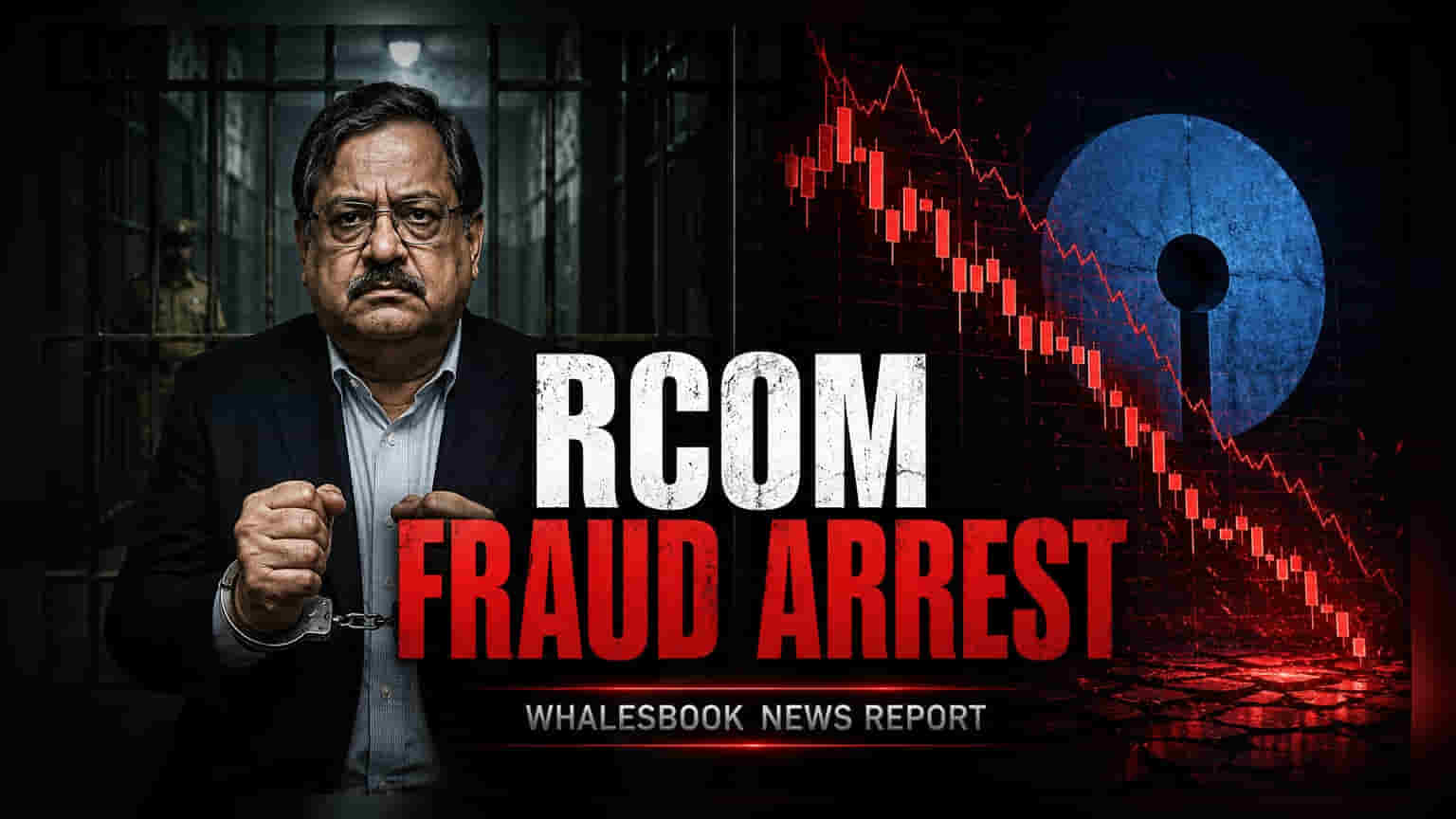


The Escalation of the RCom Investigation
The formal arrest of Amitabh Jhunjhunwala marks a significant escalation in the ongoing legal scrutiny surrounding Reliance Communications (RCom) and the broader Reliance ADA Group. Following his transfer from Tihar Jail, where he had been held in connection with a separate money laundering probe, Jhunjhunwala was produced before a Mumbai special court on June 1, 2026. The move follows the filing of an initial chargesheet on May 29, 2026, which implicated 16 entities and individuals, including senior executives and officials from State Bank of India, Bank of Maharashtra, and the erstwhile Syndicate Bank.
The Anatomy of the Fraud Allegations
The central accusation involves the systematic misuse and diversion of credit facilities, including term loans and Letters of Credit. Investigating agencies allege that Jhunjhunwala, while serving as Group Managing Director, held operational control over corporate finance, banking relations, and the allocation of funds. Evidence suggests that loan disbursements were diverted from their stated purposes—which were ostensibly for business expansion—into circular transactions or other group entities. The State Bank of India has identified a specific loss of ₹2,929.05 crore tied to these irregularities, while the total exposure of a 17-bank consortium to the company is estimated to exceed ₹19,694 crore.
Structural Weaknesses and Regulatory Oversight
Unlike more resilient peers that maintained robust liquidity buffers, RCom’s reliance on aggressive debt-funded growth left it highly vulnerable to market shifts. The current forensic-led investigation has exposed a pattern of fund diversion to "Potentially Indirectly Linked Entities," a strategy that significantly complicated asset recovery efforts. While the company has been under a corporate insolvency resolution process since 2019, the forensic audits initiated by creditors have consistently revealed significant discrepancies in financial reporting and fund utilization. The involvement of the Supreme Court in monitoring these cases highlights the perceived severity of the financial misconduct and the institutional pressure to hold leadership accountable.
The Future Outlook
As the CBI prepares to petition for further police custody, the legal process remains in a state of high tension. With chargesheets already filed and supplementary probes into other group companies like Reliance Home Finance and Reliance Commercial Finance continuing, the risk of further arrests remains elevated. Institutional investors and stakeholders remain wary as the judicial system attempts to untangle years of complex, cross-entity financial arrangements. The focus remains on whether the current investigations will successfully track the ultimate destination of the diverted funds or if the company’s insolvency proceedings will result in a prolonged, low-recovery outcome for the consortium of banks.