 Whalesbook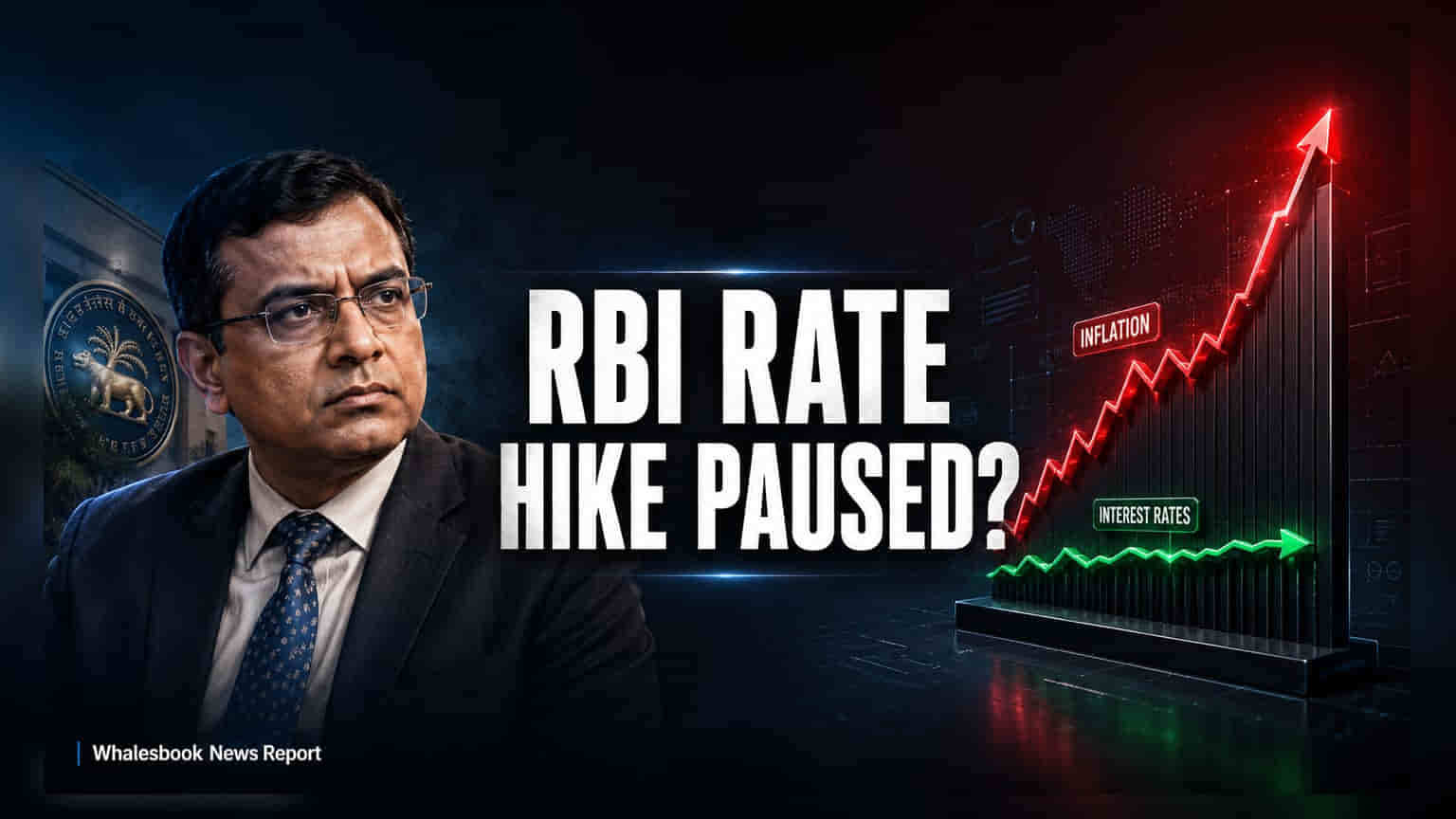


RBI Set to Maintain Interest Rates
Samiran Chakraborty, Chief Economist at Citi India, believes the Reserve Bank of India will likely hold its current interest rates steady at the upcoming June policy meeting. This forecast comes even as inflationary pressures rise from higher oil prices and challenging weather conditions. Chakraborty noted that stable market liquidity and headline inflation remaining below the 4% target give the central bank room to tolerate temporary price increases.
Core Inflation and Fiscal Worries Cloud Outlook
Despite headline inflation staying within bounds, underlying price pressures remain a concern. Chakraborty highlighted that core inflation, which excludes food and energy, has stayed above 4.5%. A notable 1.1% rise in core inflation in April requires careful observation, as these trends can influence broader inflation later. Potential fiscal shortfalls are also seen as a factor that could complicate the RBI's policy decisions. Additionally, rising global bond yields and the need for the RBI to potentially support the Indian rupee against external pressures add complexity to the bond market.
Growth Forecast Slashed Amid Global Headwinds
Citi India has reduced its economic growth forecast for Fiscal Year 2027 to 6.6%, down from the earlier projection of 7.1%. This downgrade reflects the impact of geopolitical tensions in West Asia, potential fuel price hikes, and disruptions to global trade. The current account deficit is now projected at 2% of GDP, leading to an estimated balance of payments deficit of around $50 billion for FY27. Many emerging markets are facing similar downward revisions to growth outlooks due to these global factors.
Rupee Stability Versus Rate Hikes
The Indian rupee's depreciation is a major concern, intensifying existing balance of payments pressures. While measures to boost capital inflows are being discussed, the current high global interest rate environment poses a challenge. Swap market pricing suggests a higher expectation of interest rate hikes than bond yields indicate, pointing to significant market uncertainty. If the rupee continues to weaken without strong capital inflows, the RBI might prioritize currency stability over holding rates steady, which could slow down domestic economic activity.