

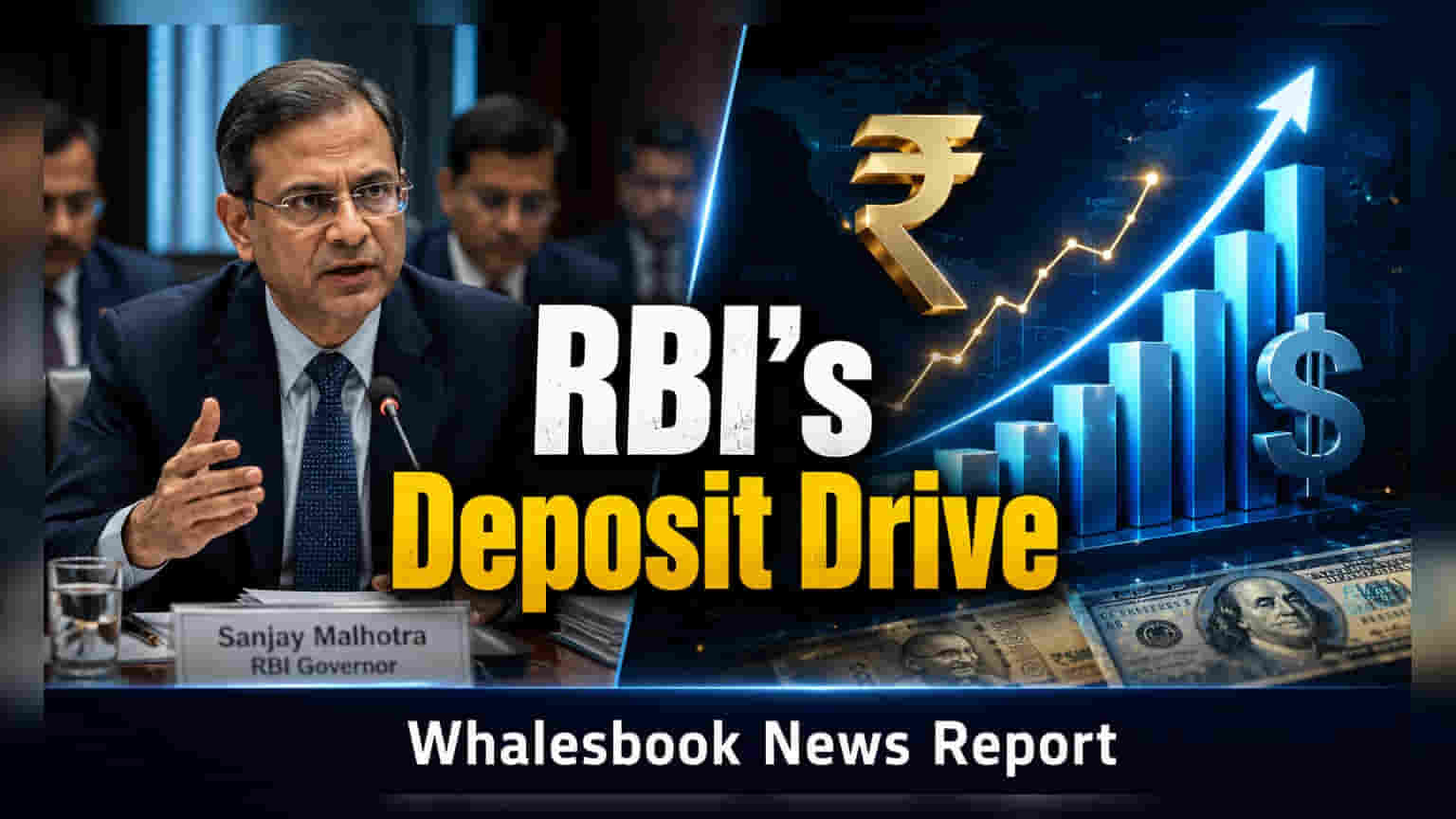
RBI Governor Sanjay Malhotra met with bank leaders to accelerate foreign currency deposits. The central bank will cover hedging costs of up to 300 basis points, allowing banks to offer dollar deposit rates as high as 7.1%. This measure aims to bolster India’s foreign exchange reserves amidst rising global interest rates.
Reserve Bank of India (RBI) Governor Sanjay Malhotra held a strategic meeting with the top management of public and private sector banks on Tuesday to boost inflows into Foreign Currency Non-Resident (FCNR) accounts. These specialized deposit schemes allow Non-Resident Indians to hold deposits in foreign currencies, and the current window remains open until September 2026.
Hedging Costs and Deposit Rates
To attract more foreign capital and strengthen India's foreign exchange reserves, the RBI has implemented a supportive measure regarding hedging costs. The central bank will absorb these costs, which are estimated to be between 280 and 300 basis points annually. By removing this expense for lenders, the RBI has enabled banks to significantly improve the interest rates offered to depositors. Current rates on dollar-denominated deposits have risen to a range of 5.5% to 7.1%, compared to previous levels of 2% to 4%.
Major lenders, including State Bank of India, HDFC Bank, and Bank of Baroda, have been proactive in adjusting their deposit offerings in alignment with these concessional swap facilities. This initiative is particularly relevant in the current economic climate, where higher global interest rates have increased competition for capital. According to reports from lenders, there is robust demand for these schemes, specifically from NRIs residing in major financial centers such as Singapore, Hong Kong, the United Kingdom, the United States, and West Asia.
Banking Infrastructure and Technology
Beyond deposit mobilization, the meeting covered broader operational priorities for the banking sector. Governor Malhotra encouraged banks to integrate artificial intelligence to improve operational efficiency and customer service. The discussion also highlighted the importance of strengthening cybersecurity frameworks and internal controls as banks expand their digital footprints.
Several digital initiatives were on the agenda to improve financial accessibility and transparency, including the use of the Unified Lending Interface, the Account Aggregator framework, and the Central Bank Digital Currency. The Governor also focused on security measures such as the early detection of counterfeit currency notes and the adoption of the MuleHunter system to identify suspicious accounts. While the banking sector has shown broad-based growth, the central bank emphasized the need for banks to maintain prudent lending practices across all segments of the economy. The next key update for investors will be the official disclosure of deposit inflow figures for the current quarter, which will indicate how successful these incentives have been in attracting foreign capital.