

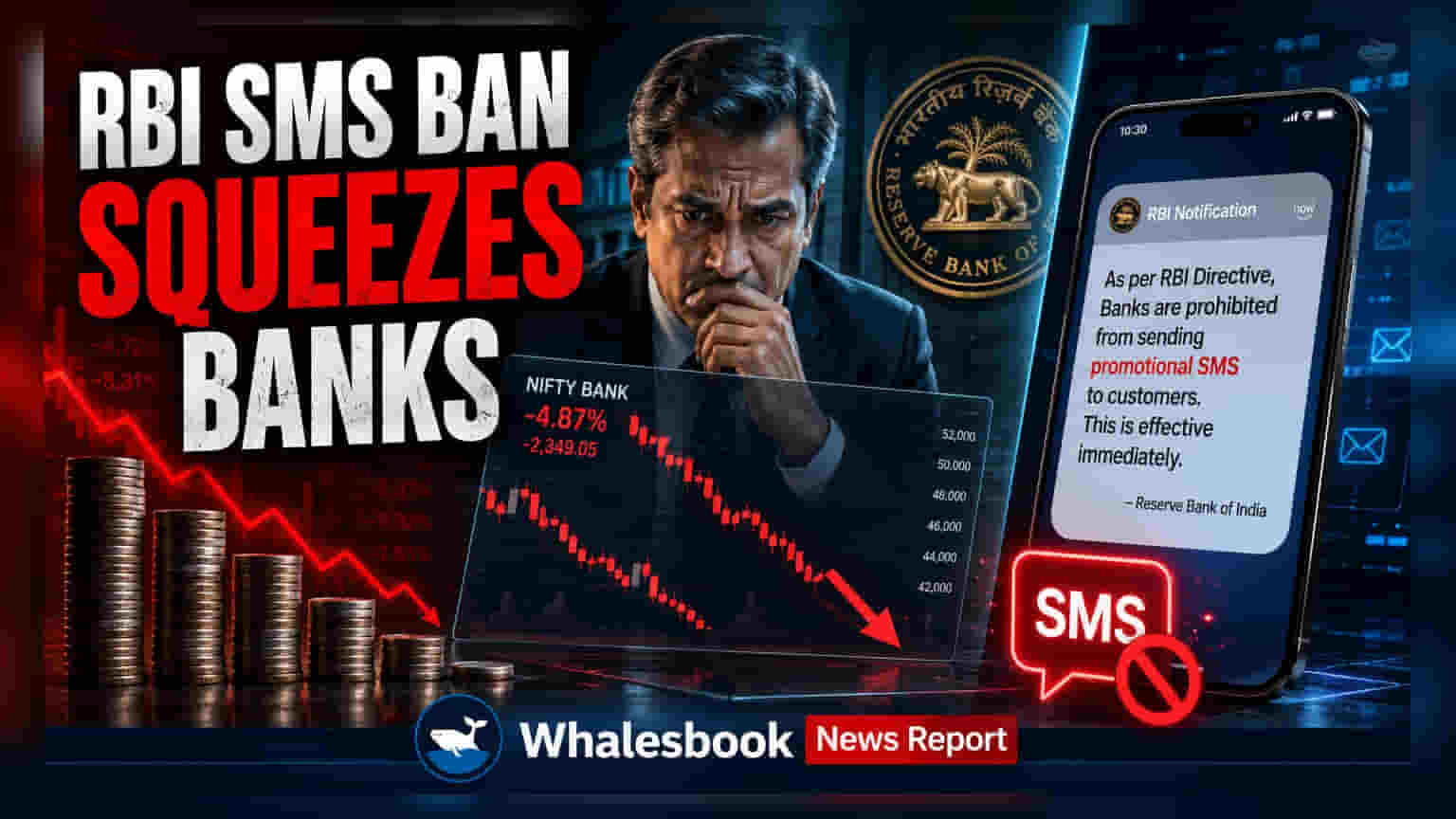
The Reserve Bank of India has banned banks from charging customers for mandatory SMS alerts, impacting annual fee income by approximately ₹300 crore. Banks may now look to absorb these costs or shift to digital channels like push notifications to manage expenses.
The Reserve Bank of India has introduced a new directive prohibiting banks from levying fees on customers for specific SMS alerts, including those related to compliance, financial awareness, and promotional updates. This regulatory change is expected to reduce the annual fee income of the banking sector by nearly ₹300 crore. Previously, many lenders recovered these costs by charging customers between ₹15 and ₹18 per quarter.
Impact on Bank Revenue and Operations
While the direct loss of fee income is notable, the regulation also provides a degree of relief by making SMS alerts optional for transactions below ₹500. These micro-transactions account for a large volume of daily retail activity. Large private lenders, including HDFC Bank, ICICI Bank, Axis Bank, and Kotak Mahindra Bank, are currently evaluating how to manage these costs. Some banks may choose to absorb the expense as part of their broader customer service commitment, while others might bundle these costs into existing account maintenance fees or minimum balance requirements to avoid itemizing them as a separate charge.
Transition to Digital Alternatives
The banking industry is increasingly looking toward more cost-effective communication methods to replace traditional SMS alerts. Technologies such as mobile app push notifications, emails, WhatsApp messages, and Google RCS are becoming primary alternatives. By migrating customer communications to these digital platforms, banks aim to maintain essential security and fraud prevention notifications without the recurring expense of SMS-based traffic. This transition could potentially lead to a decline of up to 20% in commercial SMS traffic, affecting revenue streams for telecom operators who previously relied on these high-volume regulatory alerts.
Investor Monitorables
For investors, the key focus will be how banks balance cost management with the need to maintain a high quality of customer experience and fraud protection. While the immediate hit to fee-based income is clear, the long-term impact on profitability will depend on how efficiently banks adopt alternative communication channels. Investors should track management commentary in upcoming quarterly results regarding changes to fee structures and operating expenses related to customer communication. The ability of banks to successfully migrate customers to mobile apps and digital notifications without compromising on security will be a critical factor in mitigating the pressure on operating margins.