

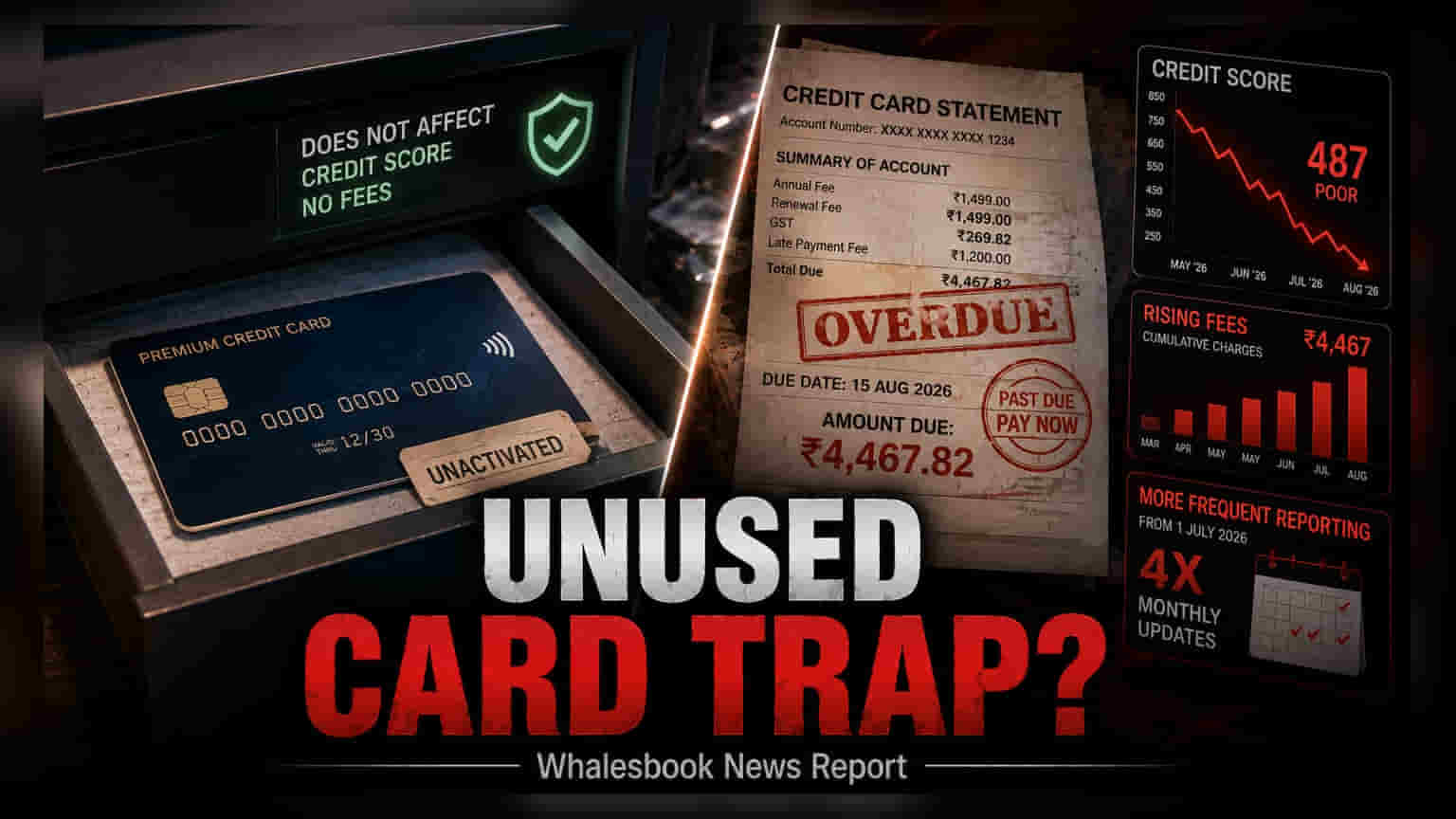
Under RBI guidelines, card issuers must obtain explicit consent before activating any credit card. However, cards that are activated but left unused can still incur annual fees and affect your credit score. With the new mandate requiring credit bureaus to update records four times a month, understanding how these accounts impact your credit utilization ratio is essential.
Managing credit cards in an era of digital banking requires clear knowledge of how unused accounts affect your finances. A common mistake many cardholders make is assuming that an unused card is dormant and carries no risk. However, the impact of these cards on your credit score and bank balance depends heavily on whether the card was ever activated.
The RBI Consent and Activation Rule
The Reserve Bank of India (RBI) mandates that credit card issuers must obtain explicit consent from a customer before activating a credit card. If you received a card but never provided this consent, the issuer cannot activate it. If a card remains unactivated for a prolonged period without your consent, the issuer is required to close the account without charging any fees. If you have a card you did not ask for, you are not liable for any costs associated with it, provided you did not complete the activation process.
Activated But Unused: The Fee Risk
The situation changes completely if you have already activated the card. Once a card is activated, it is considered an open credit facility, regardless of whether you use it for purchases. Many cardholders fail to realize that annual fees, renewal charges, or even certain insurance premiums can be billed to an activated account automatically.
If you leave an activated card in a drawer for a year, you may accumulate unpaid fees. Because these are legitimate charges under your card agreement, failing to pay them will show up as overdue on your credit report. This can lead to late payment penalties and a significant drop in your credit score, even if you never made a single transaction with the card.
Credit Score and Reporting Updates
Many people close unused cards to clean up their finances, but this can sometimes backfire. Your credit score is calculated based on factors including the age of your credit history and your Credit Utilization Ratio (CUR). The CUR is the percentage of your total available credit limit that you have actually borrowed. If you close an old, unused card, you lose that portion of your total credit limit. This shrinkage causes your overall credit utilization to rise, which can lower your credit score.
Additionally, as of July 1, 2026, credit card issuers are required to report account status and credit activity to credit bureaus four times a month. This means any unpaid fee or late payment reflects on your credit profile much faster than it did in the past. Conversely, if you pay off a bill, that positive status update also reaches the credit bureaus more quickly.
How to Properly Close an Account
Simply cutting up a physical credit card does not close the account; the bank’s system still considers the account active and open for billing. To stop the accumulation of fees, you must follow the formal closure process.
Under RBI guidelines, once you submit a formal closure request and clear all outstanding dues, the issuer must close the credit card account within seven working days. After requesting closure, it is wise to confirm with the issuer in writing or through official email correspondence. Checking your credit report 30 to 45 days after the request ensures the account is correctly marked as 'Closed' and not 'Active' in the bank's reporting to the credit bureaus.