 Whalesbook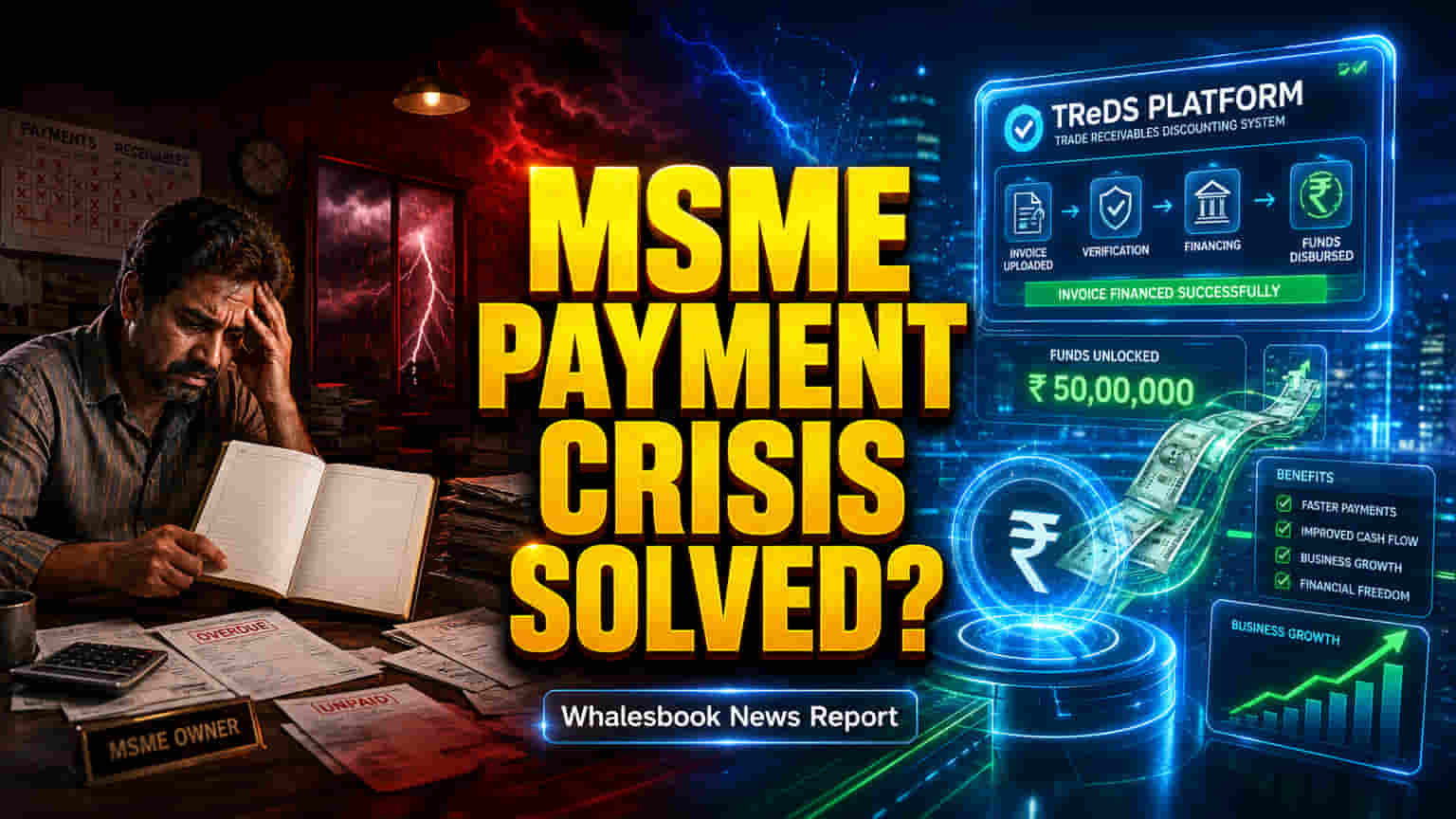


RBI Plans Major TReDS Overhaul for MSMEs
The Reserve Bank of India (RBI) has unveiled draft directions to revamp the Trade Receivables Discounting System (TReDS). This decade-old platform, used for invoice discounting, is set for an overhaul aimed at streamlining operations and significantly improving access to finance for India's vital MSME sector.
Key Reforms Aim to Simplify Onboarding, Reduce Risk
Key proposals include making onboarding for micro, small, and medium enterprises (MSMEs) much simpler. Lenders like banks and shadow banks will benefit from a new guarantee cover for their exposures on the platform. This risk mitigation aims to attract more financiers and boost liquidity. The entry barrier for new platform operators is also lowered, requiring a minimum net worth of ₹25 crore, down from ₹100 crore paid-up capital. Crucially, TReDS platforms must now file the assignment of receivables with the Central Registry of Securitisation Asset Reconstruction and Security Interest of India (CERSAI) to enhance transparency and prevent fraud.
Tackling India's ₹8.1 Trillion MSME Payment Gap
MSMEs are vital to India's economy, contributing substantially to manufacturing, exports, and GDP. However, an estimated ₹8.1 trillion remains stuck in delayed payments, creating significant working capital shortages. This forces MSMEs to often avoid legal action against buyers for fear of damaging business relationships and losing future orders.
Guarantee Cover to Bolster MSME Financing and Supply Chains
Ketan Gaikwad, MD and CEO of Receivables Exchange of India, noted that the buyer-risk model remains, ensuring credit discipline. The Union Budget for FY27 has also lowered the turnover threshold for buyers to ₹250 crore, broadening the platform's reach. The Credit Guarantee Fund Trust for Micro and Small Enterprises (CGTMSE) for TReDS exposures will empower financiers to support even lower-rated corporates. Sundeep Mohindru, founder of M1xchange, highlighted TReDS' historically low default rates (0.3%), attributing this to the buyer-centric risk. This guarantee is expected to improve lenders' capital efficiency and potentially extend financing deeper into supply chains, supporting smaller vendors.
Vital Support for MSME Exporters Amidst Trade Volatility
For MSME exporters, timely payments are crucial amidst fluctuating global trade conditions. Pushkar Mukewar, CEO of Drip Capital, pointed out that those with access to fast, flexible trade finance continue to thrive, while others struggle with traditional banking delays. He emphasized the urgent need for capital access to act on time-sensitive shipment demands.
Legal Classification Creates Friction for Some Financiers
Shachindra Nath of UGRO Capital noted that while TReDS is economically a short-term credit exposure, its legal classification as factoring due to receivables assignment creates friction for some Non-Banking Financial Companies (NBFCs). This limits the number of financiers and impacts MSME pricing.