

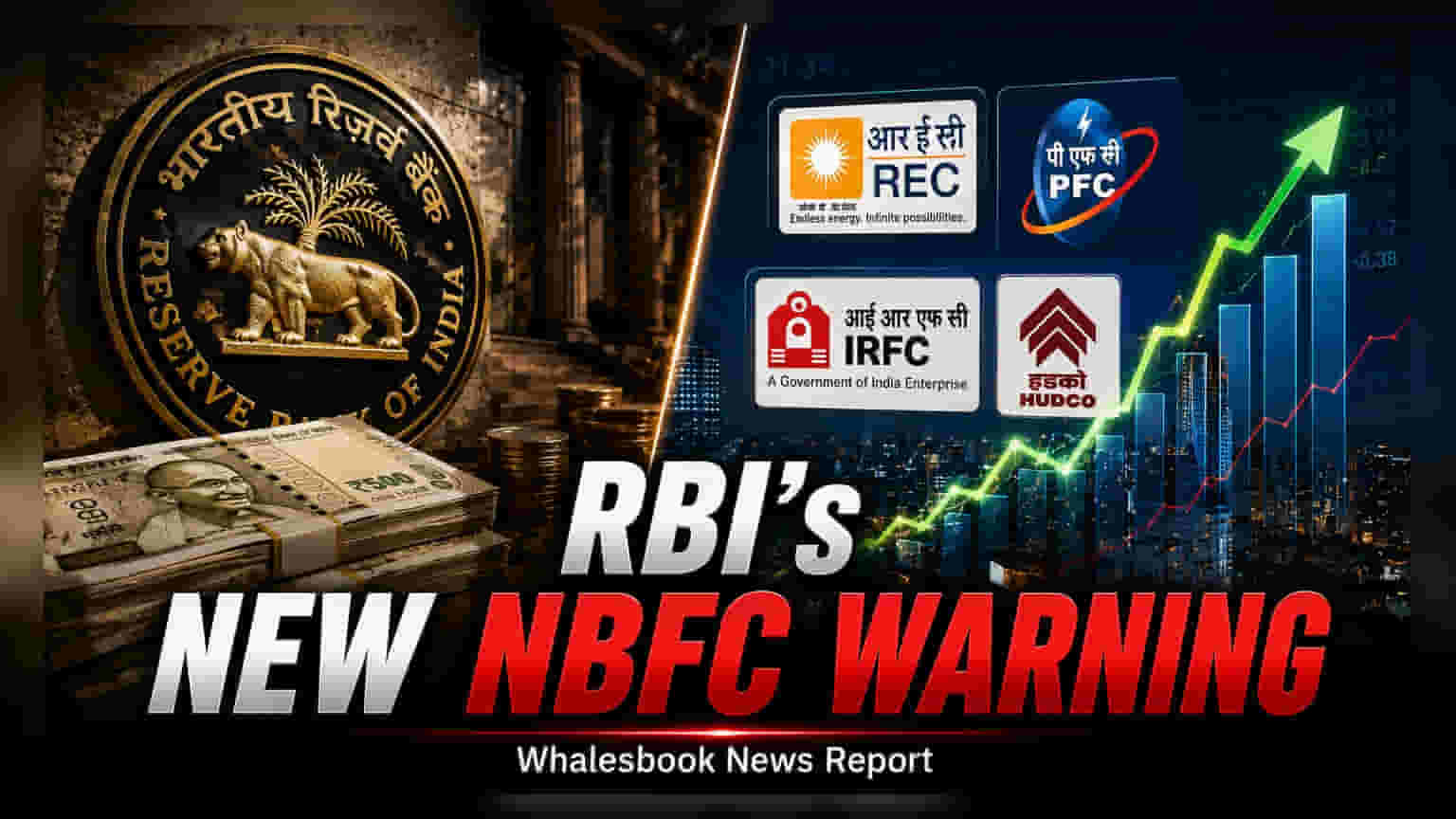
The Reserve Bank of India has updated its Upper Layer NBFC list for FY27, adding four state-owned lenders: REC, PFC, IRFC, and HUDCO. These institutions now face stricter regulatory standards, including enhanced governance and risk management norms. While PNB Housing Finance and Sammaan Capital have exited the list, they remain under regulatory oversight for five years.
The Reserve Bank of India (RBI) has updated its list of systemically important Non-Banking Financial Companies (NBFCs) for the 2026-27 financial year. The central bank has added four major state-owned financial institutions to the 'Upper Layer' category: REC Ltd, Power Finance Corporation (PFC), Indian Railway Finance Corporation (IRFC), and Housing and Urban Development Corporation (HUDCO).
The Upper Layer is the most tightly regulated segment for non-bank lenders. Inclusion in this category is based on a transparent asset-size threshold, currently set at ₹1 lakh crore. Companies in this layer are considered systemically important, meaning their size and operations could potentially impact the broader financial system if they were to face instability. As a result, these entities are subjected to bank-like regulatory norms to ensure higher safety and stability.
For the newly included state-owned lenders, this shift means more rigorous compliance requirements. These include stricter standards for capital adequacy, mandatory listing requirements within three years, and enhanced governance and risk management protocols. While these companies are already significant players in the infrastructure and housing finance sectors, the move ensures that their risk management practices align with the systemic importance of their balance sheets.
At the same time, PNB Housing Finance and Sammaan Capital have been removed from the Upper Layer list. However, under current regulatory policy, companies that transition out of the Upper Layer do not immediately exit the stricter framework. They are required to continue following these enhanced norms for a period of five years to ensure a smooth transition and maintain stable oversight.
The RBI has also decided to retain Tata Sons Pvt Ltd in the Upper Layer. This retention is ongoing while the regulator examines the holding company's pending application to surrender its NBFC registration. Tata Sons has been in this category since 2022.
For investors, this development is a reminder of the evolving regulatory environment in the Indian financial sector. While the classification does not imply a negative business outcome, the primary impact for shareholders is the potential increase in compliance costs and the need for stricter disclosures. The key monitorable for the four newly added state-owned lenders will be how quickly they adapt their operational frameworks to meet these heightened standards and whether it influences their long-term capital allocation or borrowing strategies.