

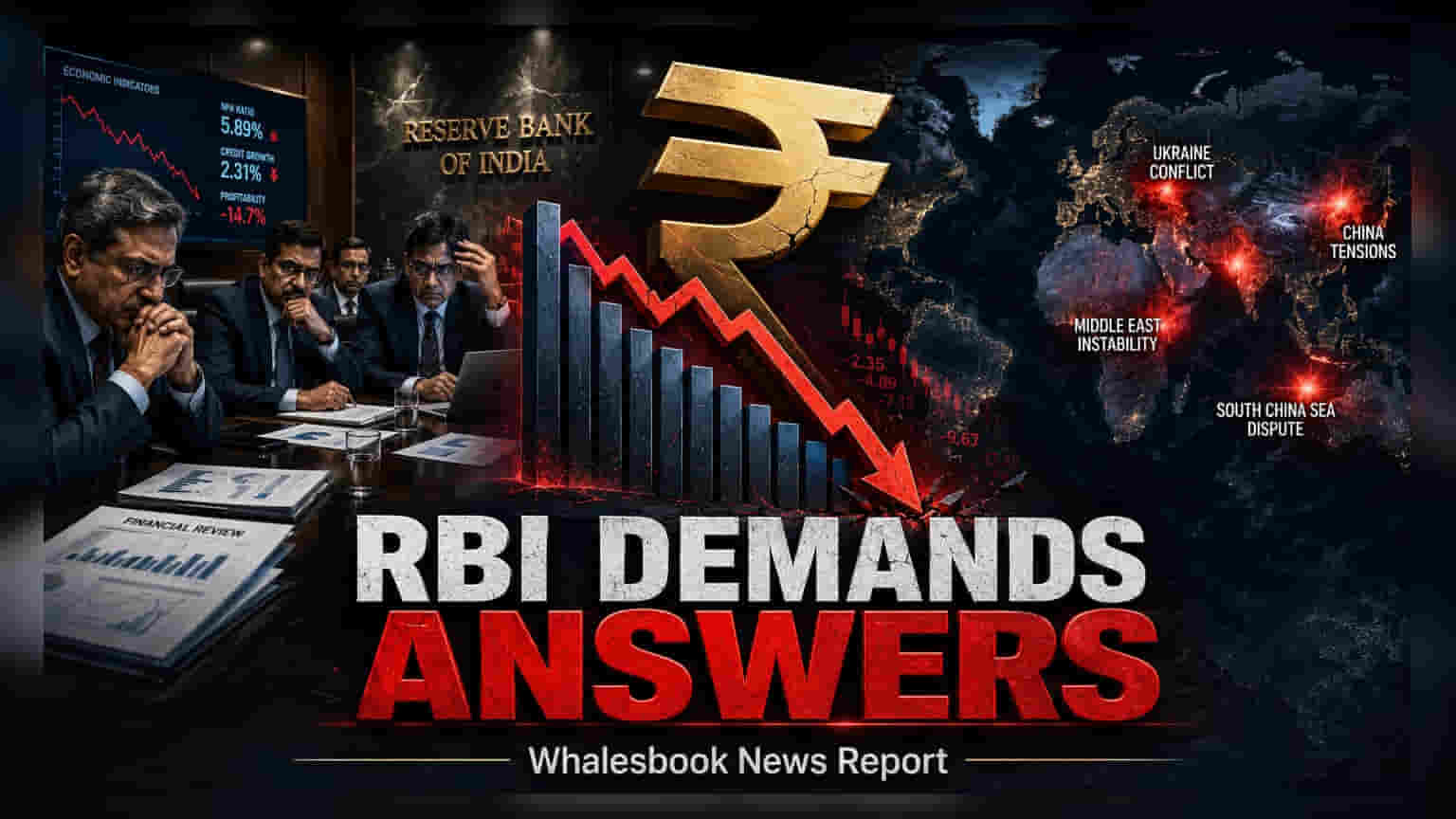
The Reserve Bank of India is meeting bank chiefs today to address the slow response to Foreign Currency Non-Resident Bank deposits. Despite expectations of massive inflows, the scheme has only attracted $5-6 billion since June. Investors are staying cautious due to global instability and return expectations that exceed what major banks are currently offering.
The Reserve Bank of India (RBI) has called a meeting with the leadership of major Indian banks today, July 14, to address the sluggish performance of the Foreign Currency Non-Resident Bank (FCNR-B) deposit scheme. While the initiative was designed to boost foreign exchange reserves and support the country's balance of payments, the results so far have been modest. Since the scheme was relaunched in June, it has managed to attract only $5-6 billion, a figure that remains well below the initial market expectations of up to $50 billion by September.
Geopolitical Impact on Investor Sentiment
A primary factor contributing to this slowdown is rising global uncertainty. Tensions between the United States and Iran have created a climate of caution in key financial hubs such as the UAE, Singapore, and Hong Kong. Historically, these regions are significant contributors to India's FCNR-B deposits. The current instability has led both large institutional investors and high-net-worth individuals to keep their capital on the sidelines, despite the tax-efficient benefits and leverage options offered by the scheme.
Pricing Mismatches and Competitive Pressures
Beyond external political risks, the banking sector is facing internal pricing hurdles. In the United States, there is a clear mismatch between what investors expect as a return and what traditional banks can offer. Although the RBI has taken steps to absorb hedging costs and allow for higher leverage, investors are still demanding returns in the range of 14-15 percent. This expectation gap makes it difficult for mainstream banks to compete effectively.
Furthermore, the competitive landscape has been affected by the aggressive interest rate strategies of smaller players. Institutions like AU Small Finance Bank and Equitas Small Finance Bank have increased their FCNR-B rates in an effort to lure deposits, yet the demand has not materialised as planned. This has created a difficult environment for mid-sized private banks, which are typically offering rates below 7 percent. Investors are now frequently comparing these lower rates with the aggressive offers from small finance banks, creating a disconnect that hinders deposit growth across the industry. Additionally, recent shifts in United Kingdom tax regulations have reduced the post-tax appeal of these deposits, further dampening interest from that market.
Implications for India's External Balance
The slow pace of these inflows carries significant weight for India's economic health. A robust inflow of foreign currency was seen as a key step toward achieving a current account surplus. With the actual numbers trailing significantly behind the $50 billion target, there is increasing concern that India may report a third consecutive year of a current account deficit. Investors and policy watchers will now look to the outcome of today's meeting to see if the RBI introduces further incentives or policy adjustments to narrow the gap between market expectations and bank offerings.