

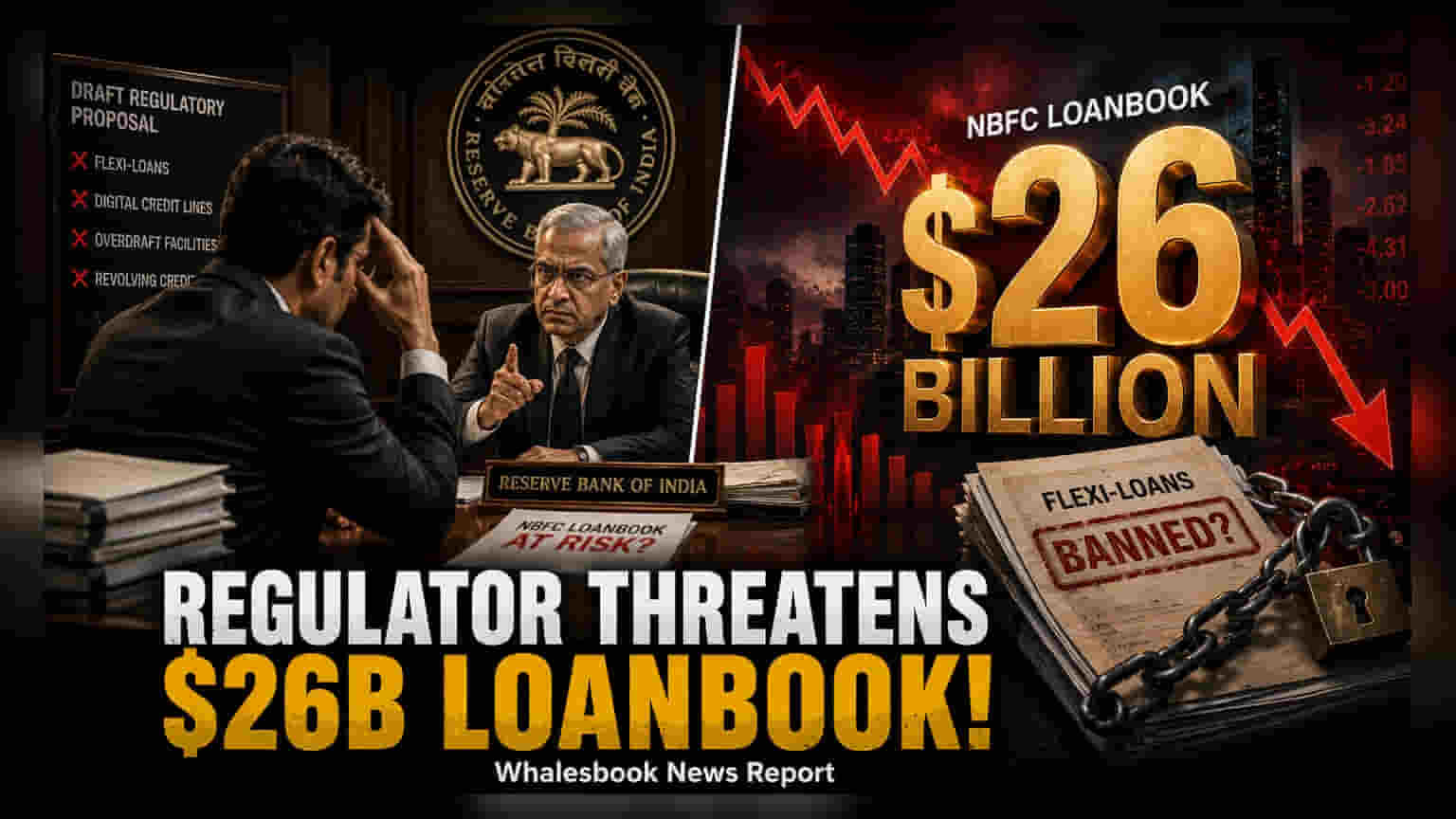
The Reserve Bank of India (RBI) has proposed new rules that could stop non-banking financial companies (NBFCs) from offering revolving credit products, known as flexi-loans. The industry is currently negotiating with the regulator, as the change could impact a $26 billion loan market vital to small businesses. The deadline for public comments on these proposals is August 28, 2026.
The Reserve Bank of India (RBI) has released a draft circular proposing significant changes to how non-banking financial companies (NBFCs) lend money. The proposal, issued on August 6, 2026, aims to restrict NBFCs to offering only term loans, effectively banning revolving credit facilities like flexi-loans, digital credit lines, and overdraft-style accounts. This development has created uncertainty for a $26 billion loanbook, as these products are widely used by small businesses and individual borrowers across India.
Flexi-loans have become a popular financial product because they act like a pre-approved credit line. Borrowers can withdraw money up to a set limit as needed, and they only pay interest on the amount they actually use, rather than the total sanctioned limit. This flexibility allows small business owners and those with irregular incomes to manage cash flow efficiently. Under the RBI's proposed definition, a term loan must have a fixed amount and a set repayment schedule, meaning the credit limit cannot be refreshed or reused once the borrower pays it back.
The regulator’s primary goal is to address potential systemic risks. The RBI is concerned that revolving credit products can sometimes lead to cycles of debt where borrowers take on new loans to pay off old ones, a practice often referred to as 'evergreening.' By pushing for term loans, the regulator aims to ensure clearer repayment schedules and better control over how credit is being used.
The Finance Industry Development Council (FIDC), which represents the shadow banking sector, has been in active discussions with the RBI regarding this draft. The industry body argues that an outright ban could severely disrupt access to credit for micro, small, and medium enterprises (MSMEs) that rely on these products for short-term liquidity. Instead of a total prohibition, the FIDC is advocating for modified regulations that would allow these products to continue under stricter oversight or different structures.
For investors, this situation highlights the regulatory risks inherent in the NBFC sector. The financial health of many lenders depends on these products, and any forced shift to traditional term loans could change how these companies calculate interest income and manage their loan portfolios. The industry is currently waiting to see if the RBI will adjust the final rules based on the feedback received. The deadline for submitting public comments on the draft is August 28, 2026. The final version of these regulations will determine whether NBFCs will need to restructure their product offerings or phase out flexi-loan models entirely.