

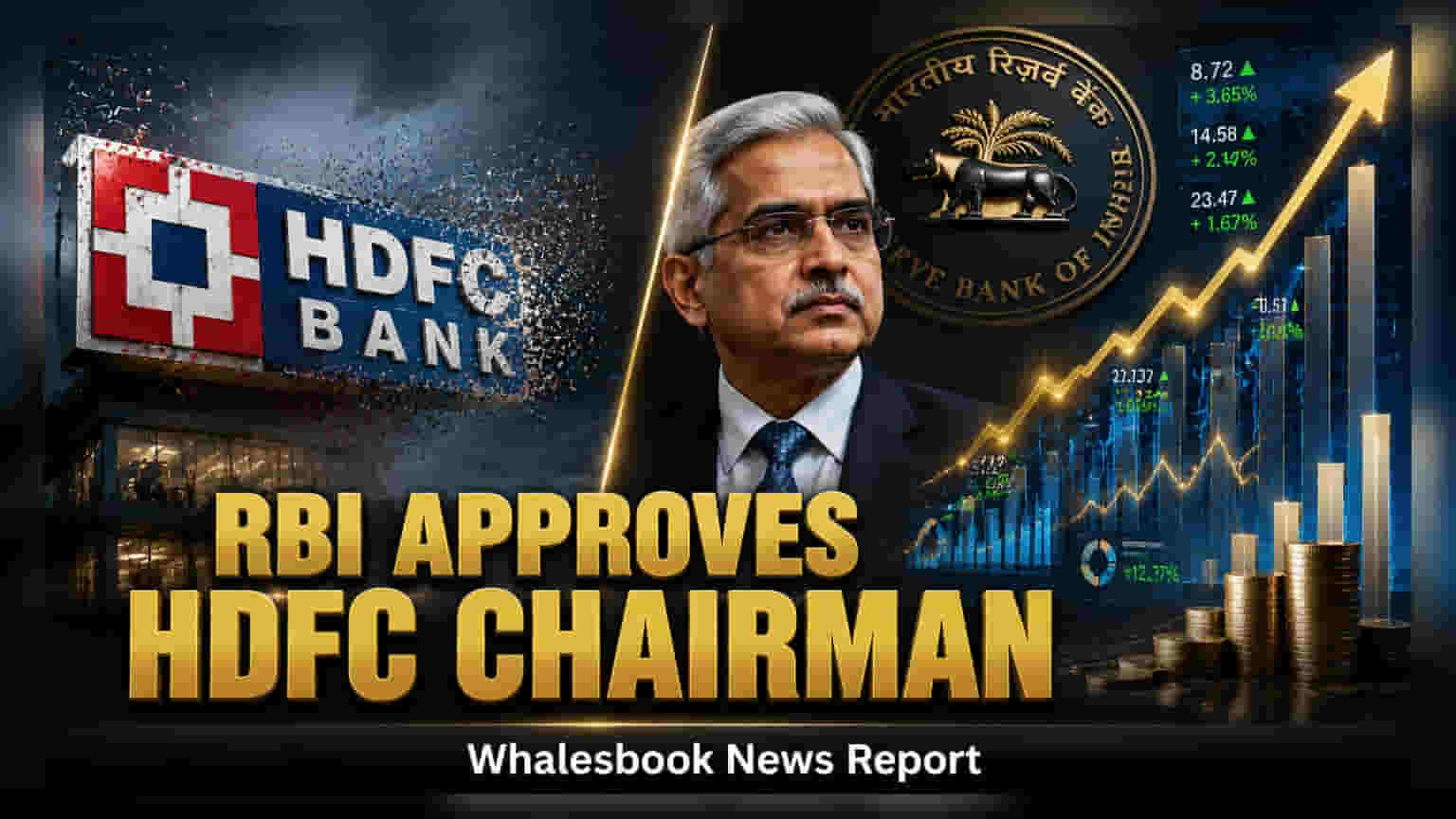
The Reserve Bank of India has approved the appointment of former Finance Secretary Rajiv Kumar as the part-time chairman of HDFC Bank for a three-year term. Kumar, known for his work in banking sector reforms, officially begins his role on July 15, 2026, succeeding interim chairman Keki Mistry.
HDFC Bank officially announced on Wednesday that the Reserve Bank of India (RBI) has approved the appointment of Rajiv Kumar as the bank’s part-time chairman. This appointment, effective July 15, 2026, marks the end of the interim leadership period. Under the regulations of the Banking Regulation Act of 1949, this approval allows Kumar to serve in this leadership position for a fixed term of three years.
Background and Regulatory Expertise
Rajiv Kumar brings extensive experience in financial regulation and governance to the country's largest private sector lender. As a former Secretary for Financial Services, a role he held between 2017 and 2020, he was a key figure in managing India’s public sector banking framework. Investors may recall his involvement in the 4R strategy, which focused on addressing high levels of non-performing assets through recognition, resolution, recapitalization, and systemic reforms. His background also includes serving as the 25th Chief Election Commissioner of India and holding seats on the RBI’s Central Board, providing him with a deep understanding of the regulatory environment governing Indian banks.
Board Transition and Continuity
With this change, Keki Mistry, who served as the interim part-time chairman, will transition from his leadership role. The bank confirmed that Mistry will continue to serve on the board as a non-executive, non-independent director, ensuring continuity in corporate governance. This transition is part of the bank’s ongoing leadership structure management.
For investors, the appointment of a seasoned bureaucrat with significant experience in financial stability and policy reform signals a focus on maintaining strong governance standards. The bank's ability to seamlessly transition from interim leadership to a permanent chairman is often viewed by the market as a positive sign of internal stability. The key monitorable for shareholders will be how the new leadership influences the bank's long-term strategy regarding digital transformation, loan book growth, and the integration of the entity following its large-scale merger with HDFC Limited. Monitoring upcoming management commentary and quarterly results will help determine how the board's new composition impacts the bank's operational priorities in the coming fiscal years.