

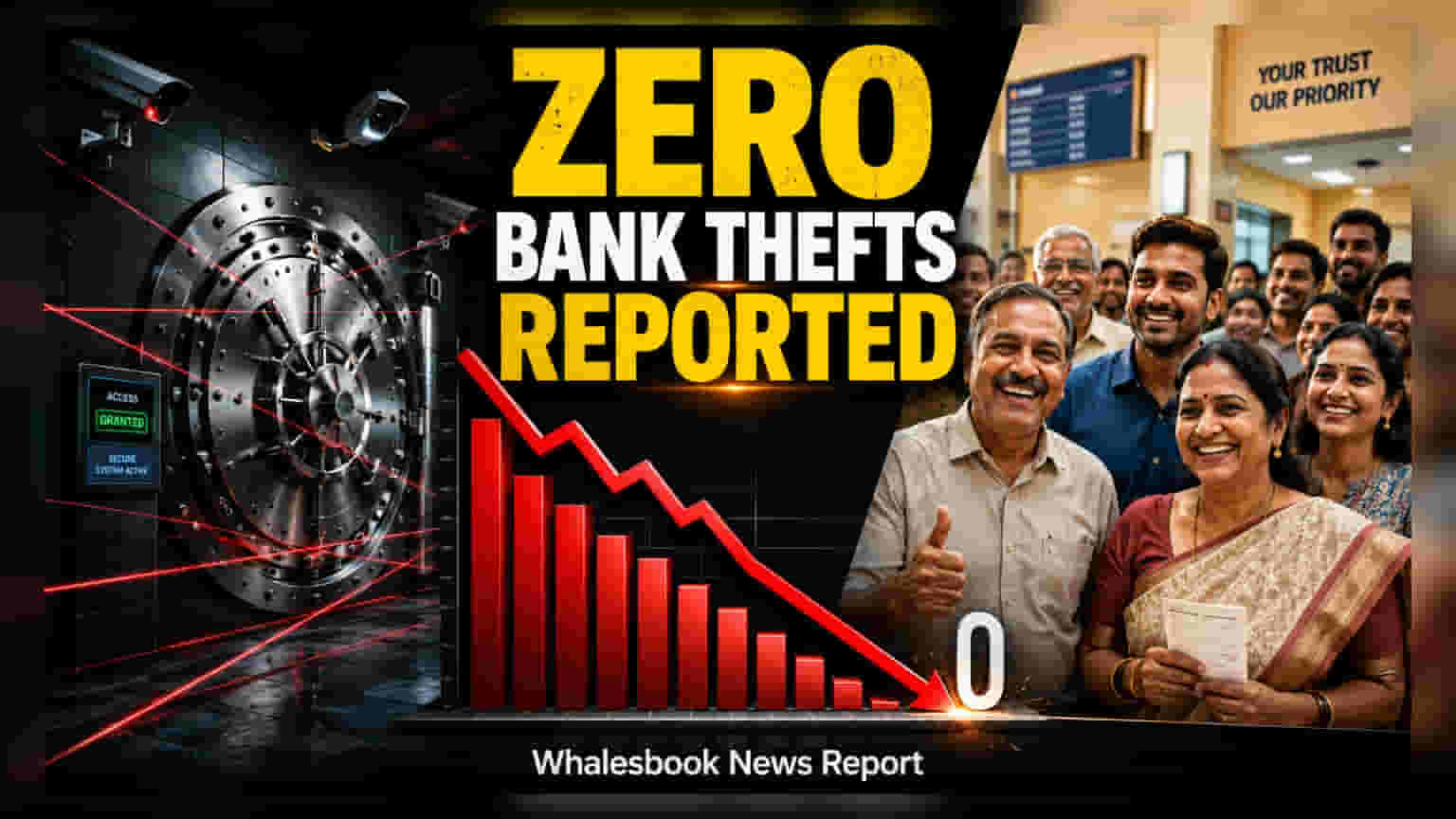
Public sector banks recorded zero locker theft incidents in fiscal year 2025-26, following a steady decline from 40 cases reported over the previous four years. This improvement follows stricter Reserve Bank of India safety mandates, including mandatory CCTV, automated customer alerts, and clearer bank liability rules for the 11 million lockers currently in operation.
Public sector banks (PSBs) have reached a security milestone, with no established locker theft cases reported for the full fiscal year 2025-26. This development marks a clear improvement in the safety of bank deposit facilities, contrasting sharply with the 40 incidents recorded across the same banks between fiscal years 2021-22 and 2024-25.
Improvement Following Stricter Safety Norms
The decline in theft reports aligns with the implementation of enhanced safety guidelines issued by the Reserve Bank of India (RBI) beginning in 2021. These regulations were introduced to tighten security after reports of 16 incidents in FY22 and 17 in FY23. As security protocols became more standardized, reported thefts dropped to three cases in FY24 and four in FY25 before reaching zero in the most recent fiscal year.
Enhanced Protection and Bank Liability
To safeguard the more than 11 million operational lockers, the RBI mandated several physical and digital security measures. Banks must now ensure CCTV surveillance covers entry and exit points to strong rooms, with footage required to be kept for at least 180 days. Additionally, branches are now required to maintain automated alert systems that notify customers via SMS and email every time a locker is accessed. This digital trail helps prevent unauthorized access and provides immediate transparency to customers.
Beyond surveillance, the regulator has clarified the financial liability of banks. Institutions are held responsible for losses resulting from negligence, including fire, theft, or incidents involving employee fraud. In such verified cases, compensation is capped at 100 times the annual locker rent. Importantly, this liability does not extend to losses caused by natural disasters like earthquakes or floods, unless a customer can prove the bank failed to maintain required building safety standards.
Regional Data and Compliance
Historical data provided to the Rajya Sabha indicated that over the five-year period leading up to FY26, certain banks and regions faced higher frequency of incidents. Bank of India and Central Bank of India recorded 14 cases each, while State Bank of India reported 10. Uttar Pradesh and Jharkhand had the highest number of reported thefts among states during that timeframe. Today, the RBI continues to conduct supervisory assessments to ensure that all branches maintain these safety standards, with non-compliance triggering formal enforcement actions. Investors and account holders can continue to monitor annual reports and RBI disclosures for updates on security compliance and any shifts in bank compensation policies as institutions balance operational costs with these mandated security investments.