

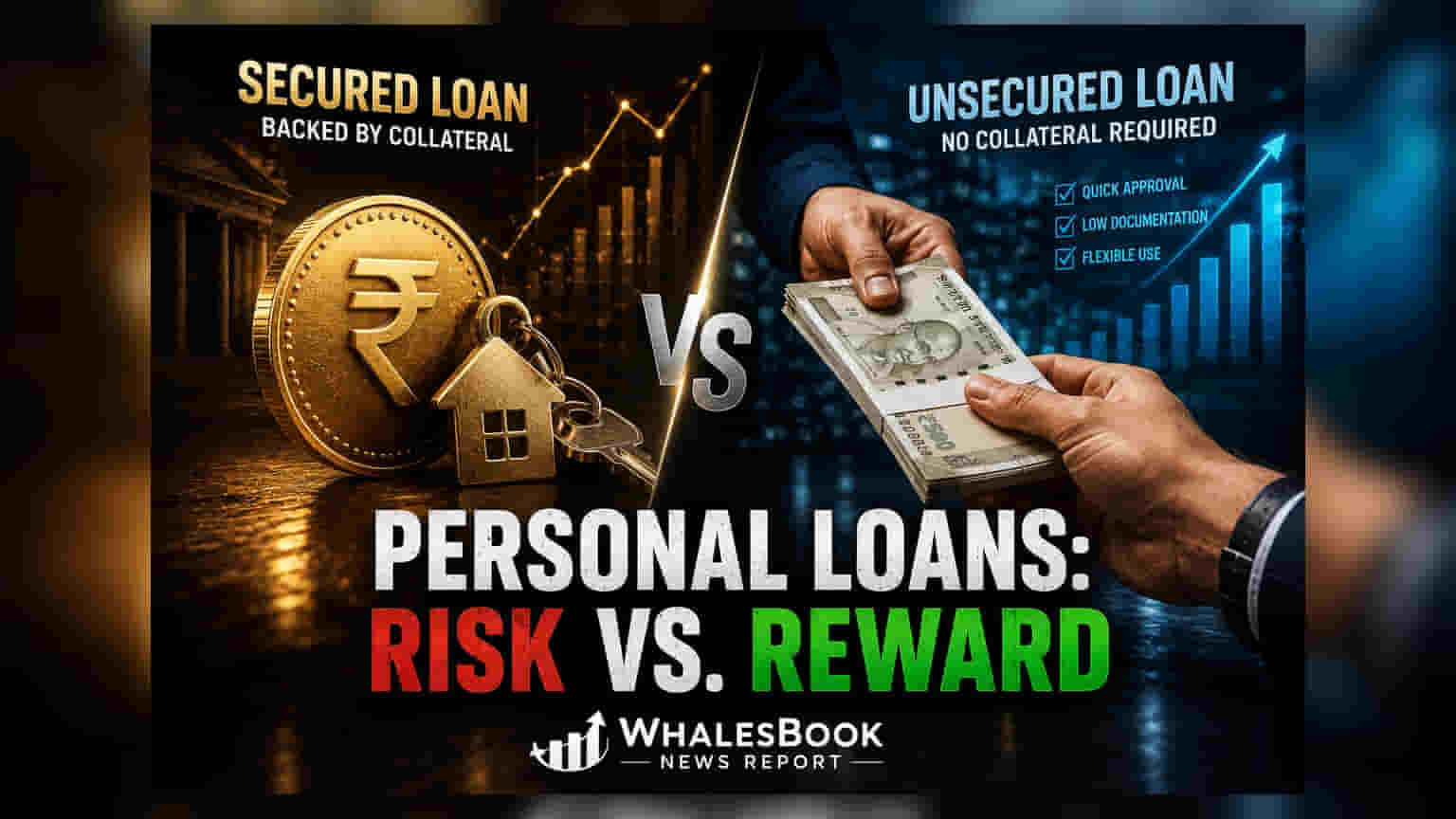
Choosing between a secured or unsecured personal loan directly impacts your interest costs and financial flexibility. While secured loans offer lower rates by pledging assets, unsecured loans provide convenience at a higher premium. Understanding your repayment capacity and total loan costs is essential before committing to any credit agreement.
When managing personal finances, selecting the right type of loan is as important as the decision to borrow itself. The choice between secured and unsecured personal loans often defines not only the interest rate you pay but also the level of risk to your personal assets.
The Trade-off of Secured Personal Loans
A secured loan involves pledging an asset—such as a fixed deposit, insurance policy, or property—as a guarantee to the lender. Because this collateral provides the lender with a safety net, they often offer these loans at a lower interest rate compared to other options. This can be a practical strategy for individuals looking to manage large borrowing requirements while keeping total interest outgo minimal. However, the most significant risk is the potential loss of the pledged asset if the borrower fails to meet the repayment schedule. Investors and borrowers should view this as a commitment where the asset is essentially locked until the debt is fully settled.
Convenience Versus Cost in Unsecured Loans
Unsecured personal loans operate on the strength of a borrower’s financial profile rather than physical collateral. This makes them highly accessible for urgent requirements, such as sudden medical expenses or essential home maintenance. The trade-off is higher interest rates. Since the lender takes on more risk by not holding an asset, they charge a premium to cover potential defaults. For the borrower, the convenience of faster processing and no asset pledge comes at a higher long-term cost.
Factors That Influence Your Loan Terms
Regardless of the loan category, a lender’s primary focus is assessing your ability to repay. Financial institutions in India typically perform a rigorous check on your credit history, current income, and existing debt commitments. A high credit score often acts as a gateway to better terms, sometimes narrowing the interest rate gap between secured and unsecured options. Beyond the headline interest rate, borrowers should carefully review additional charges. Processing fees, documentation costs, and specific clauses regarding prepayment or foreclosure penalties are often where the actual cost of the loan increases. It is a common mistake to focus solely on the monthly EMI amount without calculating the total interest paid over the entire tenure of the loan. Aligning the loan type with your specific financial goal—whether it is a short-term emergency or a structured long-term expense—remains the best way to maintain budget stability.