 Whalesbook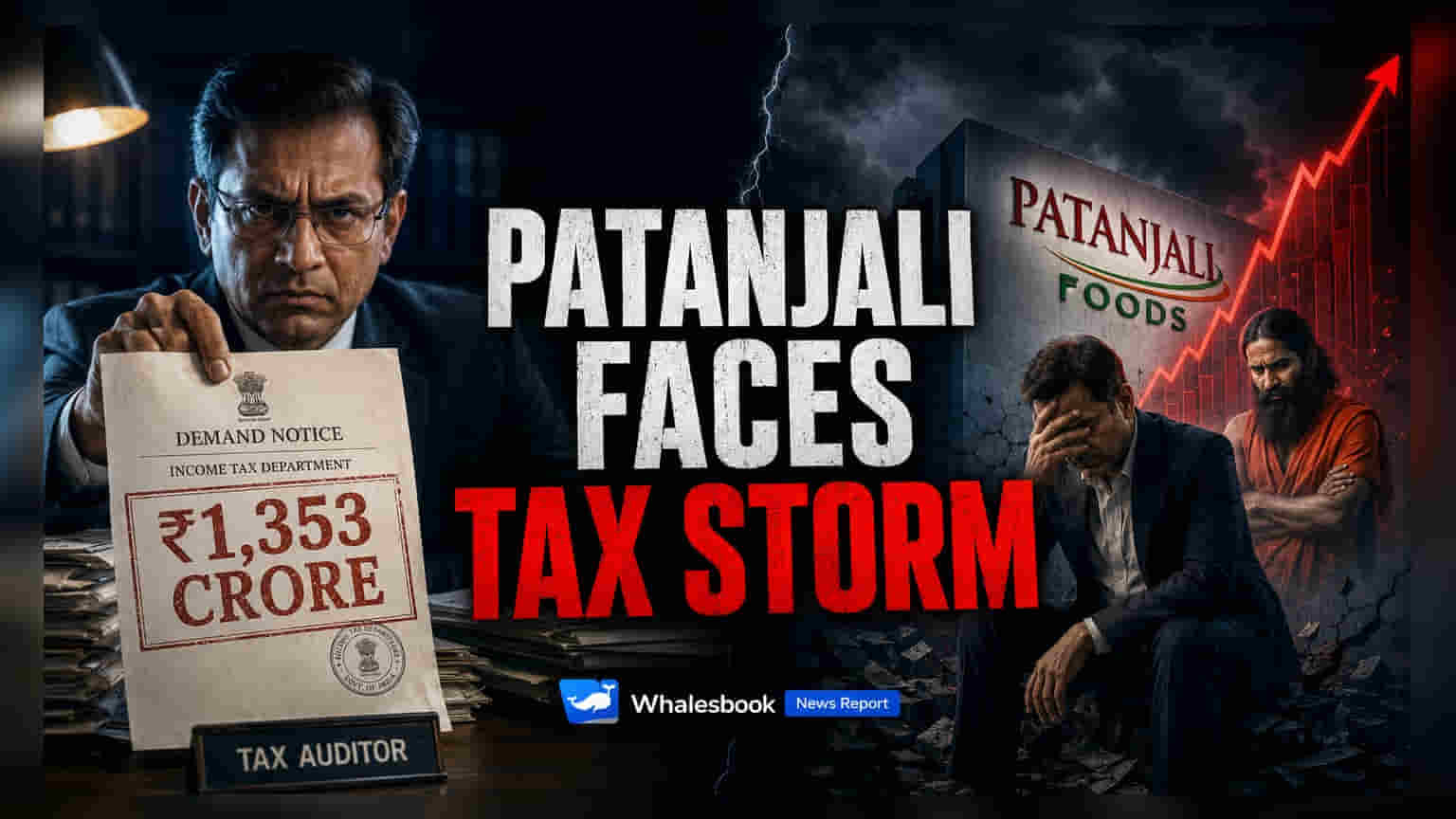


Tax Authority Alleges Discrepancies
The Goods and Services Tax (GST) demand notice, issued by Chennai's Assistant Commissioner (ST), targets fiscal year 2023. Tax authorities claim differences exist between the company's GSTR-3B filings and TDS data reported by deductors. The total demand is approximately ₹1,352.9 crore, which includes a ₹135.29 crore penalty and 18% interest on the primary tax amount. Patanjali Foods is working with tax advisors to prepare its defense, stating its records justify challenging the allegations.
History of Tax Disputes
This is not the first time the company has faced tax scrutiny. Patanjali Foods has a history of legal battles over input tax credit and alleged turnover mismatches. In the past, the company has successfully obtained stays and favorable rulings from higher courts. A significant Supreme Court decision in 2025 overturned a separate ₹1.86 billion tax demand. Investors are watching closely, as past legal wins have helped stabilize the stock against earlier tax notices.
Financial Position and Sector Pressures
While Patanjali Foods dismisses any immediate financial impact from this notice, the timing is challenging. The company has a net cash position of roughly negative ₹9.99 billion as of its latest report. Although its interest coverage ratio is strong at over 33x, the new tax demand presents a potential issue for capital allocation. The edible oil industry is also facing wider challenges. The stock's P/E multiple is around 30x, which some analysts believe does not fully account for recurring regulatory risks and the company's mid-cap status.
Market View and Stock Performance
Market sentiment for Patanjali Foods remains cautious, with the stock recently testing support near ₹450. Growth in its FMCG segment has provided some stability. However, its valuation, when compared to larger competitors like Marico and Dabur, suggests investors are applying a "risk discount." The stock is expected to trade within a range until there is more clarity from tax authorities, with investors prioritizing stability until the regulatory dispute is resolved.