

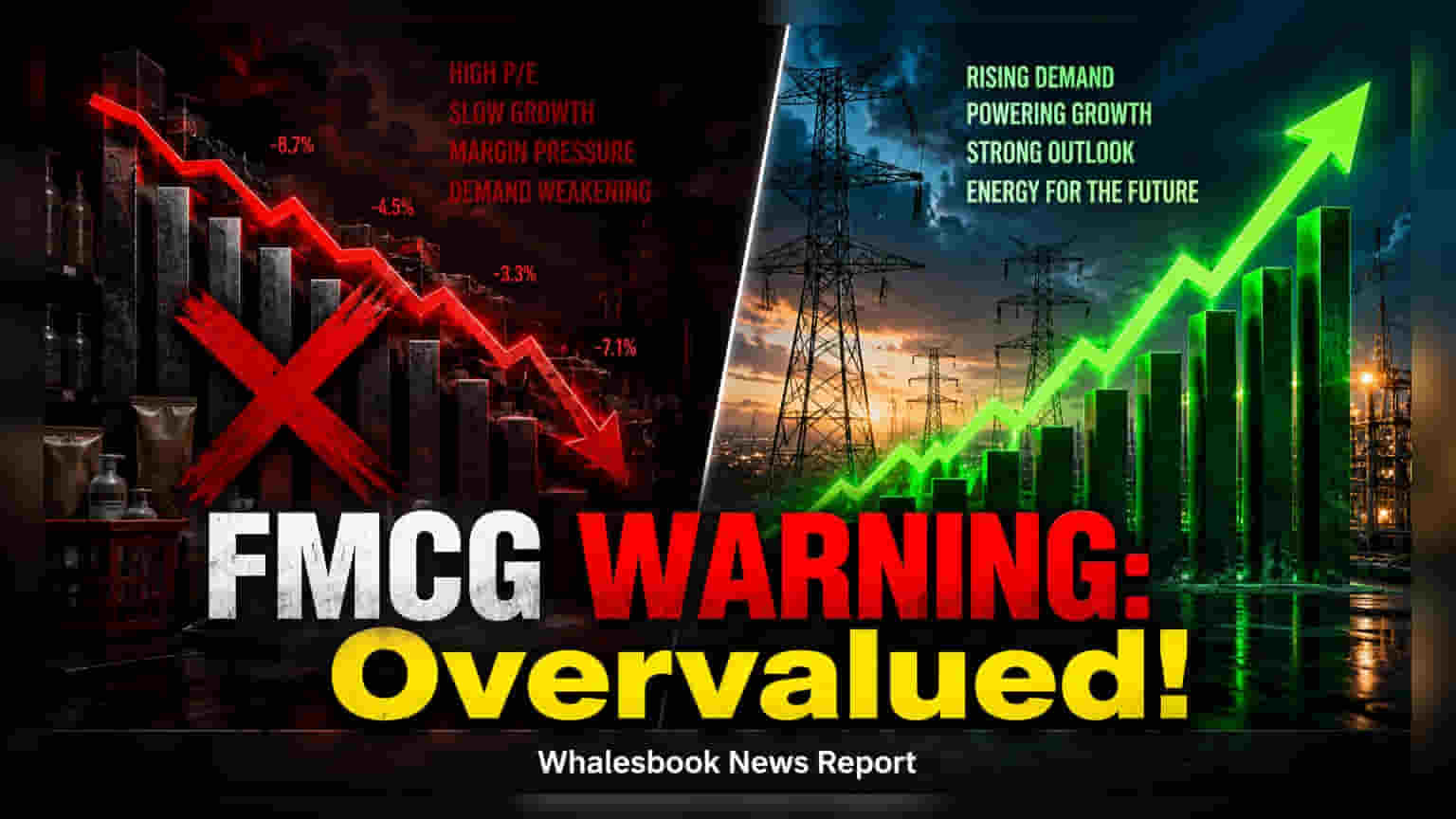
Ashwini Shami of OmniScience Capital has cautioned investors against the FMCG sector, citing high valuations that do not align with current growth projections. Instead, he favors the power and ancillary sectors, pointing to strong manufacturing and digital infrastructure demand. The outlook remains centered on steady interest rates from the RBI and U.S. Federal Reserve.
Ashwini Shami, President and Chief Portfolio Manager at OmniScience Capital, has raised concerns regarding the valuation of the Fast-Moving Consumer Goods (FMCG) sector. According to his analysis, top FMCG companies currently trade at Price-to-Earnings (P/E) multiples between 40 and 70 times, which he suggests may not be supported by the sector’s projected growth rate of 8-10%. For investors, this creates a situation where high entry prices might limit potential returns, even if the underlying businesses are stable.
Focus on Power and Infrastructure
While expressing caution toward FMCG and chemicals, Shami has shifted his focus toward the power and power ancillary sectors. This preference is driven by clear demand indicators from the manufacturing sector and significant capital investments being poured into digital infrastructure, including the rapid expansion of data centers. These assets require reliable power, which serves as a long-term growth driver for companies operating in the power ecosystem.
Earnings and Macro Outlook
Performance data from the first quarter of fiscal year 2027 shows strength in specific segments like banking, housing finance, and business services. Banks, in particular, have seen mid- to high-double-digit growth in loan advances. Despite minor pressure on net interest margins—the difference between interest earned and interest paid—bank asset quality remains solid. This indicates that while lending activity is growing, the ability of borrowers to repay their loans has not significantly deteriorated.
On the macroeconomic front, Shami expects the Reserve Bank of India and the U.S. Federal Reserve to hold interest rates steady in their upcoming meetings. The primary factors influencing this expectation are the stabilization of global energy prices and ongoing geopolitical developments in West Asia, both of which play a crucial role in shaping inflation trends. Investors monitoring these sectors should keep an eye on how these global energy dynamics eventually feed into local inflation data and central bank policy.
Sector Trends in IT and Chemicals
In the IT sector, results from the June quarter did not show a major change in the long-term outlook. While companies have successfully used cost-cutting measures to protect profit margins, revenue growth remains modest. Notably, revenue generated specifically from artificial intelligence services currently accounts for less than 10% of total revenue for major players. Meanwhile, the chemical sector faces valuation headwinds, with the Nifty Chemicals index trading at 47 times earnings. Investors in this space may continue to track whether future earnings growth can justify these premium valuations or if price corrections are likely to follow.