 Whalesbook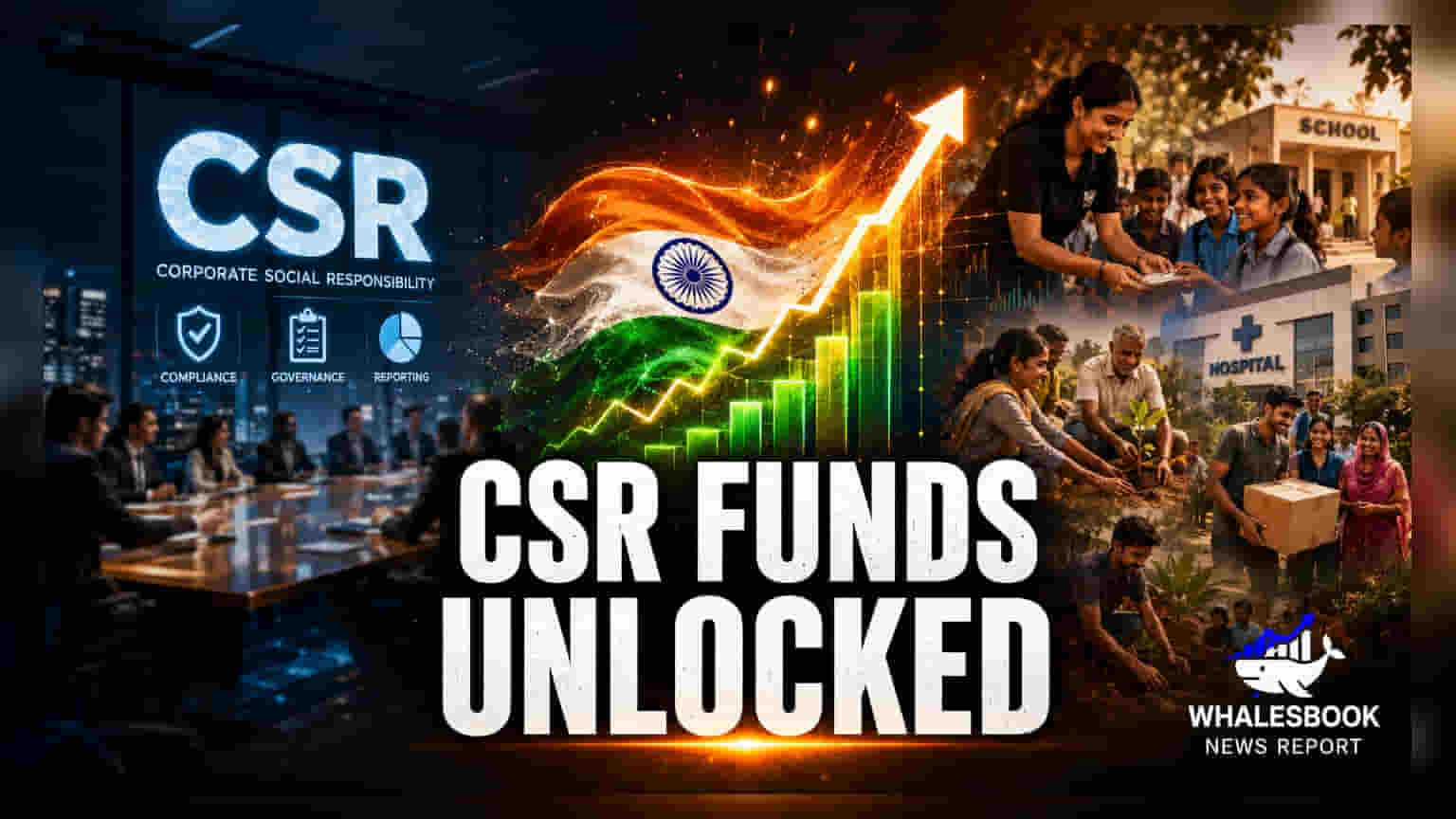


The Shift Toward Institutionalized Social Finance
The integration of Corporate Social Responsibility (CSR) mandates with the Social Stock Exchange (SSE) represents a fundamental shift in how Indian non-profits access capital. By permitting the allocation of mandatory CSR outlays into listed zero-coupon bonds, the government has essentially created a regulated pipeline for impact-focused funding. This move effectively transitions social enterprise financing from a fragmented grant-based model to a structured, transparent, and audit-ready framework.
The Operational Friction Reduction
The primary barrier to SSE adoption has historically been the administrative burden of proof. Corporate boards have remained wary of the long-term monitoring required for social projects. The new amendment shifts this responsibility. By migrating to an exchange-traded model, the burden of impact reporting is transferred from the corporate donor to the registered non-profit. This creates a standardized audit trail, mitigating risks associated with misallocated funds and providing internal compliance teams with a reliable, regulator-approved receipt for CSR obligations.
Comparing Peer Dynamics and Structural Risks
Unlike traditional market instruments, ZCZP bonds on the SSE do not provide financial returns, which presents a unique challenge for institutional allocators accustomed to yield-bearing assets. While this framework addresses the funding gap for social enterprises, it creates a potential liquidity trap for investors. Because these instruments are non-yielding, secondary market activity is unlikely to materialize, rendering them hold-to-maturity assets by default. This makes the instrument highly dependent on the initial credit and impact-verification standards of the exchange itself.
The Forensic Bear Case
Despite the optimism surrounding this regulatory change, significant structural risks remain. The efficacy of this model relies entirely on the rigor of the SSE’s impact measurement protocols. If the reporting standards lack depth, the exchange risks becoming a venue for 'impact-washing,' where companies fulfill legal mandates with minimal societal return. Furthermore, the reliance on non-profits to handle complex reporting may overwhelm smaller organizations that lack the back-office infrastructure to meet the heightened transparency requirements of a stock exchange. If institutional investors view these instruments as a 'check-the-box' exercise for legal compliance rather than meaningful engagement, the anticipated capital infusion may prove stagnant, serving only to sustain existing projects rather than scaling new, high-impact social initiatives.
Future Trajectory
Market participants anticipate a slow initial adoption as banks and large-cap entities build the internal controls necessary to manage these new asset types. The success of the SSE will depend on whether this regulatory bridge can attract a broader spectrum of corporate treasuries, moving beyond simple compliance to institutionalize social impact as a core component of sustainable financial strategy.