 Whalesbook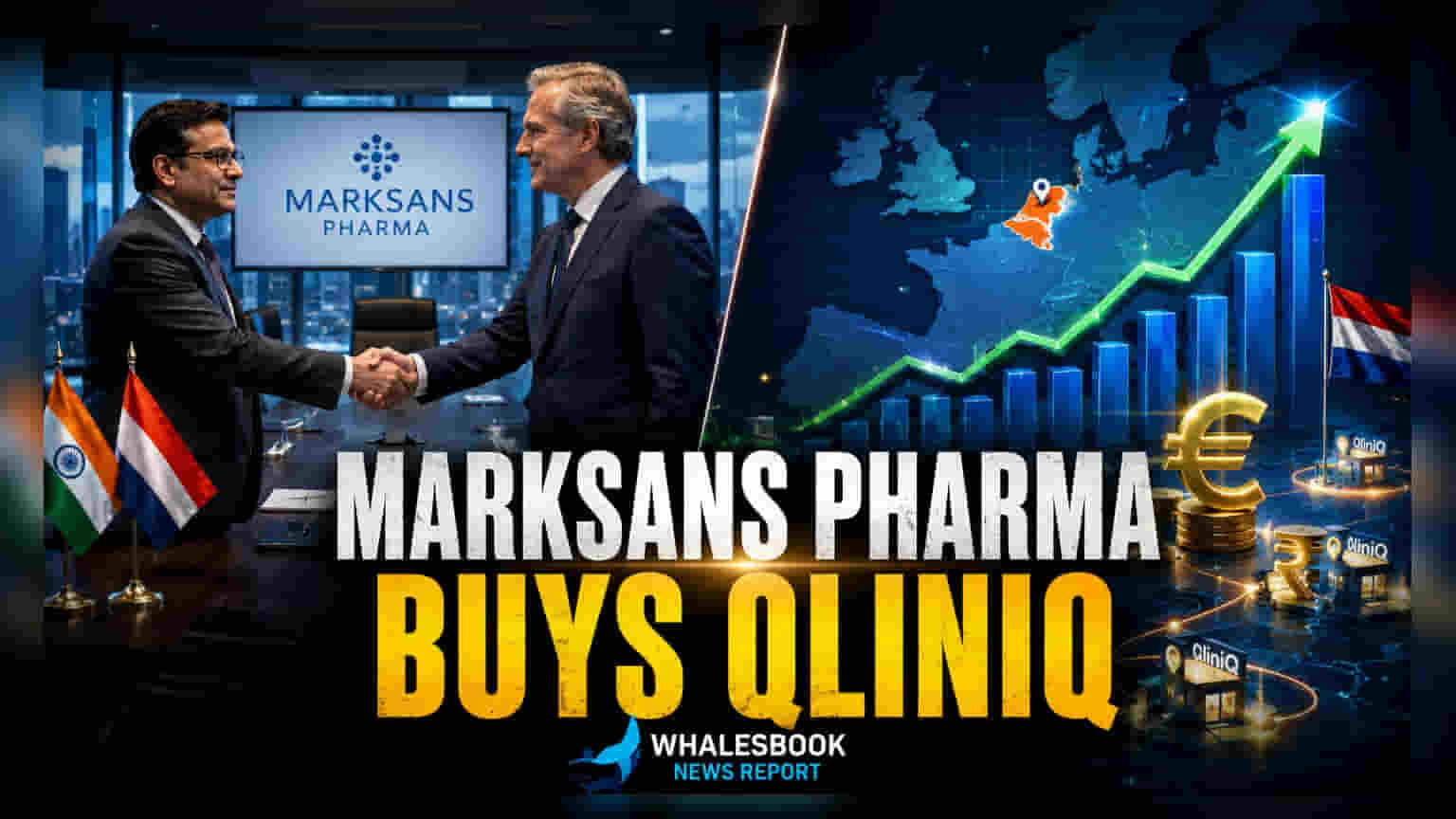


The Shift to Direct Ownership
Marksans Pharma’s acquisition of QliniQ BV for €7.5 million represents a fundamental shift in its European strategy. Rather than continuing to rely on local intermediaries to navigate the stringent EU pharmaceutical environment, the company is opting for full ownership of a local front-end operation. This move effectively integrates the supply chain, allowing the Mumbai-based manufacturer to leverage its own product pipeline—ranging from anti-diabetic formulations to dermatology and women’s health—directly into the Benelux region. The asset brings with it pre-established relationships with wholesalers, pharmacies, and tender-led hospital channels, which are historically difficult for non-EU firms to penetrate without local skin in the game.
Financial Context and Operational Efficiency
QliniQ arrives at a premium but financially disciplined valuation. With a net profit of €1.01 million on €9.35 million in revenue for 2025, the firm demonstrates a 41% CAGR over the last two years. More importantly, the company maintains a debt-free balance sheet, a rare commodity in the current acquisition climate. This acquisition is designed to be accretive to earnings within 12 to 18 months as Marksans consolidates logistics and introduces its high-volume OTC portfolio into the Dutch market. Unlike previous growth cycles that relied heavily on organic volume expansion in the UK and US, this inorganic play focuses on capturing higher margins by controlling the final delivery point to the consumer.
The Forensic Bear Case: Integration and Compliance
Despite the strategic rationale, investors should exercise caution. Pharmaceutical acquisitions of this nature carry significant execution risk, particularly regarding regulatory compliance. Marksans has faced historical scrutiny from both the UK's MHRA and the US FDA, and the integration of a new entity always risks exposing the combined firm to legacy non-compliance issues. Furthermore, the company currently trades at a valuation that implies high growth expectations, with a TTM P/E ratio hovering significantly above its historical median. If the anticipated synergies from the QliniQ integration fail to materialize within the expected 18-month window, or if regulatory hurdles in the EU delay the rollout of new product lines, the market may quickly recalibrate its premium pricing. Additionally, as an exporter, Marksans remains exposed to currency volatility and pricing pressures in the highly competitive generic sector, where margin compression is a constant threat to long-term profitability.
Future Outlook
Management’s focus for the remainder of 2026 remains on de-risking the business by diversifying away from its heavy dependence on US retailers. With new filings in the pipeline and ongoing capacity utilization at its Goa facility, the firm is banking on this Dutch foothold to stabilize its revenue mix. Analysts will be watching the upcoming quarterly filings closely to determine if the integration of QliniQ yields the projected margin expansion or if the firm’s aggressive capex strategy continues to weigh on return on equity.