 Whalesbook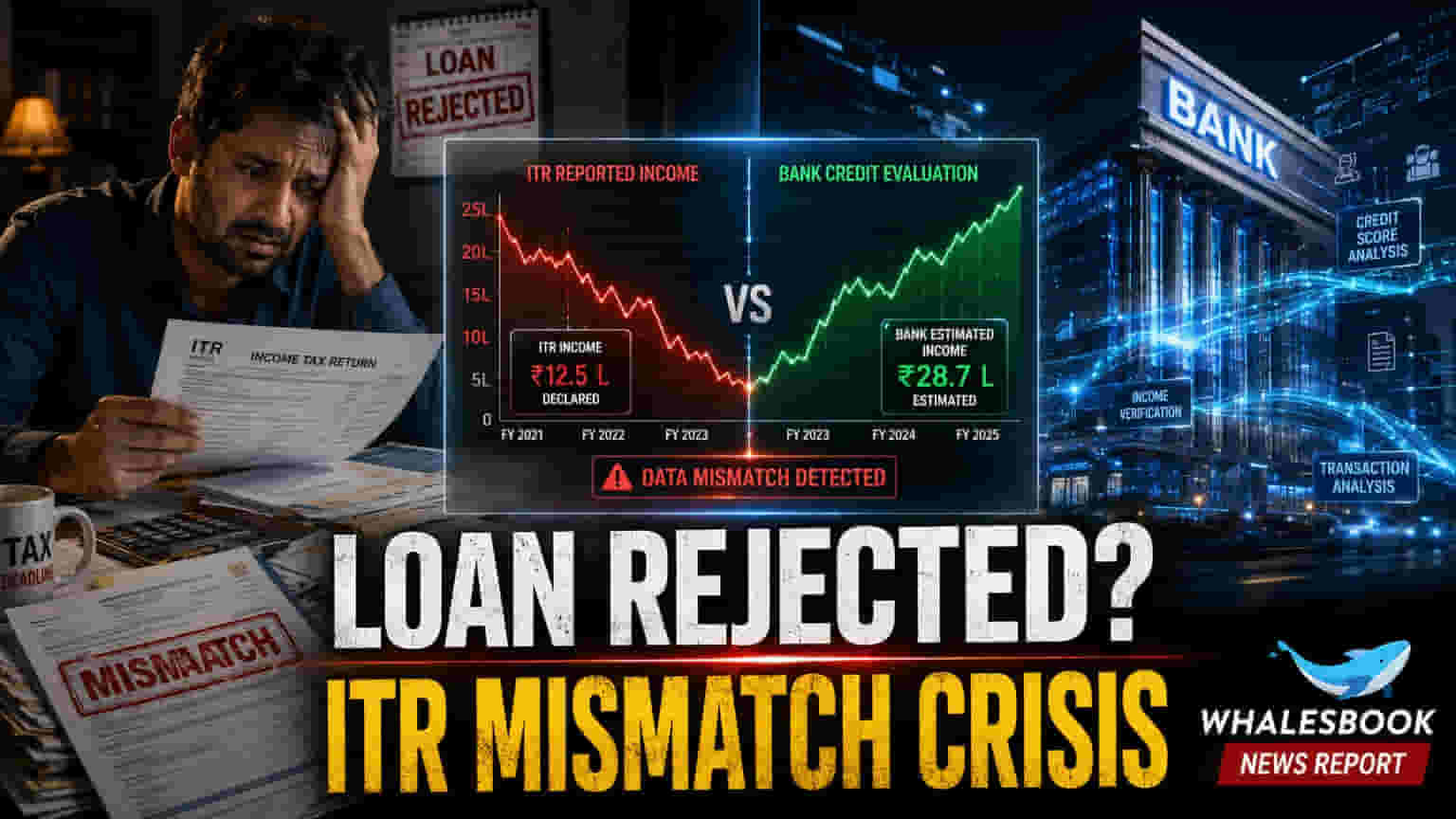


Income Mismatches Slow Down Loan Approvals
Applicants for personal loans are increasingly running into delays and outright rejections because their declared income on tax returns doesn't match what's shown in their bank statements. Lenders are now more closely checking these records to confirm a borrower's financial stability and ability to repay. Gaps of 20-30% or more between reported income and bank deposits are making lenders more cautious, requiring more documents and extending approval times. This marks a stricter approach to verifying finances in the personal lending market.
Increased Lender Scrutiny Affects Freelancers
Experts report a rise in these income mismatches, especially among freelancers, gig workers, and those with varied income streams. Their tax filings might not fully reflect their total earnings. Companies like BharatLoan and Rupee112 note that applications with significant income differences are much more likely to be rejected during review, needing extra verification steps. Lenders see these discrepancies as signs of higher financial risk, leading to a more conservative lending stance.
Cash Flow Analysis Gains Importance
To handle these documentation issues, lenders are expanding their evaluation methods. They are putting more focus on analyzing a borrower's spending habits and cash flow consistency over six to twelve months. This approach moves beyond just looking at annual declared income, favoring a more dynamic assessment based on bank activity. Steady income, careful spending, and a history of on-time payments are now seen as better indicators of financial health than a high declared income without matching bank records.
Aligned Documents Speed Up Loan Processing
Even with more advanced financial analysis, consistent documentation remains crucial. Applicants who provide bank records, tax returns, and other financial documents that tell a clear, consistent story are getting their loans processed much faster, with some seeing up to a 40% reduction in time. The key for borrowers is to ensure all their financial papers present a coherent picture before applying. Lenders are not just checking income; they are evaluating the clarity and integrity of an individual's entire financial profile. Having cohesive documents provides a significant advantage in the loan application process. While alternative data is becoming more important, clear and consistent reporting is still vital for efficient loan processing. Failing to align these documents can lead to not only delays but also loan denials.