

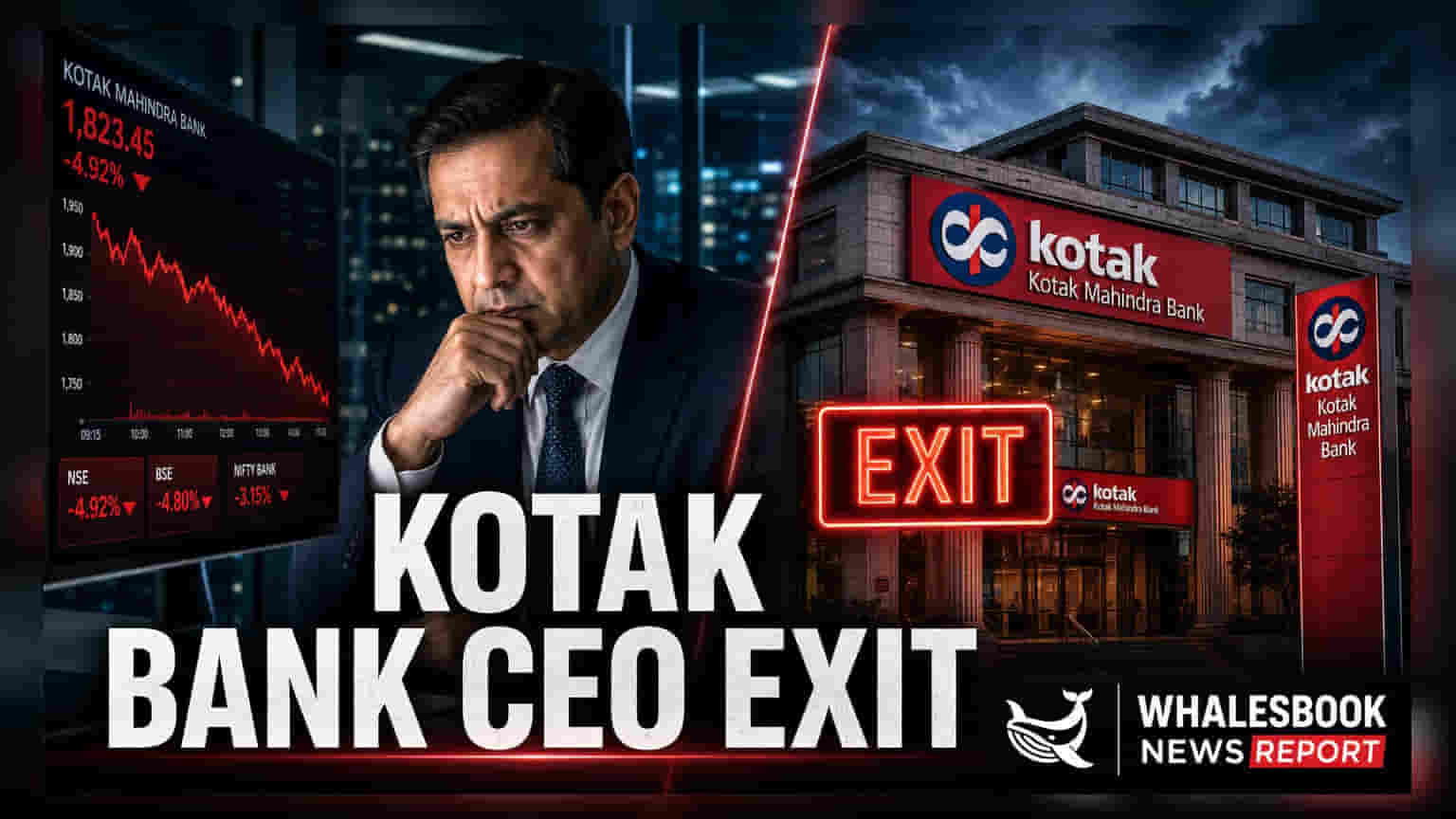
Kotak Mahindra Bank CEO Ashok Vaswani has announced he will not seek re-appointment when his term ends on December 31, 2026. This leadership change comes as the private lender faces hurdles in growing its deposit base and core banking margins. Investors are looking to see how the bank manages this transition and addresses stagnating savings account growth.
What Happened
Kotak Mahindra Bank (KMB) has announced that its Managing Director and CEO, Ashok Vaswani, will step down at the end of his current term on December 31, 2026. Vaswani informed the board on June 27 that he does not intend to seek re-appointment. This development marks the second leadership change for the bank in less than three years, following the transition from founder Uday Kotak. The board has initiated a search for a successor to lead the bank into its next phase, navigating a competitive banking environment and regulatory requirements.
Banking Performance And Margin Pressure
During Vaswani’s tenure, the bank faced clear challenges in maintaining its profit margins and deposit growth. Net Interest Margins, a key metric for bank profitability, declined to 4.6% in FY26 from 5.32% in FY24. Additionally, the bank’s CASA ratio, which tracks the percentage of low-cost current and savings account deposits, hovered around 43.3% in the March 2026 quarter, compared to 45.5% two years earlier. While the bank has focused on granular growth among affluent customers, these figures reflect the competitive pressure KMB faces in securing low-cost funds compared to larger industry peers.
Strategic Shifts And Portfolio Adjustments
KMB has recently taken a more conservative approach to its loan book, particularly in response to rising debt pressure in the microfinance sector. The bank has reduced its exposure to micro-loans and slowed down aggressive unsecured lending. For instance, BSS Sonata Microcredit, a subsidiary of the bank, reported a quarterly loss of Rs 9 crore for the March 2026 period. This shift highlights a broader effort by the management to prioritize asset quality over rapid, high-risk growth in unsecured retail segments.
Leadership Continuity And Succession
The departure of Vaswani follows a series of exits by senior leadership figures at the bank since 2023, including former interim MD and CEO Dipak Gupta and other long-term executives. As the board scouts for a new leader, the market is closely watching if the bank will look for an external candidate, given the Reserve Bank of India’s recent preference for outside leadership in private banks. Anup Kumar Saha, a whole-time director at KMB with prior experience at ICICI Bank and Bajaj Finance, is frequently cited by analysts as a key internal candidate with strong industry standing.
What Investors Should Track
The primary monitorable for shareholders is the formal appointment of the new CEO and the strategic direction they bring to the bank’s core operations. Investors will also watch the trajectory of the CASA ratio and Net Interest Margins in upcoming quarterly results to see if the bank’s focus on affluent digital customers begins to stabilize its funding costs. Finally, the bank’s ability to manage asset quality while improving growth in its core retail segments remains a critical area for long-term valuation assessment.