

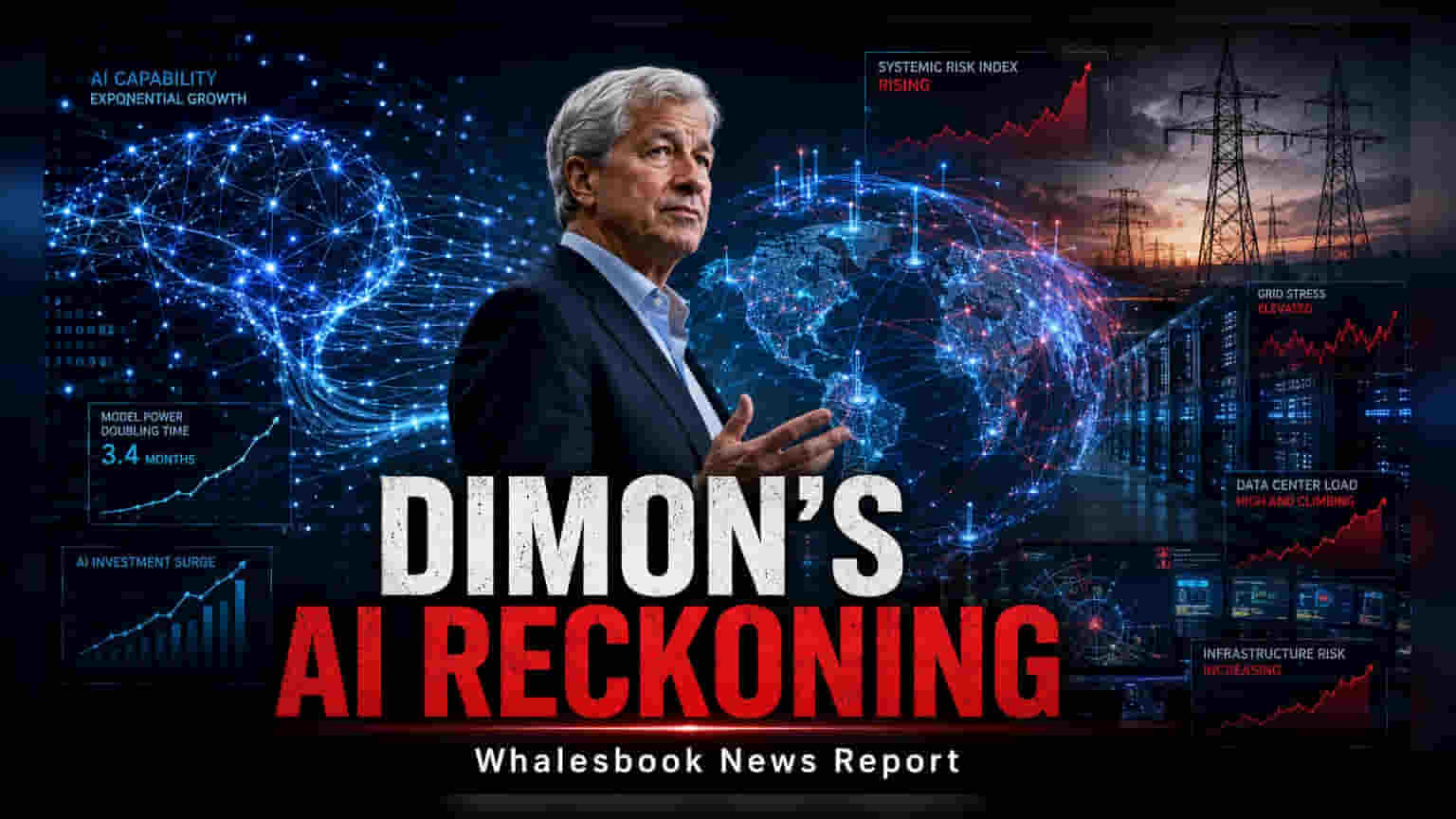
JPMorgan Chase CEO Jamie Dimon is expanding the Alliance for Critical Infrastructure to include over 40 major firms, aiming to combat rising AI-driven cybersecurity threats. The initiative focuses on cross-industry intelligence sharing and coordination with the U.S. government. This move highlights the growing corporate focus on systemic vulnerabilities as essential sectors like energy and finance integrate artificial intelligence.
JPMorgan Chase CEO Jamie Dimon is leading a significant cross-industry initiative to address the safety and operational risks posed by the rapid adoption of artificial intelligence. Dimon is spearheading the expansion of the Alliance for Critical Infrastructure (ACI), a collaborative group now bringing together over 40 major corporations from sectors such as banking, energy, telecommunications, railroads, and airlines.
The initiative, which began its outreach in July 2026, represents a shift in how large enterprises view AI. Instead of focusing solely on the efficiency gains and productivity benefits of the technology, corporate leaders are now prioritizing the development of defensive safeguards and unified standards. The ACI, originally formed by JPMorgan Chase, Mastercard, and Berkshire Hathaway Energy, was built to handle physical, geopolitical, and cyber threats. Its expansion underscores the belief that AI-driven vulnerabilities have become a board-level risk that cannot be managed by any single company alone.
Why This Matters for Financial Oversight
For investors and corporate watchers, this development signals that the largest institutions are bracing for systemic challenges. Dimon has been vocal about the dangers of advanced AI, previously cautioning that uncontrolled access to powerful models could allow malicious actors to launch sophisticated cyberattacks on critical services. As financial institutions and utility providers increasingly rely on autonomous AI agents, the potential for a cascading failure—where an issue in one network triggers problems in another—has risen.
By creating a formal forum for intelligence sharing, the ACI intends to partner with the U.S. government to identify core technology risks and develop safety frameworks. This is particularly relevant as regulators globally begin to scrutinize how AI is deployed in vital sectors. If the ACI succeeds in establishing industry-wide safety protocols, these standards could eventually influence how companies in other markets, including India, approach their own AI governance, compliance costs, and cybersecurity budgets.
Monitoring the Next Steps
Companies involved in this alliance are essentially moving to protect their core operations from being compromised by digital threats. As these firms coordinate their AI security strategies, the primary monitorable for investors will be how these defensive measures impact capital expenditure. Increased spending on cybersecurity and AI resilience is becoming a standard requirement for large-cap firms. Furthermore, investors should watch for any updates from the U.S. government regarding framework guidelines for frontier AI models, as these policies will likely dictate the operational environment for these global companies in the coming years. The goal for the alliance is to have these collaborative efforts fully operational by the end of 2026, setting a benchmark for how essential industries interact with rapid technological change.