 Whalesbook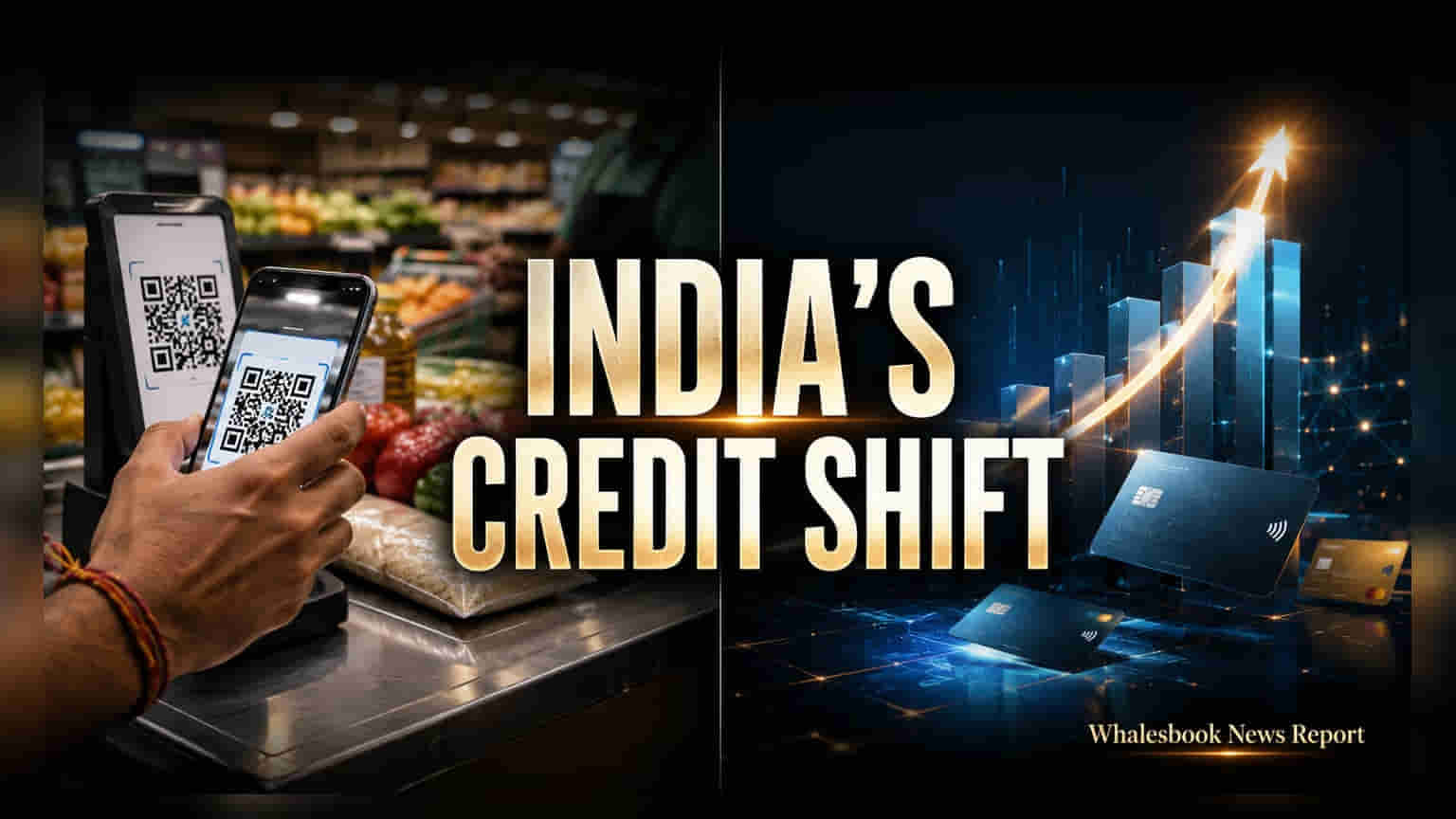


UPI Fuels Everyday Credit Card Spending in India
The way Indians use credit cards is changing dramatically, with UPI integration leading to a surge in daily spending on everyday items. This shift means credit cards are now used for routine purchases, not just large ones, especially in smaller cities where convenience is key.
UPI Drives Small Transactions
The combination of RuPay credit cards and UPI has transformed daily credit use. SBI Card reported over a 10% increase in UPI-linked credit card spending each quarter in FY26. Essential categories like groceries, utilities, and fuel saw the biggest growth. This indicates consumers now see credit cards as a natural extension of digital payment methods for frequent, smaller purchases. Online spending accounts for about 62.5% of total transactions, underscoring this digital trend.
Smaller Cities Lead Digital Credit Adoption
Tier-2 and Tier-3 cities are at the forefront of this credit card expansion. These areas account for roughly 77% of users and 81% of spending via UPI-linked credit cards. Making low-value transactions possible with RuPay on UPI has broadened access to credit beyond major cities, boosting financial inclusion.
New Era for Spending Habits
Consumers are now managing multiple credit cards to maximize rewards for different spending needs. Equated Monthly Installments (EMIs) are also becoming more common for various purchases, even in smaller cities, as people seek better ways to manage budgets. In FY26, total credit card spending in India reached about ₹23.62 trillion with 118.6 million cards in circulation, an 8% rise in the card base. However, new card additions slowed to 8% in FY26 from 19% in FY24 as lenders focus more on credit quality. The average spend per card has also decreased, suggesting more frequent, smaller transactions.
Market Dynamics and Competition
RuPay's integration with UPI has significantly boosted its market share in credit card transactions, reaching an estimated 38% by volume. This gives RuPay a strong advantage due to UPI's wide merchant acceptance. Visa and Mastercard are also key players, but RuPay's exclusive UPI access has changed the competitive landscape. As of May 2026, SBI Card's market cap was around $6.50 billion with a P/E ratio of 29.7. Other major banks offering credit cards include HDFC Bank, ICICI Bank, and Axis Bank. SBI Card's FY26 net profit grew over 13% to Rs 2,167 crore, with revenue up 10% to nearly Rs 19,900 crore. However, its market share slightly decreased to 18.6% in FY26 from 19% in FY25. While credit card spending is growing, the slowdown in new card additions and lower average spend per card might signal a return to more normal growth rates after a period of rapid expansion.
Potential Risks and Challenges
Despite strong adoption, risks exist. The slowdown in new card additions suggests lenders are prioritizing credit quality over volume. A 3% month-on-month drop in average spend per card in January 2026 to about Rs 17,100 indicates a possible decrease in discretionary spending and a shift to smaller, more frequent buys. The market is also concentrated, with the top five issuers holding over 80% of spending, which could limit competition. While SBI Card has managed its asset quality with bad debt at 2.41% in FY26, rising delinquencies in unsecured lending across the industry require attention. SBI Card's operating costs also increased by 24% year-on-year in Q4 FY26 to Rs 2,561 crore, posing a challenge to profitability.