 Whalesbook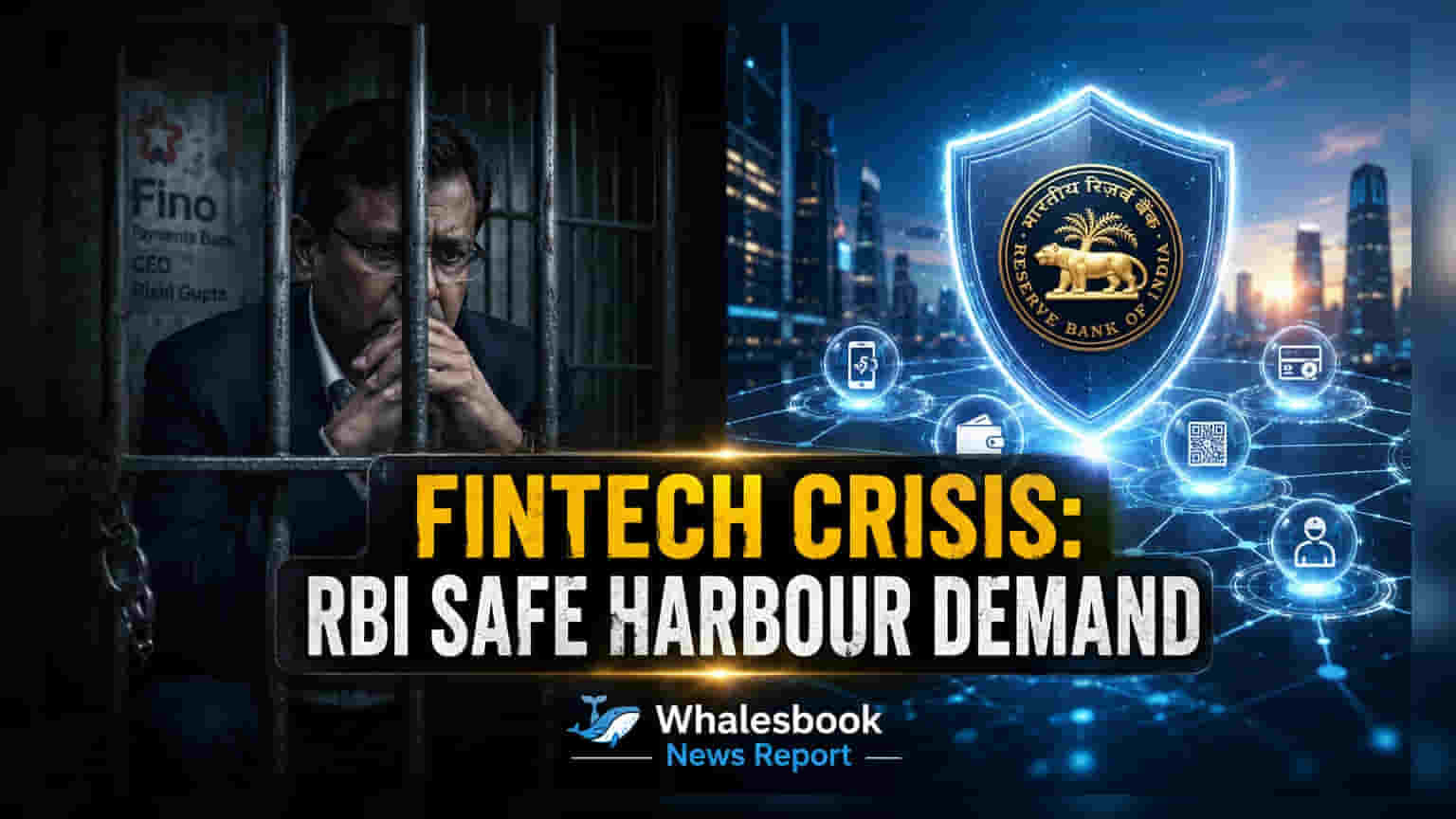


Fintechs Push for Regulatory Shield
The Indian fintech sector is actively seeking a 'safe harbour' framework to protect licensed, compliant entities from retrospective regulatory and tax penalties. This initiative comes as the Reserve Bank of India (RBI) tightens supervision. Payment companies are particularly concerned about being held liable for non-compliance by their third-party merchants or program managers, even if the fintech firm itself follows all rules.
Arrest Highlights Compliance Risks
The demand for this legal protection intensified after the arrest of Fino Payments Bank's former MD and CEO in early 2026. The arrest was linked to a GST investigation into third-party merchants. While Fino Payments Bank stated it acted with due diligence and met its tax obligations, the incident underscored the risks fintechs face when their operations are intertwined with complex merchant networks. This event led to a governance crisis at the bank, illustrating the potential for intermediary actions to impact the parent institution.
Business Model and Regulatory Pressure
Fintech companies, unlike traditional banks, often operate with slim margins and rely on high-volume, asset-light models. Their operations depend on automated transaction flows facilitated by third parties. The RBI has increased regulatory pressure, requiring all non-bank payment aggregators to seek authorization by early 2026 or face suspension. This has prompted significant investment in compliance and risk management by fintechs aiming to separate their operations from issues within the broader merchant ecosystem.
Analyst Concerns on Internal Controls
Some analysts are skeptical, arguing that a 'safe harbour' could reduce the incentive for fintechs to maintain strict oversight of their partners. The broader banking sector is also under increased RBI scrutiny regarding digital lending standards and recovery practices. Fino Payments Bank, for instance, has experienced significant stock underperformance and profit declines amid governance concerns, making the regulatory environment a key challenge. Critics suggest that regulators might view a 'safe harbour' request as a sign of industry weakness, potentially leading to even tighter capital and operational rules.
Regulatory Focus Shifts
Industry groups like the Payments Council of India are looking at international models, such as those in Singapore, for guidance. However, the RBI appears more focused on strengthening system resilience and consumer protection. Recent RBI proposals, including delayed credit for payment fraud and stricter recovery norms, signal a regulatory direction that prioritizes stability over potential industry relief measures. The 'safe harbour' debate is expected to continue throughout 2026 as fintechs navigate rapid growth alongside a more demanding regulatory landscape.