

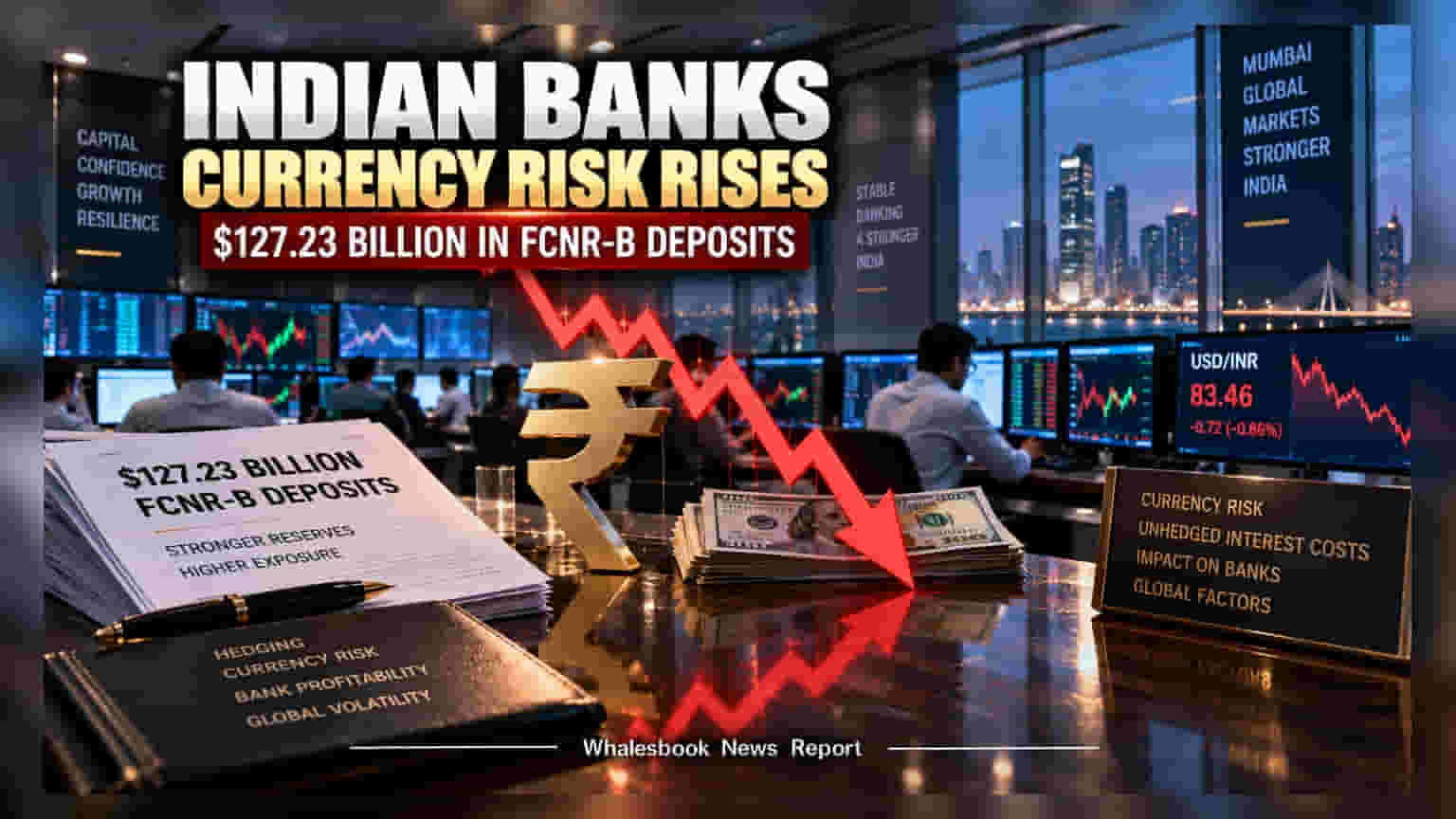
Indian lenders have mobilized over $127 billion in overseas deposits, but many are leaving future interest payments unhedged to save on costs. This creates a financial risk if the rupee depreciates, as banks could face higher-than-expected costs to service these obligations when they fall due.
Indian banks have successfully mobilized approximately $127.23 billion in Foreign Currency Non-Resident (FCNR-B) deposits following a special swap facility introduced by the Reserve Bank of India in June 2026. While this influx has bolstered foreign exchange reserves, a significant portion of the interest payment obligations on these funds remains unhedged, creating a potential vulnerability for the banking sector.
Hedging Costs Versus Currency Risk
To encourage these inflows, the central bank provided a special swap facility that effectively protects banks against the risk of the rupee losing value against the dollar for the principal amount. However, this protection does not extend to the interest payments owed to depositors. Industry data indicates that hedging these interest costs for three-to-five-year tenures currently requires an annual premium of roughly 3%. Many treasury desks at both public and private sector banks have opted to bypass this cost, essentially betting that the rupee will remain stable and that they can manage future payments without locking in today's exchange rates.
Potential Impact on Bank Profitability
By choosing not to hedge, banks are saving on immediate expenses, which helps maintain higher margins in the short term. However, this strategy relies heavily on the assumption that the domestic currency will not experience sharp depreciation. If global factors—such as rising crude oil prices or shifts in U.S. Federal Reserve interest rate policies—trigger a significant fall in the rupee, the cost of acquiring dollars to pay interest on these deposits would rise sharply. This could lead to unplanned financial losses, putting pressure on the banks' profit margins when these payments eventually come due.
Systemic Risks and Market Pressure
Beyond individual bank performance, there is a systemic concern regarding the stability of the rupee. If a large number of banks find themselves holding significant unhedged positions during a period of currency weakness, they might be forced to purchase dollars from the market to meet their interest obligations. This sudden, collective demand for foreign currency could accelerate downward pressure on the rupee, potentially complicating the country’s balance of payments.
Investors and market participants are closely tracking how banks manage these liabilities over the coming quarters. The primary concern is not just the current stability of the rupee, but the bank's ability to absorb currency volatility as these deposits mature. The evolution of global crude oil prices, which have recently faced pressure, remains a key factor that could dictate the urgency with which banks may need to reassess their unhedged positions.