 Whalesbook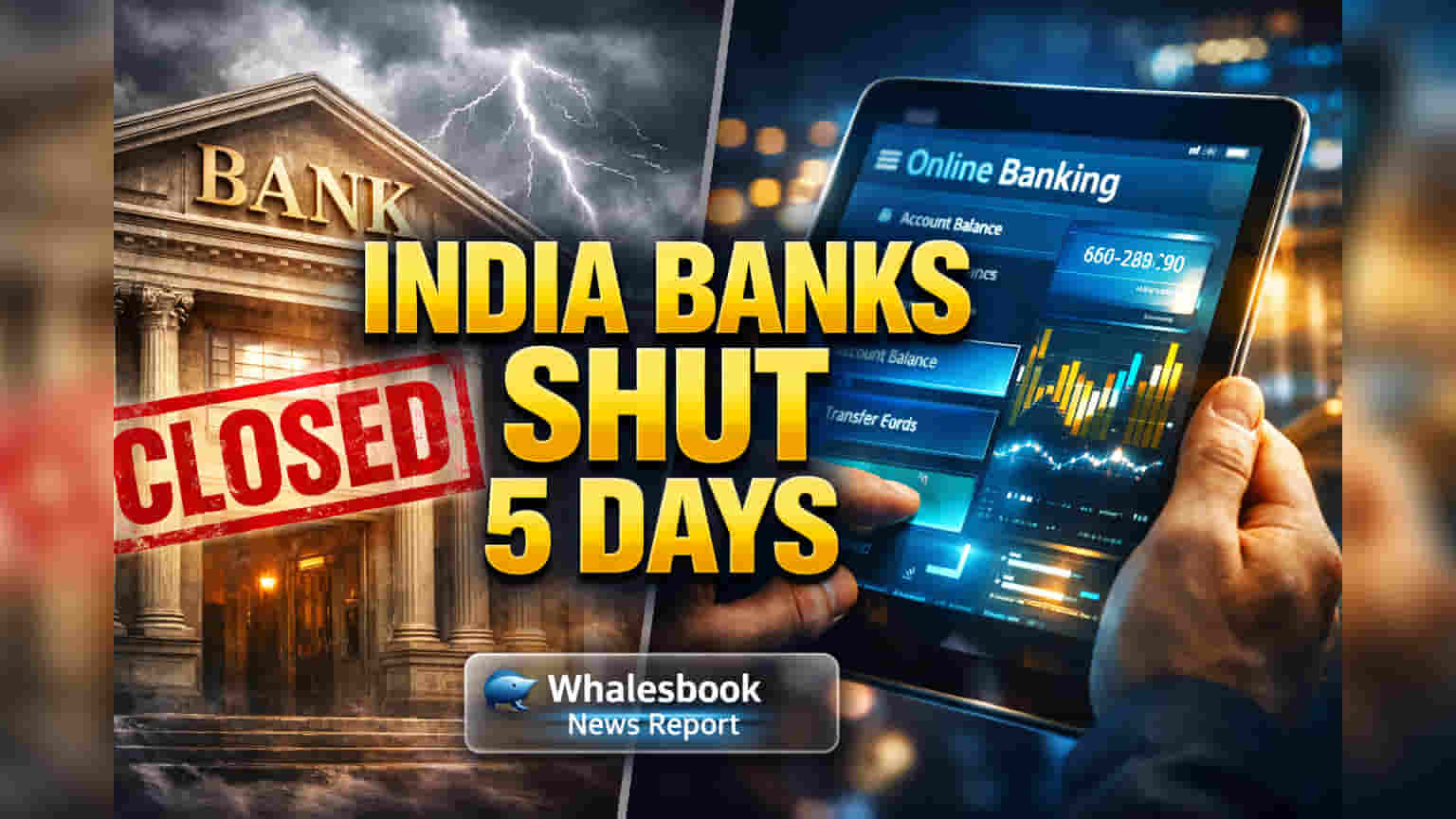
Branch Closures Create Year-End Challenge
The week of March 30 to April 5, 2026, presents a significant challenge for banking customers across India, as physical branches will be closed for five out of seven days. This period includes religious holidays such as Mahavir Jayanti and Good Friday, plus the annual account closure on April 1. These events combine with the crucial fiscal year-end closing process. The Reserve Bank of India (RBI) has directed agency banks to stay open on March 31 to handle essential government transactions, ensuring all fiscal 2025-26 reports are completed on time. Still, the impact of these consecutive closures on branch services will affect transactions that can't be done online.
Digital Services Stay Active
These extended branch closures are expected to speed up the already strong adoption of digital banking in India. The country's fintech sector has grown rapidly, with billions of UPI transactions processed monthly, showing its importance in everyday commerce. India's digital payment adoption rate is 87%, well above the global average, as people increasingly use mobile apps, net banking, and UPI. Online banking, RTGS, and NEFT systems will operate 24/7 throughout the holidays, offering essential support for customers needing immediate transactions. This trend shows digital channels are becoming the main way people bank, no matter if branches are open.
Customer Inconvenience and Potential Risks
While digital options are available, the long branch closures will cause customer inconvenience. Transactions requiring a physical visit, like large cash deposits, certain loan applications, or dealing with complex paperwork, will be significantly delayed. In the past, long holiday periods led to concerns about ATMs running out of cash, but bank officials have said net banking and mobile banking have eased these problems, especially in cities. There's a minor risk of digital systems being strained by an unusual spike in simultaneous use. Also, new RBI efforts to identify dormant accounts could unintentionally impact customers unable to bank during this time, highlighting the need for them to act ahead of time.
Future Focus for Banks
This recurring pattern of extended holiday closures, particularly at the fiscal year-end, strengthens the case for Indian banks to invest heavily in digital infrastructure and online services. As traditional banking moves more online, the need for physical branches may decrease. These limited access days are likely to reinforce customer habits, moving more financial activities to digital platforms. This could also drive more innovation in the fintech sector. The banking sector's strength will be tested by how well it balances old ways with the growing needs of digital-first customers.