

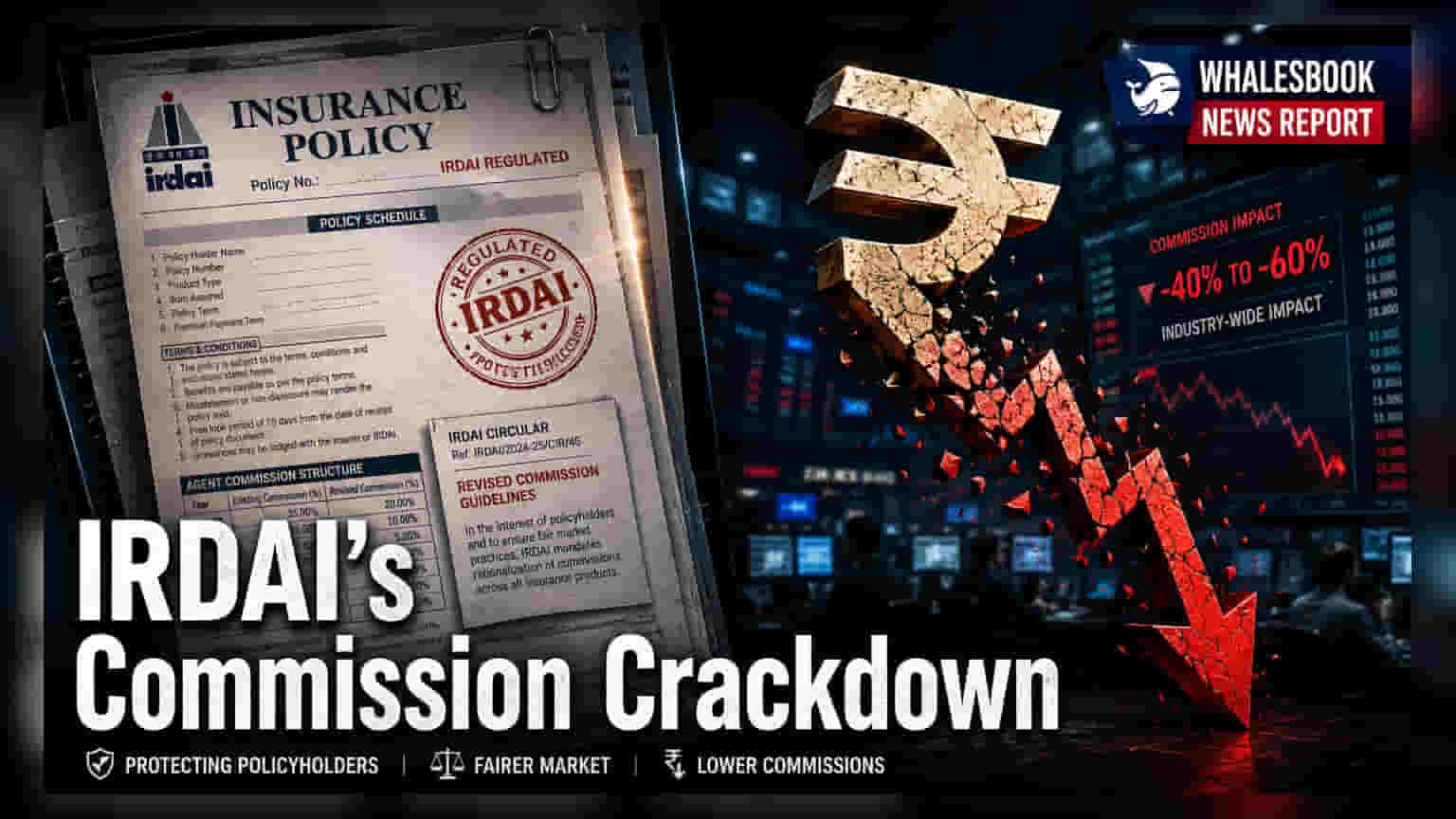
The insurance regulator plans to mandate public disclosure of intermediary commissions to reduce mis-selling. This follows commission costs crossing ₹1 lakh crore in FY25, potentially leading to new caps on payouts for agents and banks.
What Happened
The Insurance Regulatory and Development Authority of India (IRDAI) is planning to tighten transparency rules for insurance intermediaries, including agents, brokers, and banks. The regulator aims to make commission earnings public to curb the issue of mis-selling, where intermediaries may push products based on higher payouts rather than customer needs. Under the proposed framework, intermediaries who earn commissions above a specific limit will need to provide detailed annual reports. These reports will detail their commission income, transactions with related entities, and even dividend payments to their parent companies.
The Scale of Commission Expenses
This regulatory push comes after commission costs in the insurance sector reached significant levels. In FY25, commission expenses for life insurers crossed ₹1 lakh crore, while the non-life insurance industry reported commission expenses totaling ₹47,266 crore. For life insurers, the commission expense ratio—which measures commissions as a percentage of total premiums—rose to 6.86% in the same period. The regulator is now utilizing powers granted by recent amendments to the Insurance Act to draft measures that could potentially cap these payouts.
Why Transparency Matters for Investors
For shareholders of listed insurance companies and financial entities that act as intermediaries, such as banks, these changes are important. If the regulator introduces a cap on commissions, it could impact the revenue models of bancassurance partners and large brokerage firms. Historically, the distribution space has been highly competitive, with intermediaries often favoring products that offer higher renewal commissions. Greater transparency and potential caps are intended to align intermediary incentives more closely with the interests of policyholders, but they may also compress the margins of distribution-heavy businesses.
Competition in Distribution
The insurance sector has seen increased pressure as digital platforms and new-age insurtech companies enter the market. This has forced traditional intermediaries to compete more aggressively for large corporate contracts and new policyholders. By mandating that intermediaries publish their earnings on their websites, the regulator aims to bring price transparency to a process that has often been opaque. Investors should track how these proposed disclosures affect the competitive dynamics between traditional banks acting as agents and the growing number of digital insurance distributors.
What Investors Should Track Next
The next important steps will be the formal release of the draft circular by the IRDAI and the subsequent industry response. Investors should specifically monitor whether the regulator sets a firm cap on commission percentages or relies primarily on enhanced disclosure requirements. Additionally, management commentary from listed insurance companies and banks regarding the potential impact of these commission caps on their future distribution margins will be a key monitorable in upcoming quarterly earnings calls.