

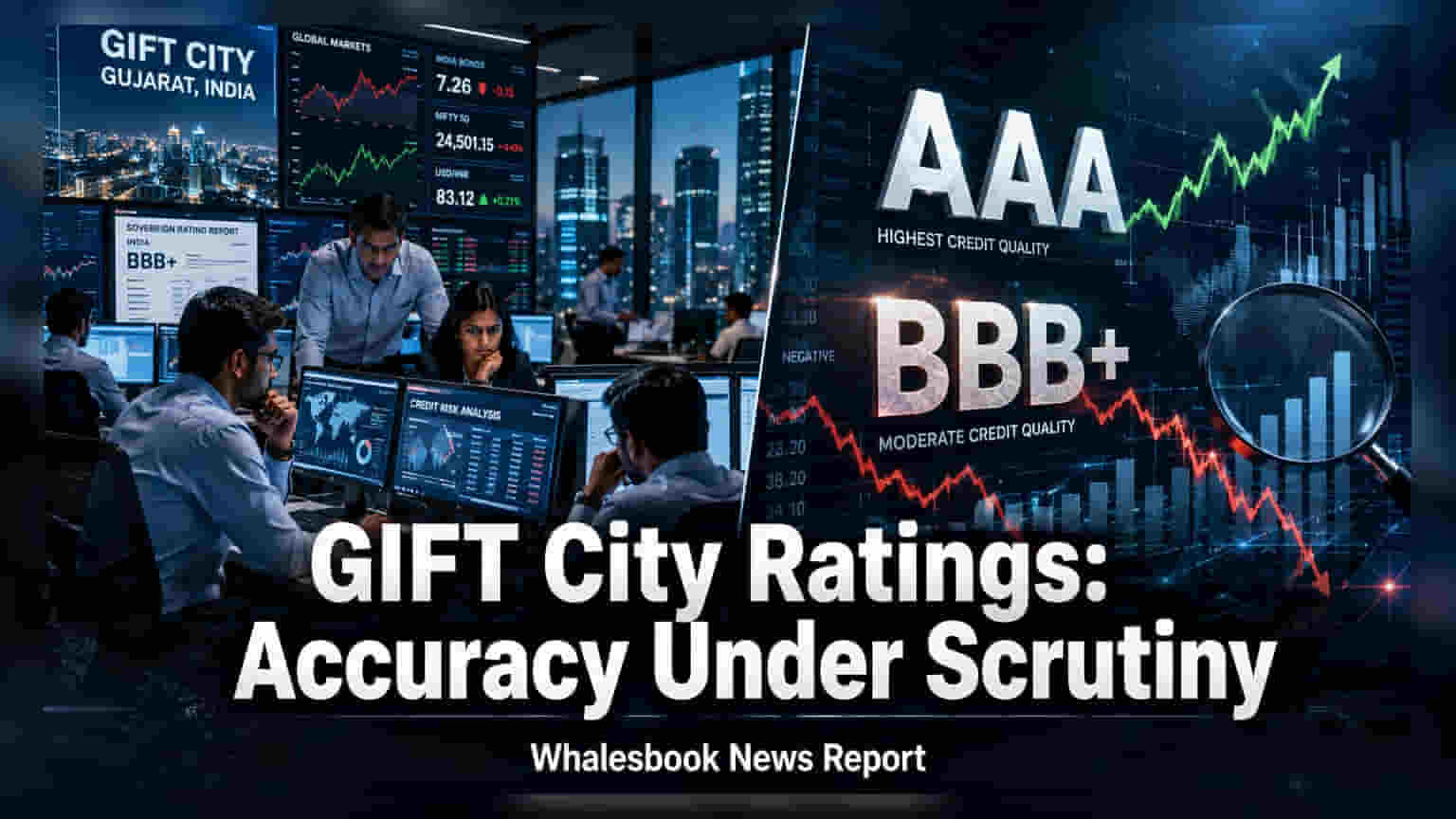
The IFSCA has updated credit rating rules in GIFT City, mandating agencies to allow issuers to review ratings for factual accuracy before public release. This regulatory change aligns with global standards to ensure rating precision while maintaining the independence of credit rating agencies. The updated framework also introduces stricter record-keeping and broadens the scope of ratings to include financial strength assessments.
The International Financial Services Centres Authority (IFSCA) has introduced a new framework for credit rating agencies (CRAs) operating in GIFT City. Under the updated master circular, agencies are now required to share the key information and primary considerations behind a rating with the issuer before it is officially published. This gives companies an opportunity to point out factual errors or omissions that might otherwise affect the accuracy of the final report.
Maintaining Analytical Independence
While this change introduces a formal verification window, the regulator has emphasized that the process is strictly limited to fact-checking. Issuers cannot negotiate the final credit rating, nor can they approve or reject the agency’s analytical judgment. The independence of the credit rating agency remains the primary focus. By allowing issuers to verify the underlying data—such as financial figures or operational details—the regulator aims to prevent errors that could arise from incorrect information without slowing down the rating process.
Global Standards and Local Presence
This regulatory update brings the GIFT City framework closer to the standards set by the International Organisation of Securities Commissions (IOSCO). The shift is designed to ensure that ratings issued from the IFSC are credible and reliable by global benchmarks. Currently, the landscape for credit ratings in the IFSC is growing, with entities such as CareEdge Global IFSC Ltd and S&P Global Ratings Singapore Pte. Ltd already registered. Moody’s Investors Service Singapore Pte. Ltd has also submitted an application to expand its operations into this zone.
Broader Scope and Record-Keeping
The new guidelines also enhance the accountability of rating agencies by requiring them to maintain detailed records that allow for the full reconstruction of the rating process. Agencies must now document the reasoning behind their decisions, including the factors that supported the final rating as well as those that were considered but rejected. Furthermore, the regulator has widened the scope of the framework. Beyond financial instruments, the rules now extend to cover ratings for issuers and overall financial strength. Investors and market participants should monitor how these refined processes influence the speed and transparency of rating updates, as more international agencies continue to establish their footprint in India’s growing financial hub.