 Whalesbook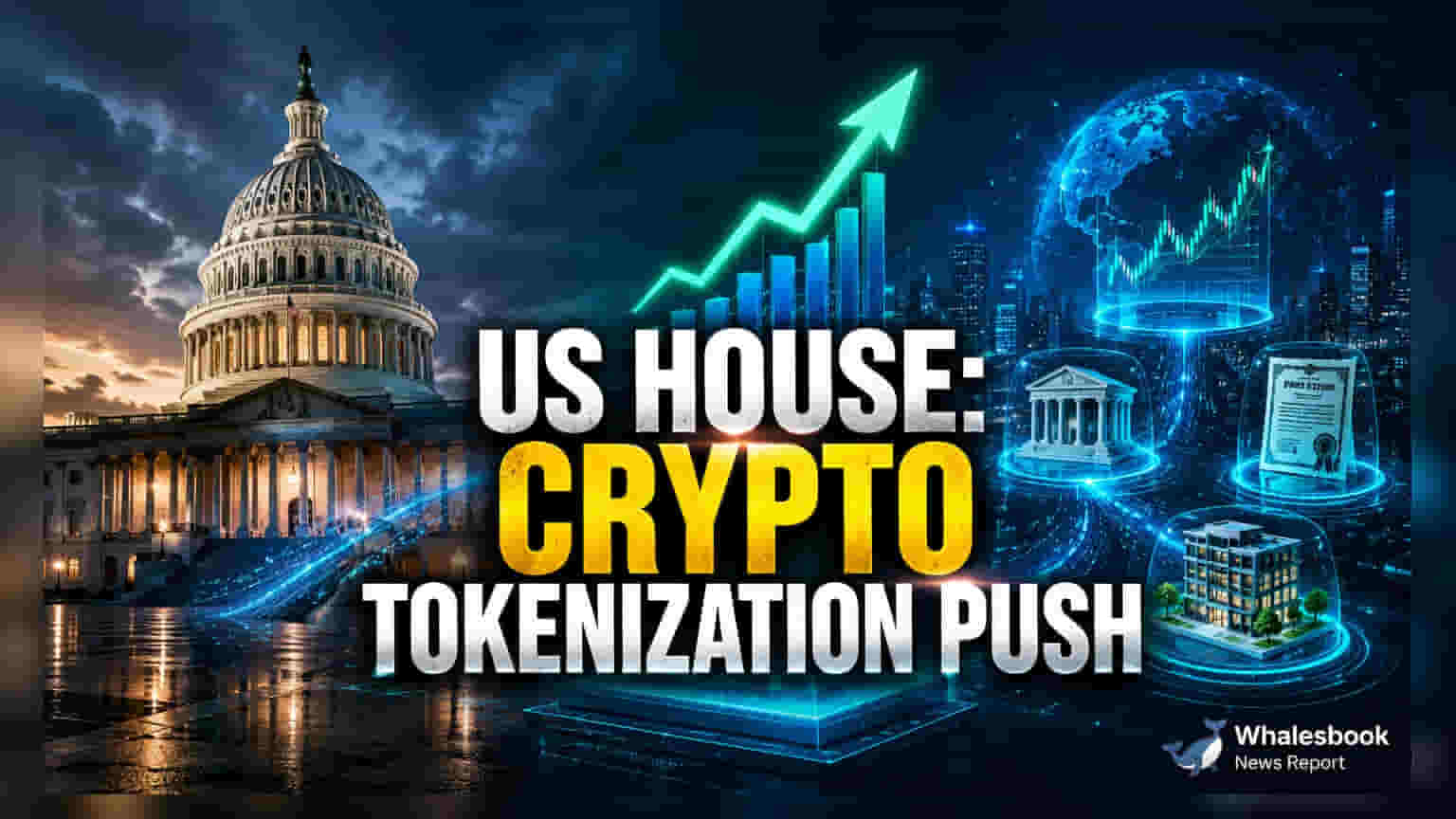


Beyond The Legislative Horizon
The U.S. House Financial Services Committee, directed by Chairman French Hill, has repositioned its strategic focus toward the integration of real-world assets into blockchain-based frameworks. This pivot signals a transition from initial digital asset market structure debates toward the practicalities of implementation. Lawmakers are currently evaluating whether the existing mandates governing the Securities and Exchange Commission and various banking regulators provide sufficient clearance for these technological shifts or if specific statutory expansion is required to prevent legal bottlenecks.
The Operational Efficiency Thesis
At the core of this initiative lies the comparison between modern tokenization and the archival digitization of securities markets during the 1970s and 80s. The committee views tokenized commercial bank deposits and equity assets as operational upgrades designed to compress settlement cycles and mitigate transaction risk. The primary hurdle identified by observers is not the underlying cryptographic technology, but the lack of interoperability between fragmented financial ledger systems. Achieving a unified protocol for these assets remains the central challenge for regulators attempting to balance innovation with systemic stability.
The Forensic Bear Case: Structural Risks
Despite the legislative optimism, significant risks remain for firms betting on a rapid adoption cycle. A primary concern is the potential for regulatory misalignment; should the Securities and Exchange Commission and the Commodity Futures Trading Commission fail to harmonize their oversight roles during the proposed 12-month joint rulemaking period, market participants could face years of compliance uncertainty. Furthermore, the push for tokenization creates a structural threat to traditional financial intermediaries. If central bank or commercial bank deposits are tokenized at scale, the current fee-based custodial model may face severe margin compression. There is also the unresolved question of liability in a decentralized environment; if a smart contract fails or a private key is compromised in a tokenized asset pool, the current lack of clear legal precedent regarding institutional liability could lead to protracted litigation that effectively stalls adoption for risk-averse legacy institutions.
Future Outlook and Sector Implications
As the 2026 election cycle approaches, the intersection of political funding and pro-innovation legislative pressure will likely intensify. Market participants should look for signs of progress in the joint rulemaking process expected to follow the finalization of broader stablecoin legislation. The ability of the House to force a bipartisan consensus in the Senate will be the ultimate indicator of whether this initiative provides a clear path for institutional adoption or devolves into a prolonged period of regulatory, legal, and operational gridlock.