

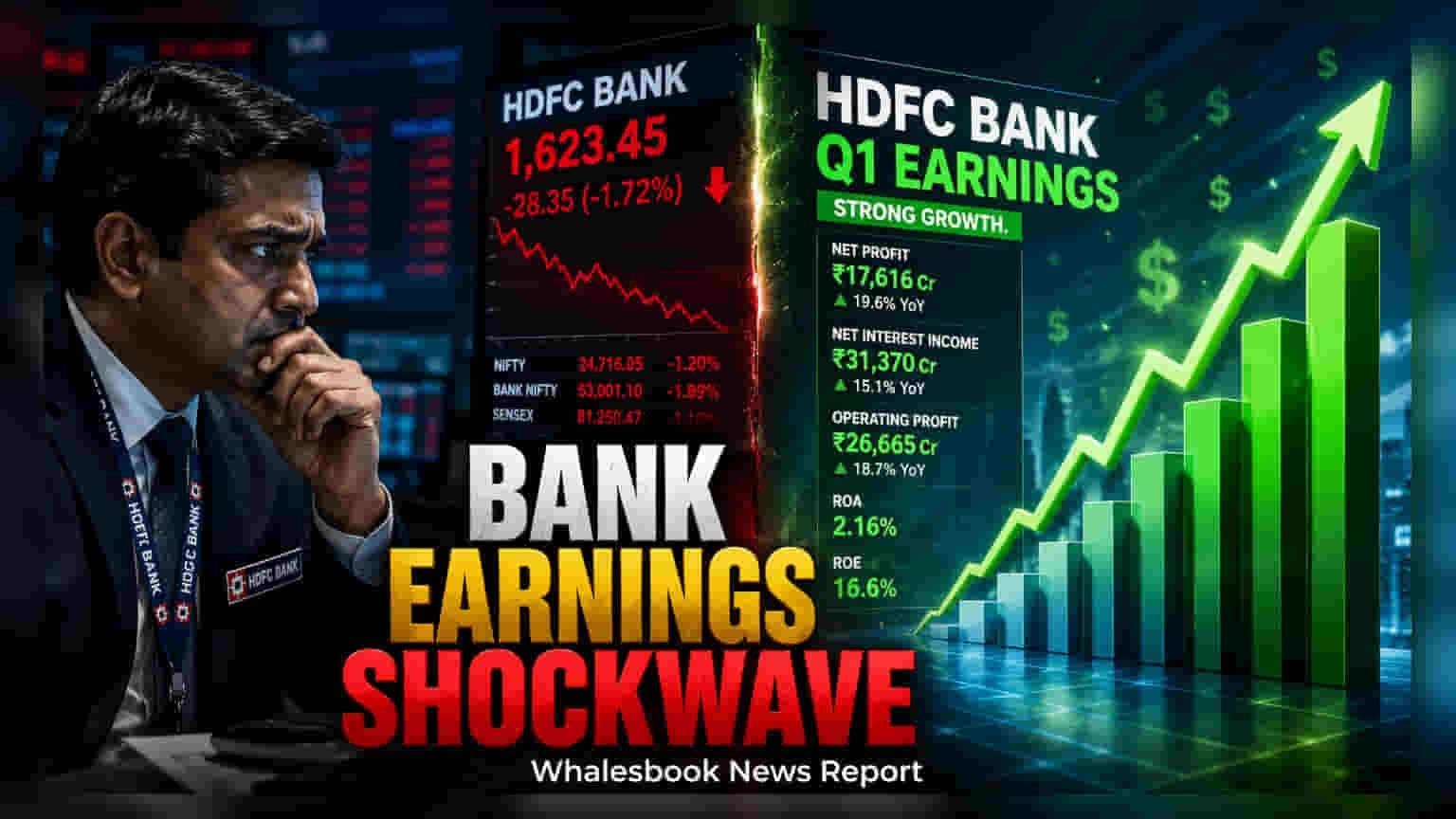
Major Indian lenders including HDFC Bank, ICICI Bank, Axis Bank, and Kotak Mahindra Bank are releasing their first-quarter financial results today, July 18, 2026. Investors are evaluating these reports for updates on loan growth, asset quality, and net interest margins to assess the banking sector's current financial health.
The Indian banking sector faces a significant day of scrutiny as several prominent financial institutions report their financial performance for the quarter ended June 30, 2026. HDFC Bank, ICICI Bank, Axis Bank, and Kotak Mahindra Bank lead the list of major lenders scheduled to share their results, alongside public and private sector players such as Punjab National Bank, IDBI Bank, and Yes Bank.
Monitoring Key Profitability Drivers
For investors, these results provide essential insights into how banks are managing their business in the current interest rate environment. One of the primary metrics to track is the net interest margin, which represents the difference between the interest income a bank earns from loans and the interest it pays to depositors. With recent fluctuations in economic activity, any contraction or expansion in these margins can directly influence profitability.
Asset quality remains another critical area of focus. Investors will examine the level of gross and net non-performing assets—loans that are in default or close to it—to determine if banks are successfully managing credit risks. A rise in bad loans, if observed, could lead to higher provisions, which in turn reduces the bank's bottom-line profit.
Sector-Wide Implications and Broader Market Trends
Beyond the banking giants, the reporting calendar includes other significant players such as JK Cement and India Cements. Their disclosures will offer a broader look at the industrial and construction sectors, which are often closely linked to bank credit growth. When these companies report strong performance, it often suggests a healthy appetite for credit, which generally benefits the banking sector.
Historically, the quarterly earnings of major banks serve as a barometer for the broader Indian economy. If these institutions report stable loan growth and controlled credit costs, it may boost investor confidence. Conversely, if banks signal pressure due to rising deposit costs or slow demand for new loans, it could lead to volatility in share prices.
Investors are also evaluating these figures against expectations set by market analysts. While these results offer a look into past performance, the management commentary accompanying the filings will be equally important. Updates regarding future credit growth, the strategy for managing deposit costs, and the outlook on rural or corporate demand will help market participants understand the sustainability of the current growth trends.