 Whalesbook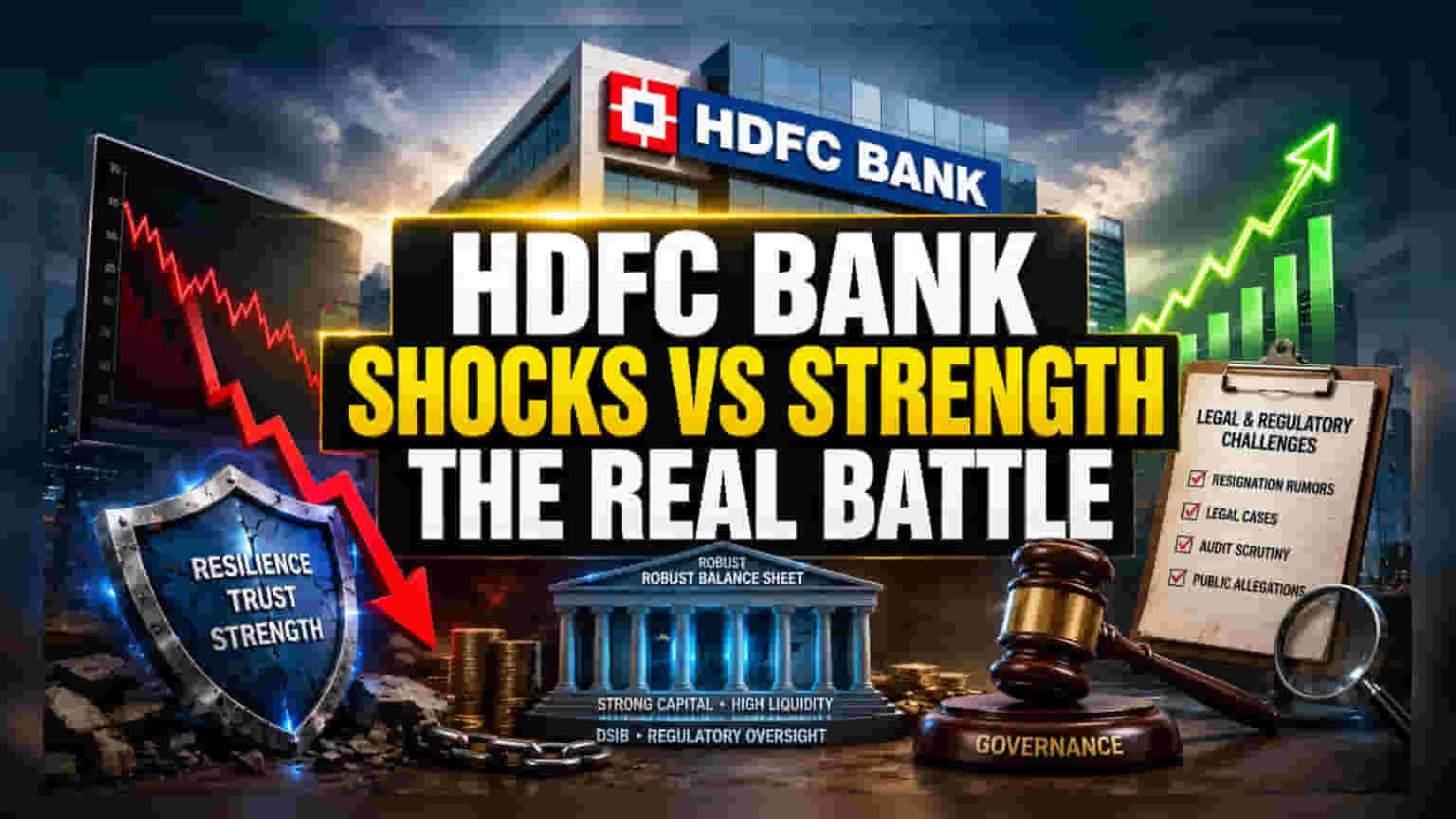


The Valuation Disconnect
Market volatility surrounding HDFC Bank has widened the gap between its fundamental performance and its current price-to-earnings multiple. While the institution remains a cornerstone of the Indian banking sector, consistent negative sentiment fueled by high-profile resignation rumors and legal challenges has suppressed valuation, leaving the stock trading at a significant discount relative to its five-year historical average. Investors are currently weighing the impact of these governance headlines against the bank’s resilient balance sheet and its status as a Domestic Systemically Important Bank, which mandates a higher degree of capital oversight and regulatory scrutiny.
The Anatomy of Regulatory Resilience
Market analysts note that the recent administrative friction—ranging from the quashing of FIRs by the Bombay High Court to the RBI’s explicit endorsement of management—serves as a stress test for the bank’s internal controls. Unlike smaller private lenders, HDFC Bank’s infrastructure includes robust, multi-layered audit mechanisms that have proven effective during recent investigations into interest payment discrepancies. By proactively commissioning external legal reviews, the leadership team is attempting to signal transparency, though this strategy remains vulnerable to the persistent, selective leaking of confidential audit notes that continue to trigger algorithmic selling pressure.
The Forensic Bear Case
From a risk-management perspective, the primary concern is not the solvency of the institution, but the potential for institutional fatigue caused by a revolving door of leadership and recurring public scrutiny. The departure of key board members often creates a vacuum of institutional knowledge, providing ammunition for short-sellers to exploit narrative-driven volatility. Furthermore, the bank’s aggressive pursuit of loan recovery against high-profile entities has clearly created an adversarial environment where litigation is being used as a tactical tool to undermine corporate reputation. Unless the bank can successfully navigate the current cycle of public allegations without further board-level friction, the institutional discount may persist despite strong net interest margins.
Future Outlook and Market Consensus
Broader sector trends suggest that Indian private banks are currently entering a period of tighter margin compression as credit growth normalizes from its post-pandemic surge. HDFC Bank is positioned to maintain a competitive advantage due to its sheer scale and liquidity, yet analysts remain cautious regarding short-term price action. Future performance will depend heavily on the board’s ability to stabilize leadership communication and the successful mitigation of future regulatory audits, which remain the primary catalyst for institutional outflows. Market consensus currently prioritizes stabilization, with institutional participants looking for a definitive end to the cycle of public governance disputes before re-entering at higher volume levels.