

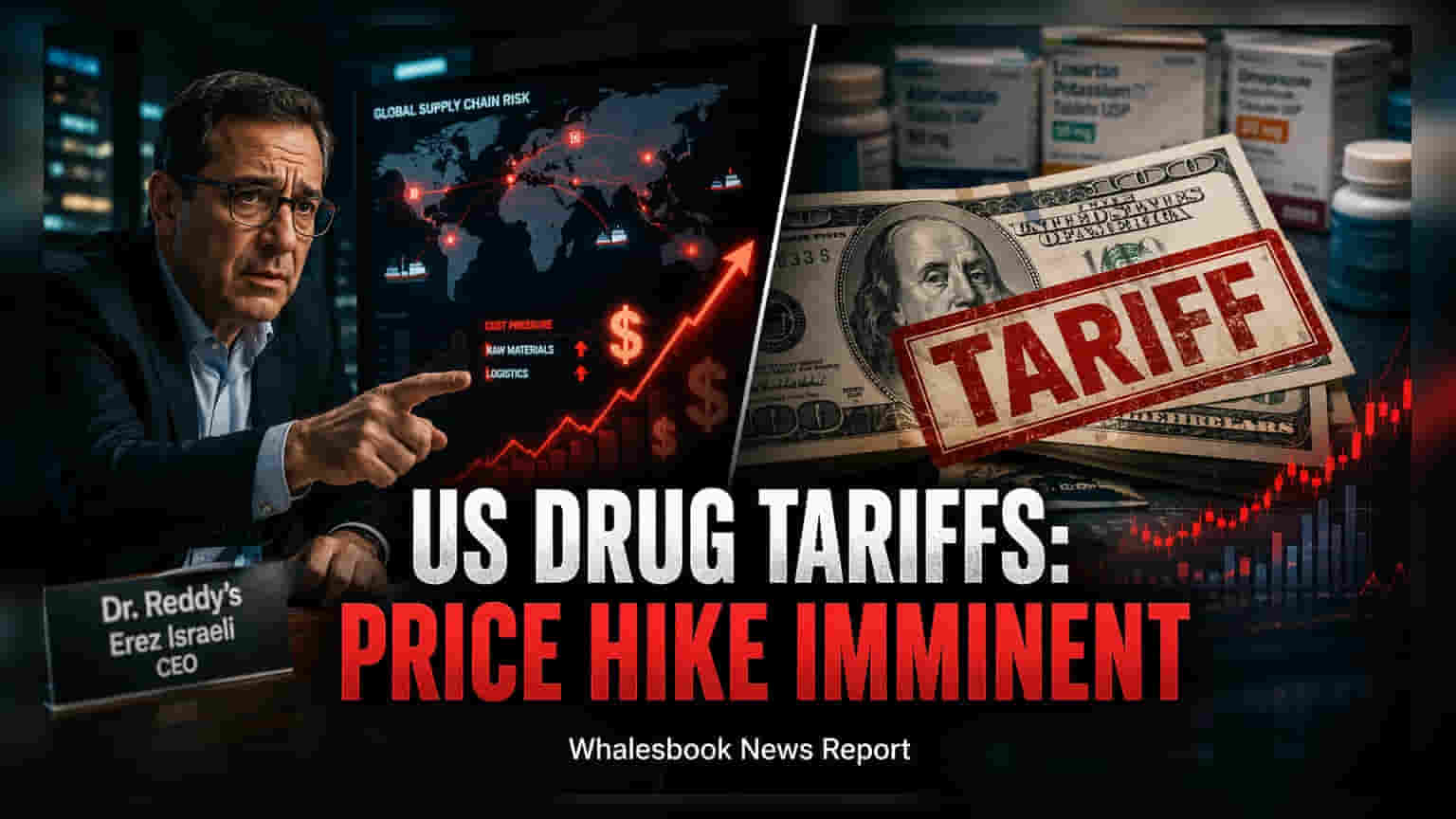
Dr. Reddy's CEO Erez Israeli stated that US tariffs on imported generic drugs could force price hikes for American consumers. The company currently views shifting manufacturing to the US as impractical due to high cost differences. Investors may track future policy updates as the US plans to implement tariff changes starting in August 2028.
Detailed Coverage
Dr. Reddy's Laboratories Ltd. faces potential challenges in the United States market following announcements regarding new trade policies. CEO Erez Israeli recently clarified that the company does not see shifting its manufacturing base to the US as a viable business strategy at this time. This stance comes in response to proposed US policies that could impose heavy tariffs on imported generic medicines in the coming years.
Tariff Policy Timeline and Potential Impact
The US administration has outlined a plan involving zero tariffs on imported generic drugs for a two-year period, beginning August 1, 2026. However, the policy is scheduled to shift significantly after this window. According to the announcement, a 100% tariff is slated for implementation starting in August 2028, with that figure set to climb to 200% in subsequent years. Israeli noted that while the company is monitoring these developments closely, it has not altered its current operational strategy. He warned that if these tariffs are eventually enforced, the increased costs would likely flow through the supply chain and lead to higher retail prices for American patients.
Manufacturing Costs and Strategic Flexibility
When addressing the feasibility of moving production to the United States to avoid these tariffs, the management highlighted the stark difference in operating expenses. The cost of manufacturing in the US remains significantly higher than in markets like India, where Dr. Reddy's currently maintains a large portion of its production facilities. While the CEO confirmed that the company remains open to partnerships or contract manufacturing opportunities that make sense for the business, he emphasized that a total relocation of production is not practical given the current cost structure.
Context for Indian Pharmaceutical Exporters
This development is significant for the Indian pharmaceutical sector, as India is currently the largest supplier of generic medicines to the US market. Any policy shift that penalizes imports threatens to disrupt the profit margins and market access for major Indian exporters. Investors should monitor how these companies manage potential supply chain adjustments and whether they can pass on any increased costs to customers without losing market share to domestic US manufacturers or competitors from other regions. The long-term financial health of these companies will depend on their ability to navigate these potential trade barriers while maintaining their competitive cost advantage in the global market.