

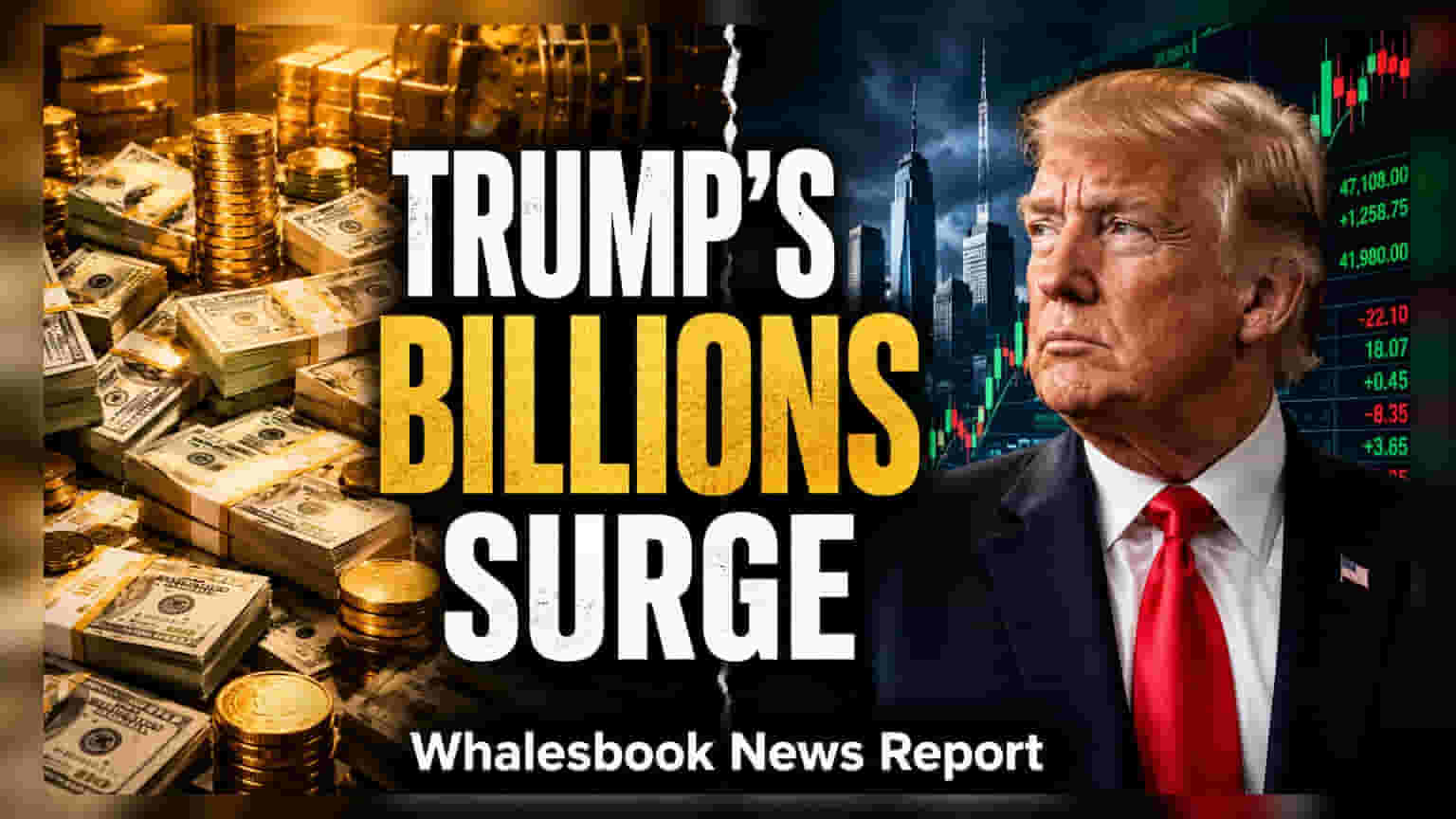
Donald Trump's financial disclosures for 2025 reveal personal assets valued at $858 million managed by major Wall Street firms including JPMorgan Chase, Charles Schwab, and UBS. The accounts reported over 21,000 transactions during the year, significantly higher than previous periods. While the accounts are described as fully discretionary, experts are highlighting potential compliance and regulatory sensitivities regarding the institutions overseeing these funds.
The latest financial disclosures for 2025 show that Donald Trump’s personal wealth has reached an estimated $858 million. These assets are being held and managed across eight primary investment accounts by prominent financial institutions such as JPMorgan Chase, Charles Schwab, UBS, and Stephens Inc. Among these, Charles Schwab appears to have a significant role, acting as custodian for accounts valued at approximately $465 million. Additionally, the filings indicate that Charles Schwab provided a credit line to the Trump Trust exceeding $50 million.
A notable change in the financial activity of these accounts is the volume of trading. In 2025 alone, the accounts recorded over 21,000 individual trades. This marks a substantial increase in activity compared to the roughly 500 trades reported throughout his entire first presidential term between 2017 and 2021. According to statements from the Trump Organization, these investments are handled through fully discretionary accounts. This means the external financial firms have the sole authority to make investment decisions, and the organization stated that automated direct-indexing strategies are employed to reduce the possibility of conflicts of interest.
The involvement of these major financial institutions has drawn attention from banking experts due to the nature of the relationship between a sitting president and the firms that fall under his regulatory authority. While there is no verified evidence of government policy being influenced by these financial ties or that specific investment actions were directed by Trump, the situation remains a point of interest for those monitoring regulatory compliance and institutional governance.
Adding to the complexity of these relationships, the disclosures highlight that investment activity involving JPMorgan Chase continued throughout 2025. This activity persisted even while Trump was publicly critical of the bank, alleging political bias and pursuing legal action against the institution. For investors and market observers, the primary point to track moving forward will be any further disclosures regarding these institutional mandates, potential updates on the credit lines provided, and how these firms manage the reputational and compliance challenges associated with overseeing the wealth of a high-profile political figure who exerts significant influence over the financial regulatory landscape.