

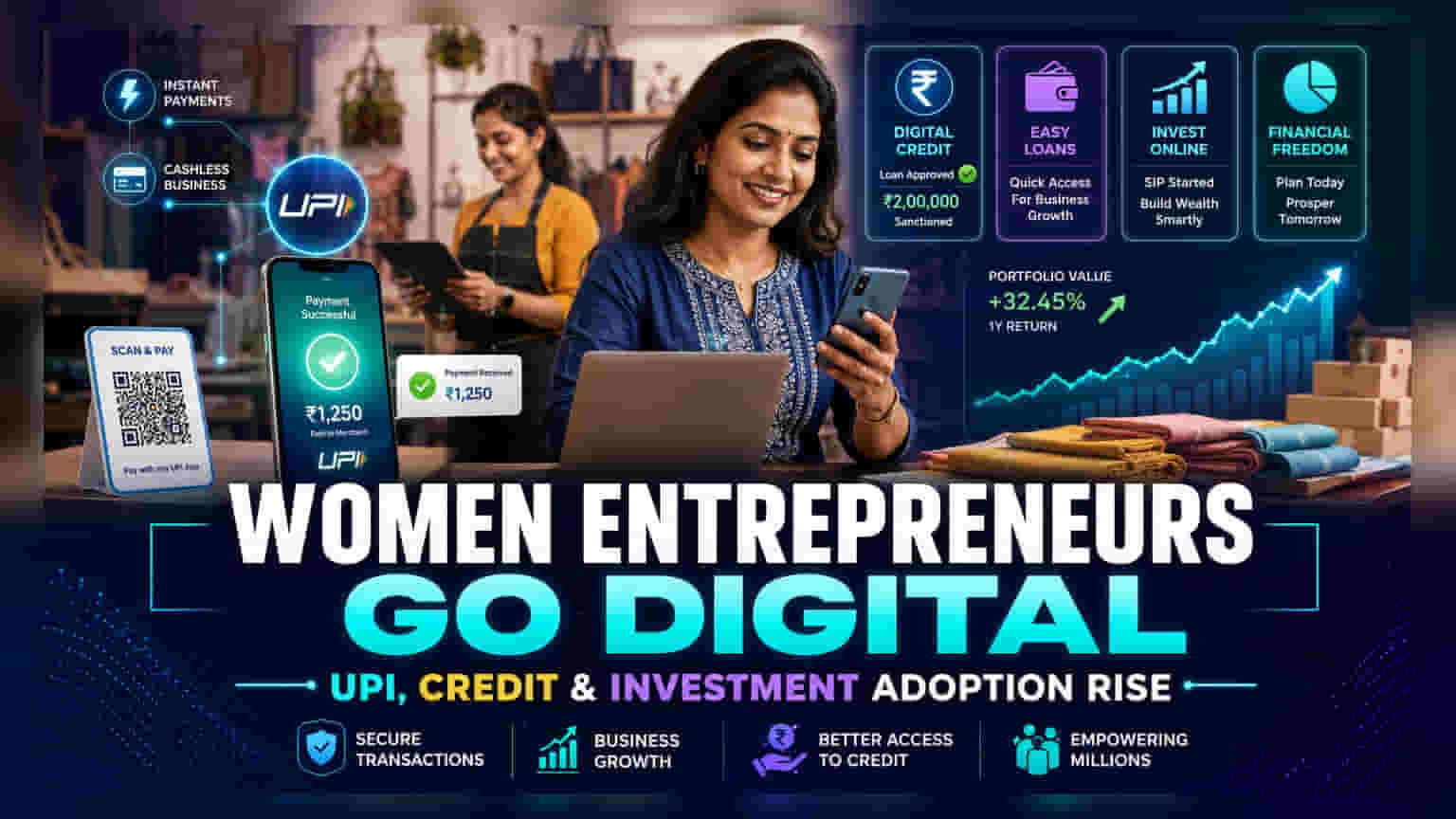
A DBS Bank India report highlights that 84% of women entrepreneurs in India now use digital payment tools, with UPI being the primary choice. The findings reveal a significant increase in the use of digital credit and investment platforms. This trend suggests growing market potential for financial service providers and fintech companies focusing on the women-led entrepreneurship segment.
What Happened
A new study by DBS Bank India, conducted in partnership with Deloitte Touche Tohmatsu India LLP, indicates that digital finance has become a core part of business operations for Indian women entrepreneurs. The report, which surveyed over 1,300 women across the country, found that 84% of these business owners actively use digital payment tools. Specifically, 72% of respondents reported using UPI, marking it as the most widely adopted payment method among this group.
The findings highlight that digital tools are moving beyond simple payments. A notable 38% of the women surveyed use digital platforms for loans and credit, while 29% use brokerage platforms for investment purposes. The study suggests that trust, ease of use, and accessibility are the primary drivers behind this shift toward digital financial management.
Why This Matters For Investors
For investors, this trend reflects a deeper change in how MSMEs (Micro, Small, and Medium Enterprises) and women-led businesses operate. As these entrepreneurs adopt digital tools for daily business activities—such as salary payments, marketing, and software procurement—they create a wider market for banks, non-banking financial companies (NBFCs), and fintech firms.
The increased reliance on credit platforms and brokerage services suggests that these entrepreneurs are becoming more comfortable with digital financial products. For financial service providers, this signals a potential increase in the demand for digital-first credit solutions and investment products tailored to this growing customer segment.
The Shift In Financial Habits
The study also noted that 50% of the female entrepreneurs surveyed frequently use credit cards, with travel rewards serving as a key benefit. This pattern indicates that these business owners are actively seeking financial products that offer value beyond basic transactions.
The shift toward using digital brokerage platforms, even among High-Net-Worth women, confirms that digital channels are increasingly seen as reliable avenues for wealth management and investment. This is a crucial observation for the brokerage and wealth management industry, which has been expanding its digital footprint to capture a wider investor base in Tier 2 and Tier 3 cities.
Broader Sector Context
This trend aligns with the broader growth of India's digital economy. The success of the UPI infrastructure has lowered the barrier to entry for digital financial services, allowing small business owners to manage cash flow more efficiently.
However, the financial sector continues to face challenges, such as the need for robust cybersecurity, data privacy, and the management of credit risks in the digital lending space. As more small business owners turn to digital credit platforms, the ability of financial institutions to maintain asset quality while expanding their digital loan books remains a critical factor for long-term health.
What Investors Should Track
Investors monitoring the banking, fintech, and brokerage sectors may watch for:
- Updates on digital adoption rates among women-led MSMEs.
- Growth in credit offtake via digital lending platforms.
- Trends in new account openings on digital brokerage platforms.
- Management commentary from banks and fintech firms regarding the 'women entrepreneur' segment.
- Any regulatory updates concerning digital lending and data protection that could impact how these companies serve the MSME segment.