

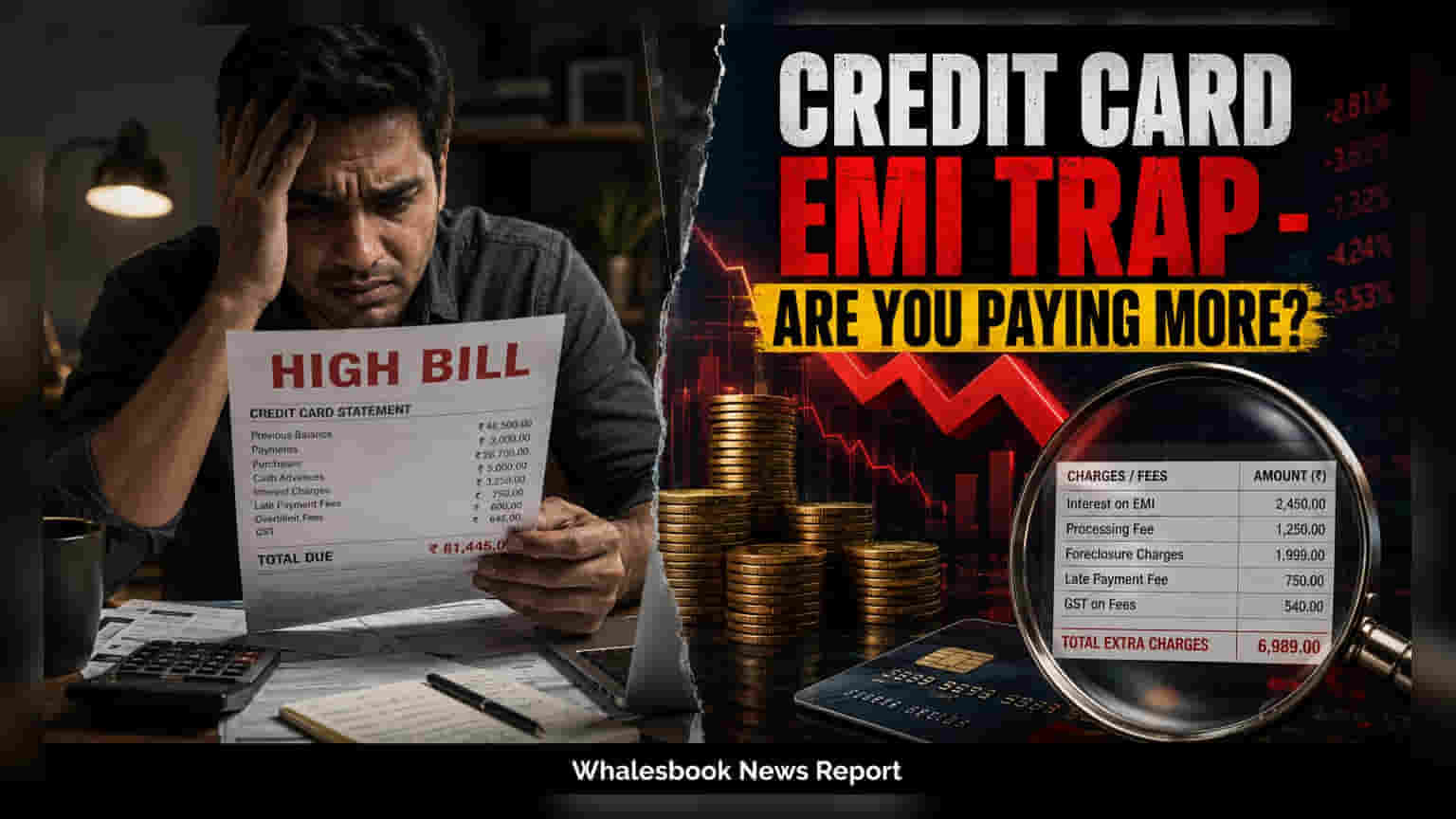
Converting large credit card purchases into EMIs often masks the true cost of debt. Beyond interest, users face processing fees and taxes that increase the total repayment amount. Understanding these hidden expenses and the impact on credit limits is crucial before opting for installment plans.
For many Indian credit card holders, converting a large purchase into Equated Monthly Installments (EMIs) is a popular way to manage cash flow. However, this convenience often comes at a price that goes beyond the advertised monthly payment. Financial experts and consumer reports consistently warn that these plans are rarely the cheapest way to make a purchase, as the total cost over time is usually significantly higher than paying in full upfront.
Understanding the Real Cost of EMI Debt
When a customer opts for an EMI plan, they are essentially taking a loan against their credit card. The interest rates charged on these plans can range significantly, often reaching high double-digit figures annually. This interest is not the only burden; banks and financial institutions frequently levy processing fees, which may be a flat charge or a specific percentage of the total transaction value. Additionally, Goods and Services Tax (GST) is applied to both the interest component and the processing fees, further inflating the final amount the customer repays.
Why No-Cost EMI Offers Require Caution
Marketing campaigns often highlight 'no-cost EMI' options, suggesting that the customer pays only the original price of the product over several months. Investors and consumers should note that these offers are sometimes subsidized by merchants or come with hidden administrative costs. Even if interest is waived, processing fees and tax levies often remain. It is standard practice for the card issuer to disclose these charges in the fine print of the loan agreement, yet many consumers overlook these terms in favor of the lower monthly payment figure.
Impact on Credit Limits and Spending Habits
Beyond the direct monetary cost, converting purchases to EMIs directly reduces the available credit limit on a card. The entire principal amount of the purchase is typically blocked against the card's total credit limit, which can prevent the user from making other necessary transactions. This reduction in available credit remains until the principal is paid down, effectively limiting the cardholder's financial flexibility.
Furthermore, the psychological ease of paying in smaller monthly chunks can lead to an accumulation of multiple EMI plans. This habit, if not managed alongside a strict budget, can quickly turn into a cycle of debt where new purchases and ongoing installment payments become difficult to sustain. Card issuers may also charge foreclosure fees if a user chooses to close an EMI plan earlier than the agreed-upon tenure, adding another layer of potential cost. Before committing to these plans, consumers are encouraged to assess the total amount payable over the full duration of the loan rather than focusing solely on the monthly installment amount.