

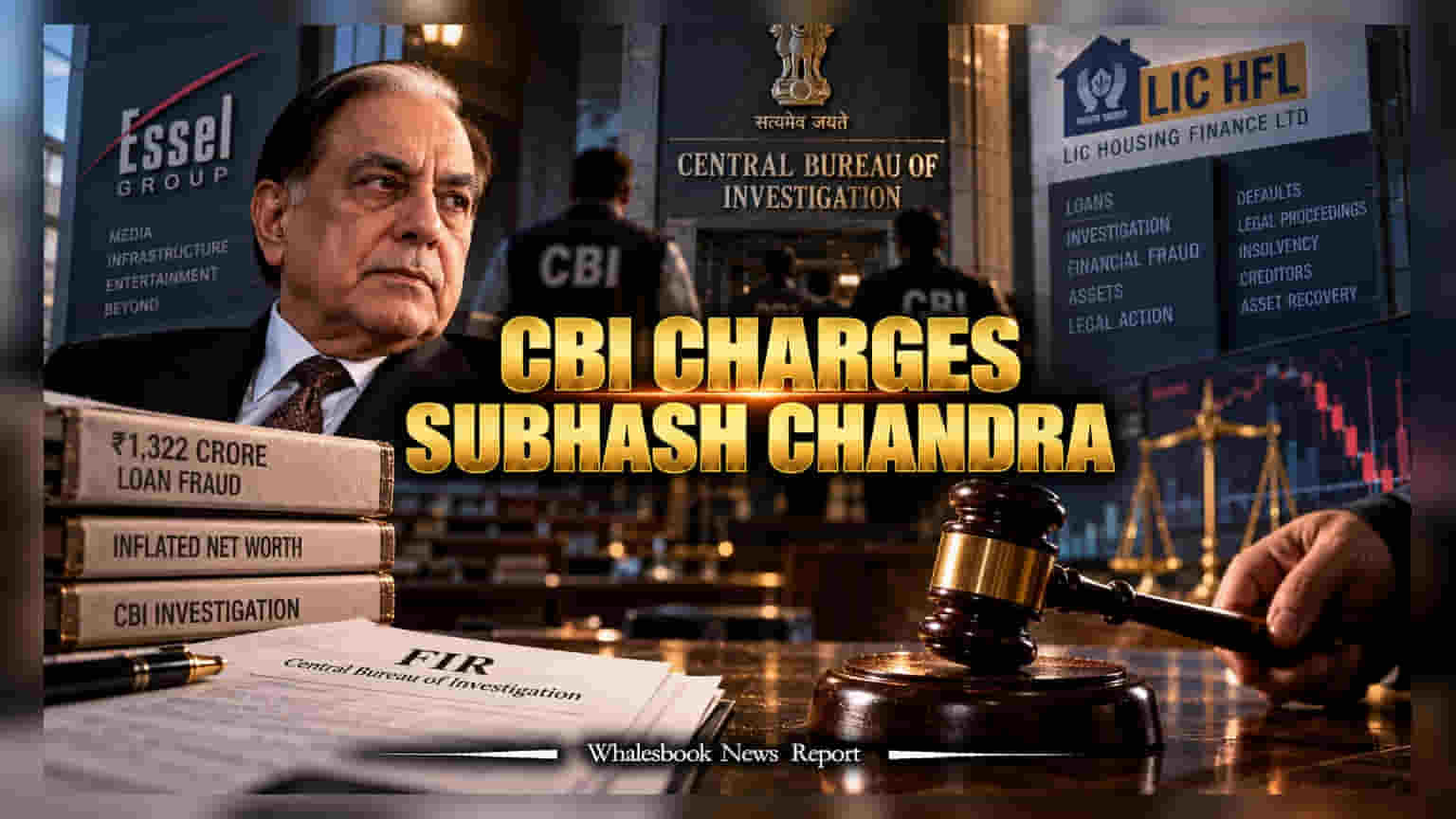
The Central Bureau of Investigation has registered an FIR against Essel Group Chairman Subhash Chandra for allegedly defrauding LIC Housing Finance of ₹1,322 crore. The case involves claims of using inflated net-worth documents to secure loans, adding legal pressure to his ongoing personal insolvency proceedings at the NCLT.
The Central Bureau of Investigation has formally registered a case against Essel Group Chairman Subhash Chandra, along with three others, regarding an alleged fraud involving LIC Housing Finance Ltd. The agency’s investigation follows a complaint related to loans worth ₹1,322 crore that were extended to entities associated with the Essel Group. The FIR, filed following an initial complaint in late August, marks a significant escalation in the legal challenges facing the business leader.
According to the investigation details, the core of the dispute involves credit facilities totaling approximately ₹980 crore sanctioned in 2018. The agency alleges that these loans were secured by providing inflated net-worth certificates, with documents purportedly claiming personal wealth exceeding ₹59,000 crore in 2017. Investigators suggest these figures were misrepresented to meet the lending criteria of the financial institution. The total claim now stands at ₹1,322.39 crore, accounting for the principal amount and accumulated interest following the subsequent loan defaults.
The criminal investigation by the CBI runs parallel to contentious personal insolvency proceedings currently underway at the National Company Law Tribunal. In these proceedings, creditors have filed claims totaling roughly ₹22,006 crore against the chairman. A five-member bench at the tribunal recently stayed a previous order that had permitted a repayment plan of ₹6.25 crore. This development highlights the growing divide between the debtor’s proposed settlement and the recovery expectations of financial institutions.
The involvement of federal investigators creates further uncertainty for stakeholders involved in the debt resolution process. Beyond the potential for criminal liability, the legal developments may complicate the NCLT’s efforts to resolve the insolvency case, especially concerning asset disposal and verification of net worth. Courts have also previously issued orders restraining the alienation of assets, a measure intended to protect the interests of creditors while legal processes remain ongoing.
For investors and creditors, the primary monitorables remain the progress of the CBI investigation and the upcoming hearings at the National Company Law Tribunal. Future updates on whether the tribunal allows for more aggressive asset recovery or if the criminal proceedings lead to further restrictions on the accused will be critical in assessing the final outcome of these debt claims.