 Whalesbook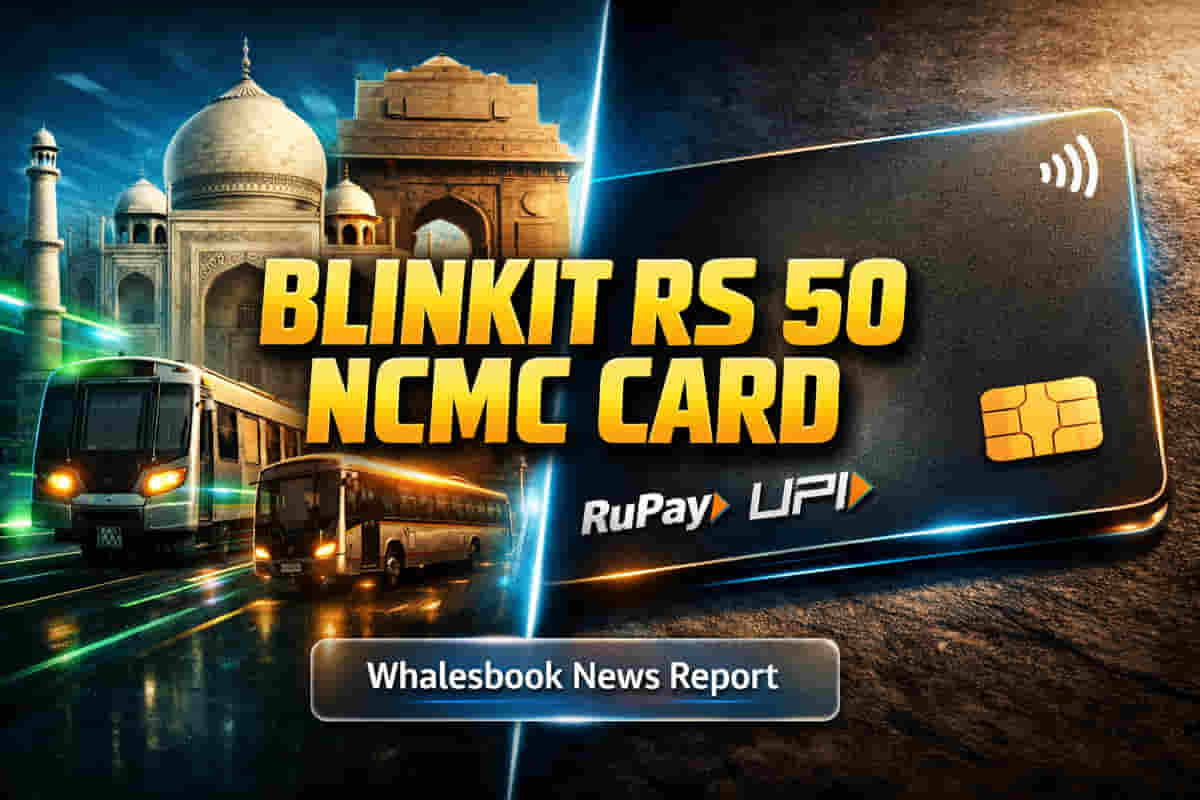
THE SEAMLESS LINK
This strategic move by Blinkit into the mobility payments sector signifies a broader trend of quick commerce platforms expanding their service offerings beyond immediate delivery needs. By integrating the NCMC Bharat Yatra Card, Blinkit is tapping into the massive urban transportation market, aiming to streamline commutes through a unified payment system. The initiative leverages existing infrastructure, such as RuPay and UPI, to offer an accessible and convenient solution for millions of daily commuters, underscoring a shift towards integrated digital financial services facilitated by rapid delivery networks.
The Mobility Payments Play
Blinkit's introduction of the Rs 50 NCMC Bharat Yatra Card represents a direct foray into India's burgeoning transit payments ecosystem. This initiative is designed to eliminate the need for multiple city-specific transit cards by providing a single, interoperable RuPay-enabled solution. Enabled by Pine Labs, the card's zero-KYC activation and instant UPI top-up functionality address key friction points for commuters. Deliveries are commencing in major hubs like the National Capital Region, Bengaluru, Mumbai, Chennai, and Ahmedabad, directly utilizing Blinkit's rapid delivery network. This strategy allows for immediate accessibility, positioning Blinkit as a provider of essential mobility tools rather than just consumer goods.
Fintech's Expanding Frontier
The launch builds on a precedent set by similar collaborations, notably Pine Labs' earlier partnership with Flipkart in October 2025 to launch a 'Flipkart Bharat Yatra Card'. This indicates a growing interest from e-commerce and quick commerce entities in capturing a share of the transit payment market. The NCMC framework itself, conceptualized as 'One Nation, One Card', aims to consolidate India's fragmented transit payment infrastructure. The widespread adoption of UPI, a real-time payment system processing billions of transactions monthly, provides a robust foundation for such integrated financial products. RuPay, owned by the National Payments Corporation of India (NPCI), further ensures a domestic, interoperable network.
Market Context and Zomato's Position
Blinkit, a subsidiary of Zomato, operates within India's highly competitive quick commerce market, where it holds an estimated 41% market share. Zomato, as a whole, is a significant player in India's digital economy, boasting a market capitalization of approximately ₹2,49,606 crore as of January 26, 2026. The company's P/E ratio stands at approximately 293, reflecting a high valuation typical of growth-oriented tech companies. The push for digital transit solutions aligns with government initiatives promoting cashless transactions and financial inclusion. The daily ridership in India's metro systems alone exceeded 10 million in early 2025, highlighting the substantial user base for such payment cards. This strategic diversification by Blinkit, into essential services delivered via its core logistics, aims to embed itself further into the daily lives of urban consumers.