

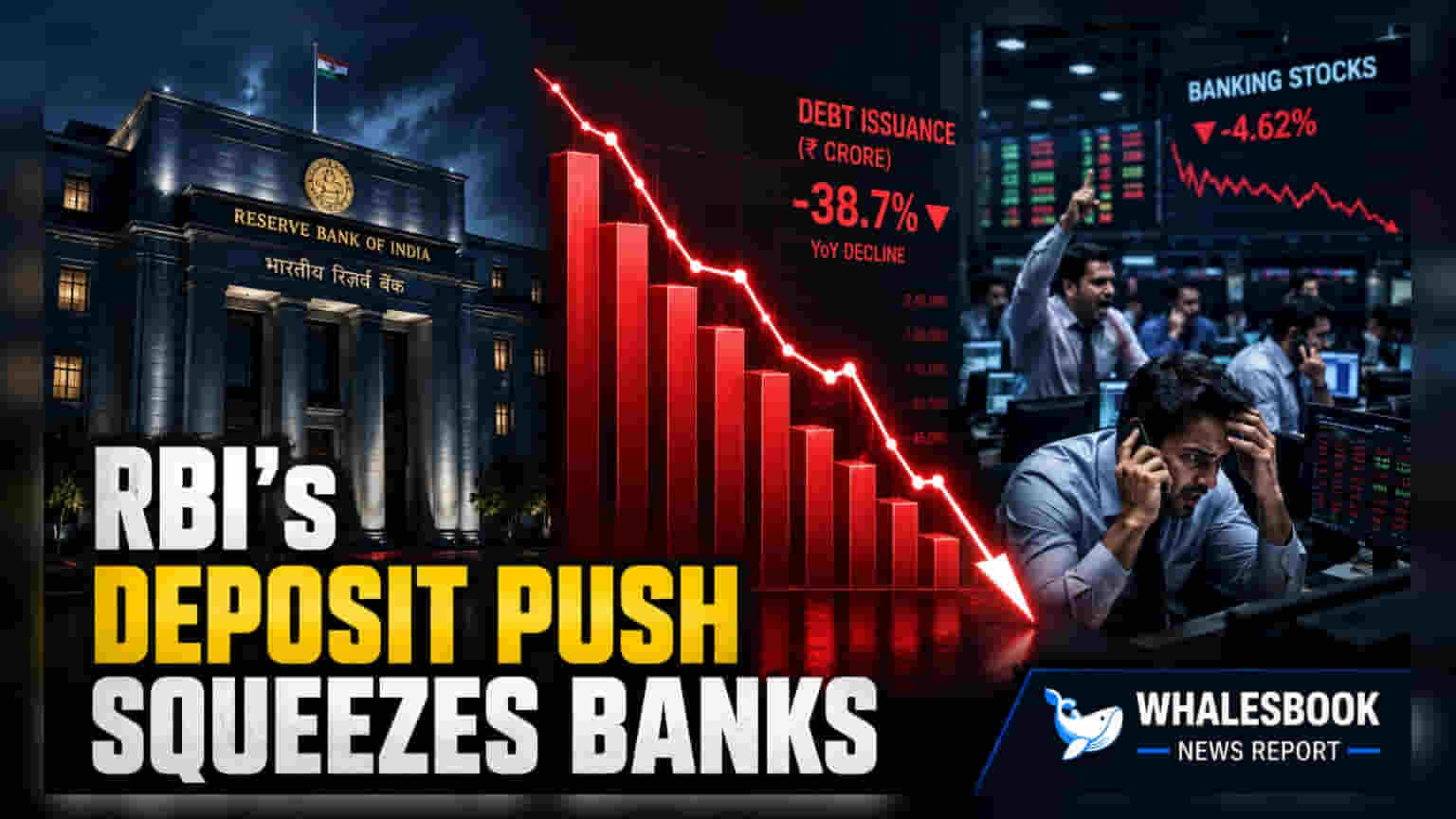
Indian banks have significantly lowered the issuance of certificates of deposit as cheaper foreign-currency deposits become available. This shift in funding strategy, supported by RBI's hedging cost absorption, is reducing the need for expensive domestic short-term borrowing.
Indian commercial banks have sharply reduced their reliance on short-term debt instruments, specifically certificates of deposit (CDs), as they pivot toward cheaper foreign-currency funding options. In the opening days of July, financial institutions have largely paused new CD issuances, moving away from a primary source of short-term liquidity that was heavily utilized during the first half of the year.
Impact of RBI Policy on Funding Costs
The Reserve Bank of India’s decision to cover hedging costs for banks raising foreign currency has changed the cost dynamics of bank funding. This initiative is designed to encourage an influx of foreign capital, with expectations of over $50 billion entering the system. For banks, this provides a more stable and cost-effective alternative to domestic CDs, which were frequently used to bridge the gap between rapid loan growth and slower domestic deposit mobilization.
The impact on borrowing costs is already visible in the market. The interest rate on one-year certificates of deposit has fallen to 6.84% as of early July, down significantly from the two-year high of 7.96% observed in May. Market participants anticipate that this trend of lower issuance and stable rates may persist through the September quarter as banks prioritize these new foreign-currency inflows.
Strategic Shift in Bank Treasuries
Banks are viewing these foreign-currency deposits as a long-term, stable component of their balance sheets compared to the transient nature of short-term CDs. Leading institutions like Axis Bank have indicated intentions to leverage these diaspora-backed funds to replace higher-cost domestic liabilities. While this shift reduces immediate reliance on the domestic debt market, the volume of CD issuance is expected to remain muted through August and September.
Historically, banks would aggressively tap the CD market to strengthen liquidity buffers ahead of quarter-end deadlines. However, data from The Clearing Corporation of India shows a clear cooling effect, with issuance in the latter half of June dropping by approximately 19% compared to the same period in the previous year. While this reduces interest expenses for banks, the secondary effect is a lower supply of short-term investment paper for money market investors.
The next important update for market observers will be the trend in overall liquidity levels. While foreign inflows are currently providing support, any future move by the central bank to withdraw excess liquidity from the system could prompt banks to return to the domestic CD market, potentially causing borrowing rates to rise again from September onwards.