

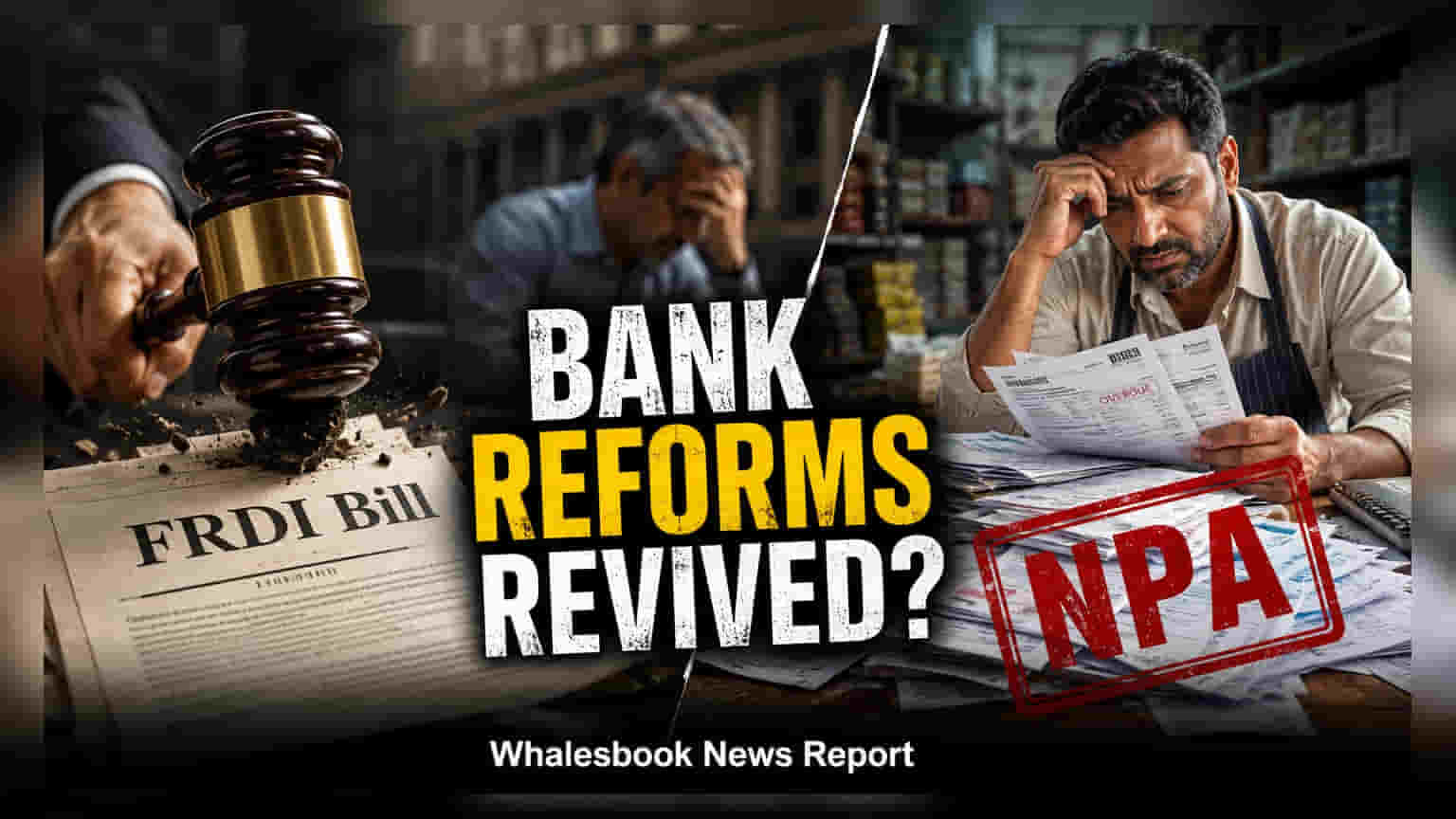
Indian banking resolution mechanisms and NPA classification for small businesses remain critical areas for policy discussion. While market speculation occasionally resurfaces regarding the potential revival of older legislative frameworks like the FRDI Bill, there is no official government confirmation of any such proposal. Investors continue to monitor official channels for banking reform updates.
The Indian financial sector continues to evolve, with ongoing discussions focused on strengthening banking resolution frameworks and simplifying non-performing asset (NPA) management for small and medium-sized enterprises (SMEs). In recent market discourse, the topic of reviving the Financial Resolution and Deposit Insurance (FRDI) Bill and implementing new NPA norms has occasionally resurfaced. However, it is essential for investors to note that there has been no official notification or government confirmation regarding the reintroduction of the FRDI Bill or specific changes to NPA classification rules at this time.
Historical Context of the FRDI Bill
The FRDI Bill was originally introduced in Parliament in 2017 with the goal of creating a robust mechanism to manage the failure of financial institutions, including banks and insurance companies. A key element of the original proposal was the "bail-in" clause, which sparked widespread public concern that depositors' funds could be used to recapitalize failing banks. Due to these concerns, the government withdrew the bill in 2018. Since then, the conversation around the need for a modern resolution framework has persisted among policy experts and financial analysts, as India seeks to handle financial distress without relying solely on taxpayer-funded bailouts or prolonged liquidation processes.
Addressing SME NPA Management
Another significant area of policy interest involves the classification and resolution of NPAs within the SME sector. Small businesses often face different challenges compared to large corporations when dealing with repayment stress. Analysts and industry bodies frequently discuss the need for a differentiated approach, such as restructuring options or extended repayment timelines for viable businesses facing temporary cash flow issues. The goal of such frameworks is to support credit flow to the SME sector while maintaining the asset quality of banks. While these concepts are frequently debated in policy circles, any concrete change would require official guidelines from the Reserve Bank of India (RBI) or the Ministry of Finance.
Investor Perspective and Monitorables
For investors, distinguishing between market speculation and official policy is crucial. Unverified reports regarding legislative changes can sometimes lead to short-term market volatility. Official updates on banking reforms are typically communicated through press releases from the Ministry of Finance, notifications from the Reserve Bank of India, or formal exchange filings by regulated entities.
Investors are advised to focus on official regulatory disclosures, quarterly bank results, and official policy announcements to gauge the direction of banking reforms. The long-term stability of the financial sector remains a priority, and any significant shift in resolution frameworks or NPA norms will be preceded by official consultations and public documentation.