 Whalesbook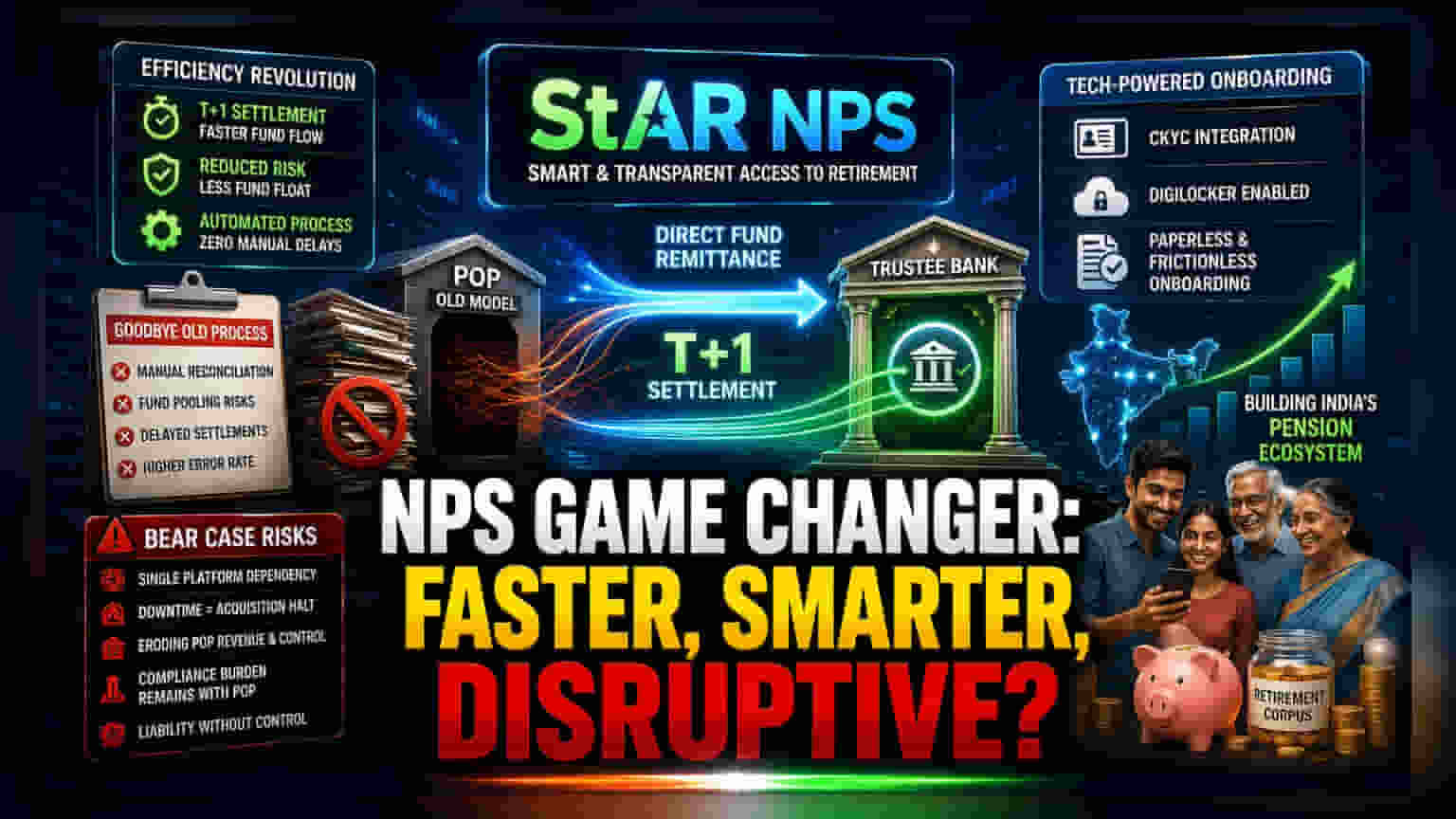


The Efficiency Pivot
The introduction of the StAR NPS interface represents a significant architectural shift in how India’s pension capital is mobilized. By enabling direct fund remittance to the Trustee Bank, the platform effectively excises the manual reconciliation bottlenecks that have historically plagued Point of Presence (PoP) entities. This transition to a T+1 settlement cycle is less about consumer convenience and more about systemic risk reduction, as it minimizes the window for fund pooling irregularities that regulators have scrutinized over previous fiscal cycles.
The Technological Undercurrent
BSE Technologies, as the infrastructure provider, occupies a strategic position in this ecosystem. By integrating CKYC and DigiLocker directly into the onboarding flow, the platform creates a frictionless pipeline that stands in stark contrast to the fragmented digital journeys offered by various private banks. This centralizing move places immense pressure on smaller PoPs that have historically relied on manual KYC fees and float income. Competitors in the distribution space must now contend with a platform that effectively commoditizes account opening, forcing a re-evaluation of their value-added services beyond mere compliance and registration.
The Forensic Bear Case
While the platform promises speed, it introduces structural reliance on a single technological backbone. Any technical latency or downtime within the BSE-managed infrastructure creates an immediate halt to new subscriber acquisition across the network. Furthermore, while the current fee structure of Rs 200 remains static for the subscriber, the underlying economics remain precarious for PoPs. These intermediaries are now tasked with absorbing the costs of utilizing the platform while seeing their control over fund flow—and by extension, their ability to cross-sell secondary financial products—eroded. From a regulatory standpoint, the shift in accountability remains a point of friction; while the technology is centralized, the compliance burden for client verification remains legally tethered to the PoP, creating an environment where intermediaries bear the liability of a process they no longer fully control.
Market Outlook and Strategic Implications
The rapid digitization of the NPS ecosystem aligns with broader institutional efforts to expand the retirement corpus. However, the exclusion of corporate subscribers and NRIs in this initial rollout suggests a tiered adoption strategy that may not yield immediate bottom-line impact for major market participants. Investors should monitor whether the PFRDA expands this direct-to-bank mechanism to the corporate segment, as such a move would signal the total disruption of traditional distribution channels for pension products.