

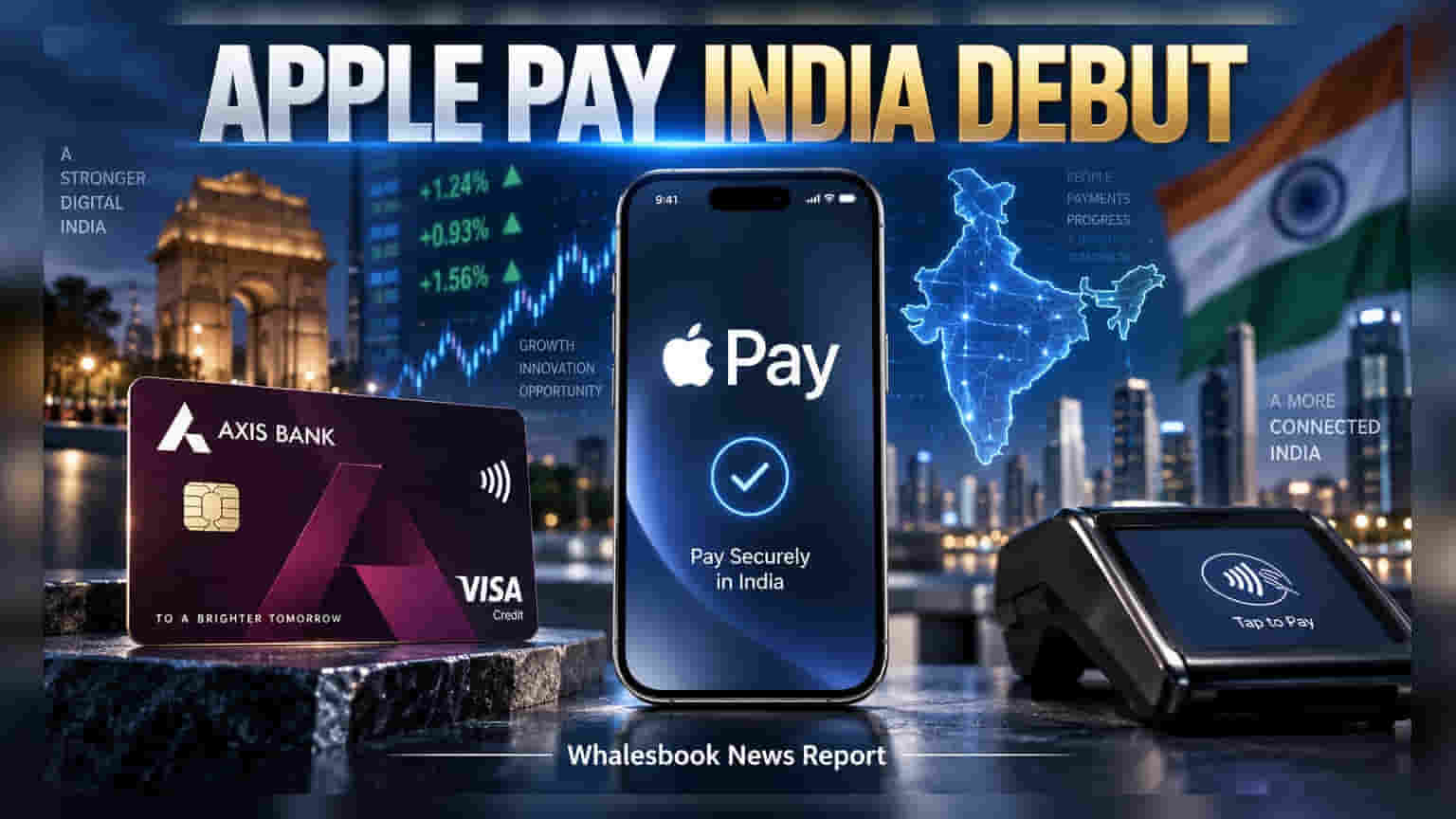
Apple is set to roll out its contactless payment service in India this October, starting with a partnership with Axis Bank for credit card users. While the move targets Apple's growing premium user base, it faces a tough challenge from the dominant UPI ecosystem. The company plans a phased rollout as it navigates ongoing commercial talks with other private lenders.
Apple is preparing to enter the Indian digital payments market this October, launching its contactless payment service in partnership with Axis Bank. This move will allow iPhone users in India to use their credit cards for secure, tap-to-pay transactions, marking a significant step in the company's regional financial strategy. The launch follows a period of growth for the company, with Apple’s smartphone market share in India doubling to 8% since 2022.
The launch relies on regulatory changes made by the Reserve Bank of India, which now permits biometric authentication for card transactions. This policy shift enables Apple to integrate Face ID and Touch ID as secure verification methods for its tokenized payments. By utilizing this technology, Apple aims to offer a seamless experience that aligns with its global payment standards while adhering to local security requirements.
Despite the brand's premium positioning, Apple faces a highly competitive environment. The Indian digital payments market is currently dominated by the Unified Payments Interface, which accounts for approximately 84% of digital transaction volume. Most of this volume is driven by QR code-based transfers, which are widely accepted at small and large merchants alike. In contrast, Apple’s contactless system requires NFC-enabled point-of-sale terminals, which may limit its immediate reach compared to the ubiquitous UPI apps.
Apple is reportedly looking to expand its reach beyond the initial partnership with Axis Bank. However, negotiations with other major private lenders, such as HDFC Bank and ICICI Bank, have reportedly faced hurdles. Disagreements over commercial terms have temporarily paused these discussions, suggesting that Apple will likely follow a cautious, bank-by-bank integration strategy rather than a nationwide launch with all major players simultaneously.
For users and investors, the key monitorable will be the adoption speed of NFC-enabled terminals by merchants and whether Apple can resolve its commercial discussions with other large banks to broaden the card network. This service is designed to strengthen ecosystem engagement for premium smartphone users, and its success will depend on both consumer preference for tap-to-pay and the expansion of the underlying terminal infrastructure across the country.