

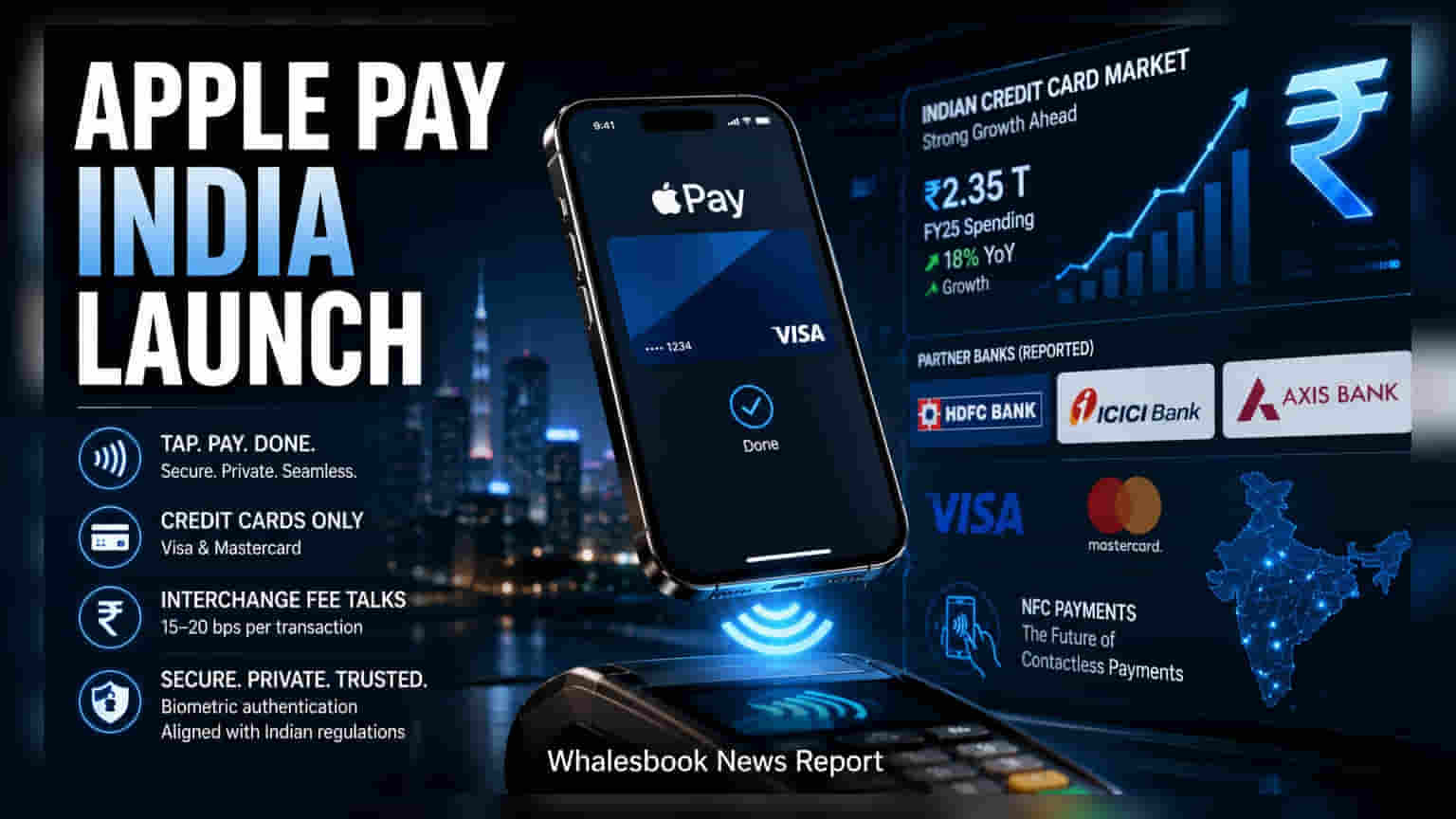
Apple is preparing to launch its contactless payment service in India by October 2026, focusing on credit card transactions rather than UPI. By leveraging Visa and Mastercard networks, Apple aims to generate revenue through interchange fees, a move that has initiated high-stakes negotiations with major domestic banks including HDFC, ICICI, and Axis.
Apple is expected to launch its contactless payment system in India this October. The tech giant is reportedly focusing its entry on the credit card market, allowing iPhone and Apple Watch users to make tap-to-pay transactions using Visa and Mastercard credentials. This strategy marks a clear departure from the country's most popular digital payment method, the Unified Payments Interface, commonly known as UPI.
The move toward credit cards appears to be a calculated business decision. In India, UPI transactions are currently free for merchants, meaning they do not generate direct transaction fees. By prioritizing credit cards, Apple is attempting to create a revenue stream through interchange fees—a standard fee paid by merchants to banks for processing card payments. Reports suggest Apple is seeking a share of 15 to 20 basis points per transaction, which is currently the subject of intense negotiations with major domestic card issuers including HDFC Bank, ICICI Bank, and Axis Bank.
For the banking sector, this creates a complex scenario. While partnering with a major technology brand could drive premium customer engagement and transaction volumes, banks must weigh the potential loss of a portion of their interchange revenue. If banks agree to share these fees, it could slightly lower the profitability of credit card transactions for them. Investors may monitor how these fee structures are finalized, as they will determine the long-term commercial viability of the partnership for both the technology giant and the financial institutions involved.
From a competitive standpoint, Apple’s choice to bypass UPI means it will not directly challenge the existing dominance of platforms like PhonePe and Google Pay, which command a vast majority of India's digital transaction volume. However, the success of Apple Pay will rely on the availability of NFC-enabled point-of-sale terminals, which are currently more common in premium retail outlets and urban centers than in smaller shops. This physical infrastructure requirement could limit the immediate reach of the service compared to QR-code-based payments.
Several factors remain to be resolved before the service reaches consumers. Apple must navigate technical and regulatory requirements, particularly regarding biometric authentication protocols mandated by local regulators to ensure data security. The company is reportedly working to align its security standards with those of the National Payments Corporation of India and other regulatory bodies. The most important updates for market observers will be the finalization of partnership terms with these banks and the official confirmation of the service rollout date.