

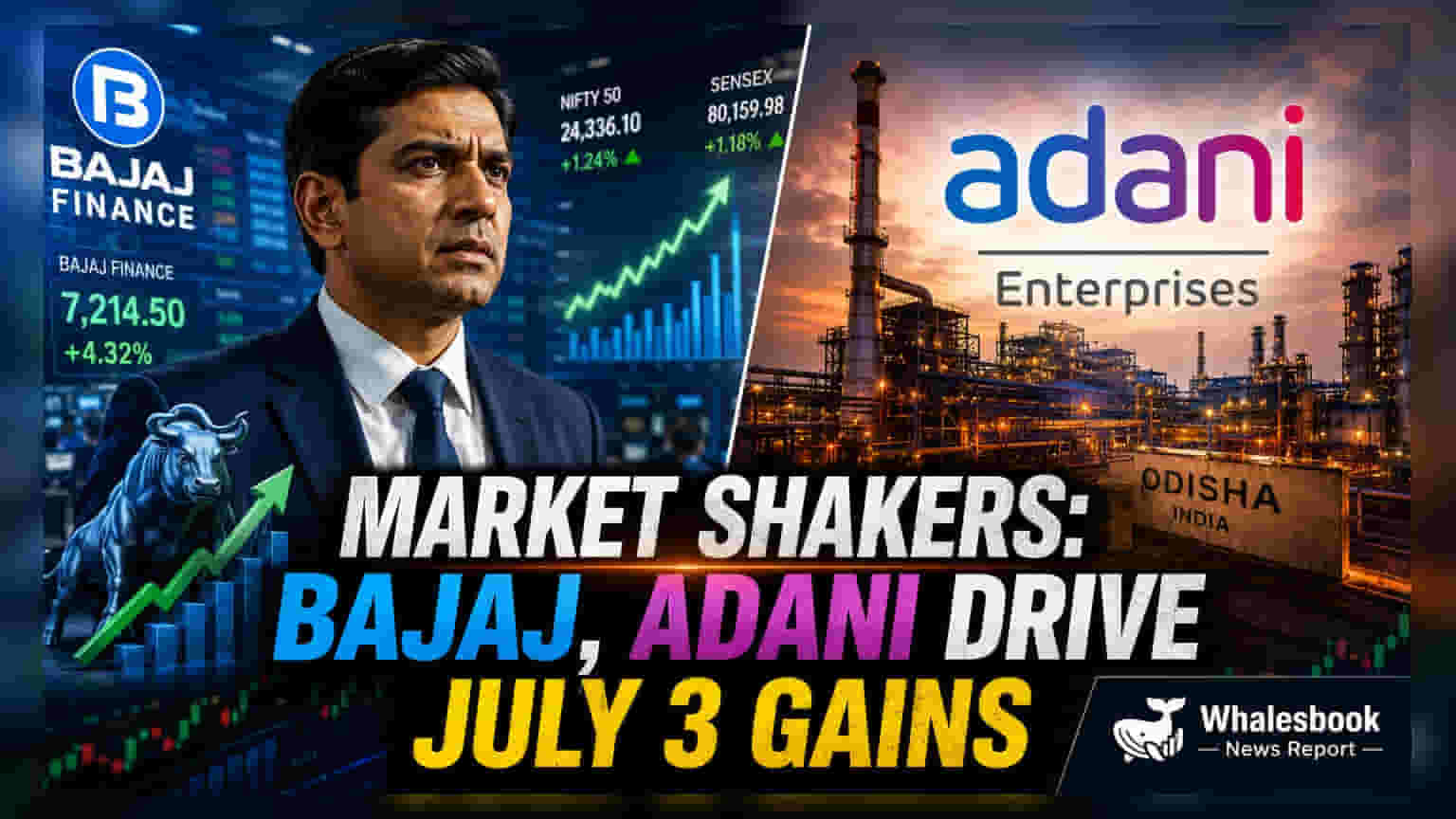
Adani Enterprises has partnered with International Resources Holding to build an $11.5 billion greenfield aluminum project in Odisha. The venture, which includes an alumina refinery and a smelter, marks a significant push into India's metals and manufacturing sector. Investors may track project timelines and funding structures as the company expands its industrial footprint.
What Happened
Adani Enterprises has entered into a strategic partnership with Abu Dhabi-based International Resources Holding (IRH) to develop a massive, $11.5 billion integrated aluminum project in Odisha. This project is set to be a greenfield venture, meaning it will be built from the ground up. The scope includes establishing an alumina refinery, an aluminum smelter, and a dedicated manufacturing park. This agreement represents one of the largest industrial investments announced in the Indian metals space, reflecting a major expansion strategy for Adani Enterprises’ existing industrial portfolio.
Why This Matters For Investors
The project signals a major shift toward large-scale manufacturing for Adani Enterprises. By entering the aluminum value chain, the company is positioning itself to benefit from the growing domestic demand for metals in sectors like infrastructure, renewable energy, and electric vehicles. For investors, the primary monitorable will be the company’s capital allocation strategy. An investment of this size requires significant financial planning, and tracking how the company balances this spending with its debt levels and existing business operations will be essential.
The Business Reality Check
Adani Enterprises operates as an incubator for new businesses. Historically, the company has successfully scaled infrastructure projects, but large-scale aluminum refining and smelting involve complex technology and significant operational execution. Investors should note that projects of this magnitude often face long lead times for environmental clearances, land acquisition, and the setting up of power infrastructure, which is crucial for smelting operations. Any delays in the project timeline could impact the return on investment.
Financial And Execution Risks
While the partnership with International Resources Holding may help share the financial burden, such massive projects inherently carry execution risks. The aluminum industry is capital-intensive and cyclical, meaning its profitability is often tied to global metal prices and the cost of raw materials like bauxite and power. If global aluminum prices fluctuate or if production costs rise, it could put pressure on profit margins. Investors should also watch for updates on how much of this $11.5 billion will be funded through debt and how that might affect the company's consolidated balance sheet in the coming years.
What Investors Should Track
Moving forward, the key updates to monitor will be the official project timeline, including the date for the commencement of construction and the expected commissioning phase. Investors may also want to look for details regarding the specific funding mix between the partners and any potential impact on the company’s leverage ratios. Furthermore, updates on regulatory approvals and land allotment from the Odisha state government will be critical indicators of the project's progress.