 Whalesbook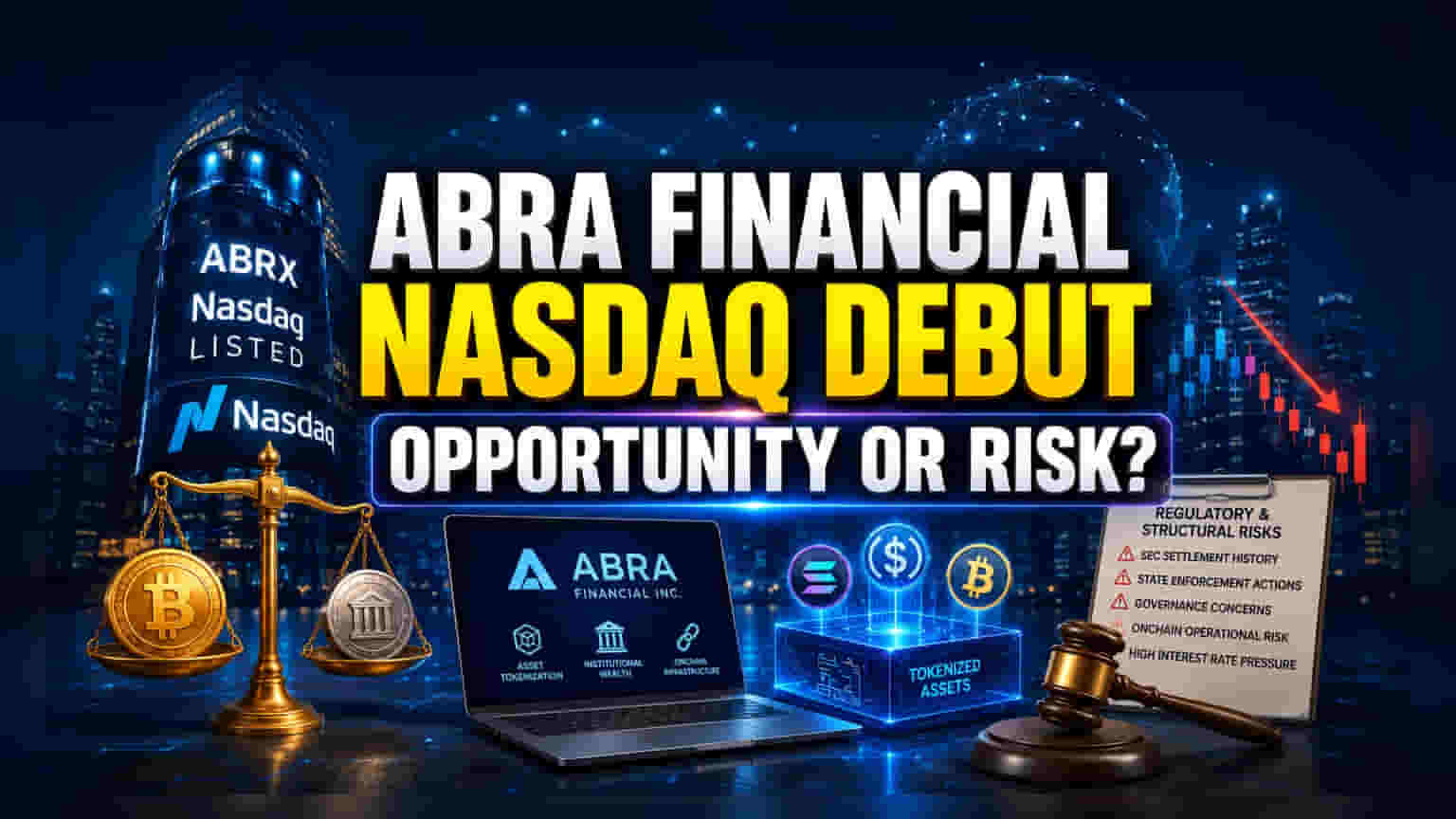


The Valuation and the Vehicle
Abra Financial Holdings is moving to secure a public listing on the Nasdaq through a business combination with New Providence Acquisition Corp. III. The deal, which values the combined entity at $750 million, aims to rebrand the company as Abra Financial Inc. under the ticker ABRX. While the merger agreement highlights a strategic transition toward onchain asset tokenization and institutional wealth management, the transaction arrives at a time when the broader SPAC market remains under intense scrutiny. Recent historical performance of post-merger SPACs frequently shows significant valuation compression, with a large majority of de-SPAC entities trading well below their initial trust values within the first year of operations.
The Strategic Pivot
Under the leadership of CEO Bill Barhydt, the firm is aggressively positioning itself at the intersection of traditional finance and decentralized infrastructure. The core operations now rely on Abra Capital Management, an SEC-registered investment adviser, and the AbraFi subsidiary. The latter is focused on developing yield-bearing products on the Solana blockchain, such as the USDAF stablecoin and the upcoming BTCAF bitcoin-backed yield asset. Barhydt argues that the institutional appetite for tokenized real-world assets is the next dominant force in wealth management, effectively attempting to pivot the firm away from the pure speculative crypto-trading models that defined its earlier years.
Structural and Regulatory Risks
Investors looking at the ABRX listing must weigh the company’s ambitious roadmap against a complex history of regulatory friction. In 2024, the firm settled charges with the Securities and Exchange Commission regarding the unregistered offer and sale of retail crypto lending products, specifically the Abra Earn program. This settlement followed a string of enforcement actions initiated by various state regulators in 2023, which included allegations that the company had been insolvent and had concealed financial information regarding its capitalization and loan defaults. While the firm has since shuttered the disputed programs and returned the majority of customer assets, these historical findings remain a critical concern regarding corporate governance and transparency. Furthermore, unlike institutional-grade financial competitors that carry robust, transparent balance sheets, the company’s reliance on complex, onchain yield structures introduces operational risks that remain largely untested in a high-interest-rate environment.
The Future Outlook
The ultimate success of the Nasdaq debut remains heavily dependent on SEC approval, a hurdle that has become increasingly difficult to clear for crypto-native firms attempting to enter public markets. While the firm claims to be onboarding institutional clients and expanding its registered investment adviser services, the persistent shadow of past enforcement actions may complicate its ability to capture mainstream investor confidence. Analysts remain divided on whether tokenization can offset the structural headwinds facing former high-growth crypto lenders, leaving the potential ABRX equity as a speculative play on the long-term adoption of onchain financial rails.