

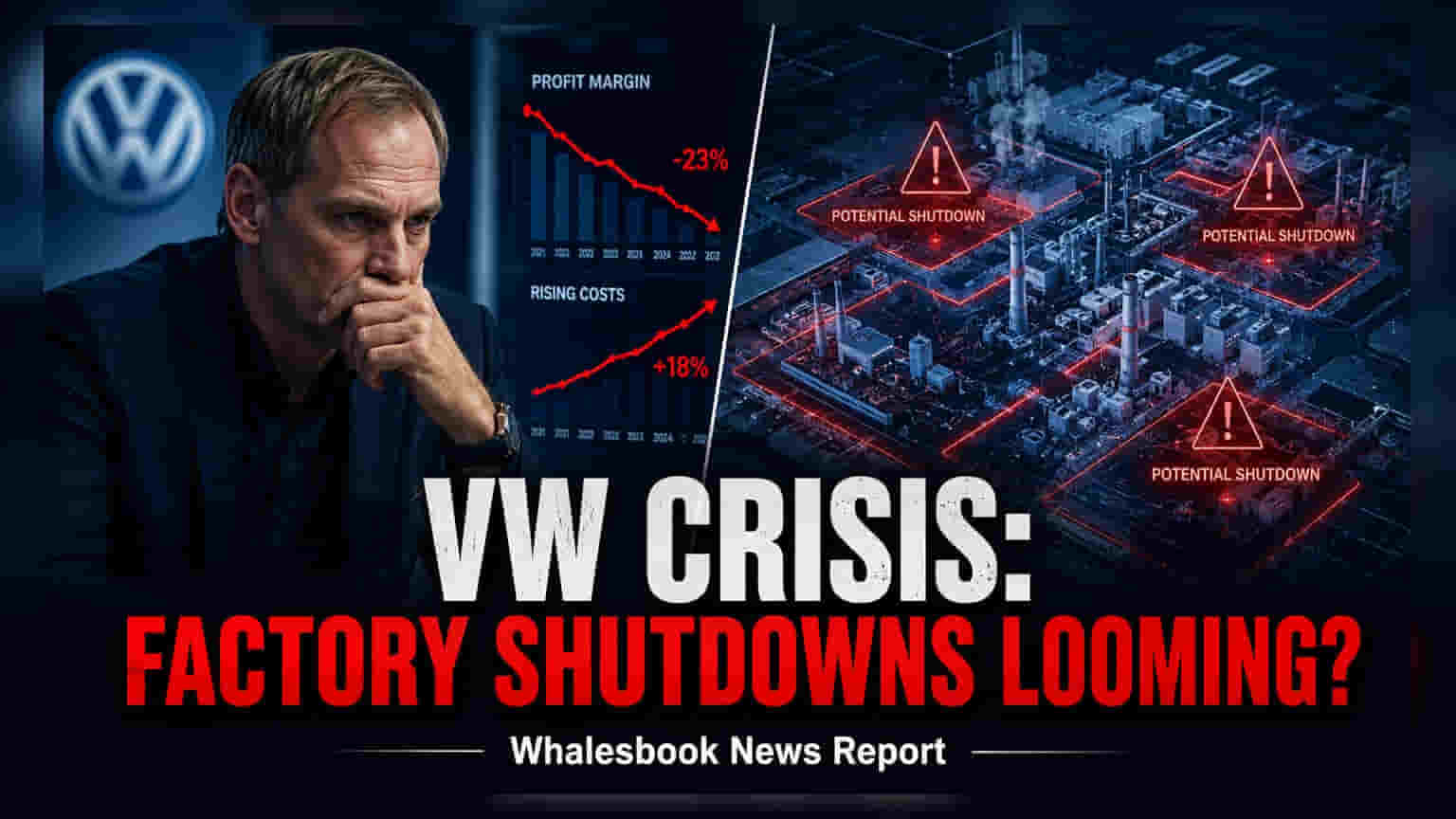
Volkswagen CEO Oliver Blume is implementing deep cost-saving measures to avoid shutting down German factories. The automaker plans to streamline its vehicle lineup by nearly 50% to improve profit margins amid intense global competition. Investors are tracking these efficiency efforts as the company balances high operational expenses with the need for better earnings on its popular car models.
Volkswagen is navigating a challenging period as it seeks to maintain its manufacturing footprint in Germany while simultaneously addressing profitability concerns. CEO Oliver Blume has confirmed that the company is actively pursuing operational restructuring to avoid closing domestic plants. This strategy follows a period of intense pressure, particularly as the automaker faces stiff competition from local and international rivals in the critical Chinese market.
Strategic Realignment and Model Consolidation
To improve financial health, Volkswagen is initiating a significant overhaul of its product portfolio. The company intends to cut its total number of vehicle models by as much as 50%. By reducing complexity in its production lines and focusing resources on its most profitable and popular vehicles, the manufacturer aims to generate higher returns per unit sold. This move is part of a broader push to manage expenses across all departments, reflecting the management's view that current profit margins are insufficient given the strength of the brand's product appeal.
Building on Operational Efficiencies
The company’s push for efficiency is not entirely new. Last year, the group successfully improved its German factory costs by an average of 20%. Management is now looking to scale these types of operational savings further. The primary focus is to ensure that the cost base remains competitive without compromising the company’s ability to meet demand or innovate. However, the success of this plan will depend on the company’s ability to maintain high manufacturing standards while drastically reducing operational complexity.
Financial and Market Context
For investors, the key monitorable remains how these cost-saving measures impact the group's overall profit margins in upcoming quarters. While streamlining models can lead to lower manufacturing and logistics costs, it also carries the risk of alienating certain customer segments if the remaining lineup does not adequately meet market demand. Furthermore, the competitive environment in China—Volkswagen's largest single market—continues to exert pressure on pricing and sales volumes. The ability of the company to execute this transition without significant disruptions to its supply chain or workforce relations will be critical. The next phase will involve monitoring management commentary regarding the specific timing of these model reductions and the tangible impact on the company's bottom line.