

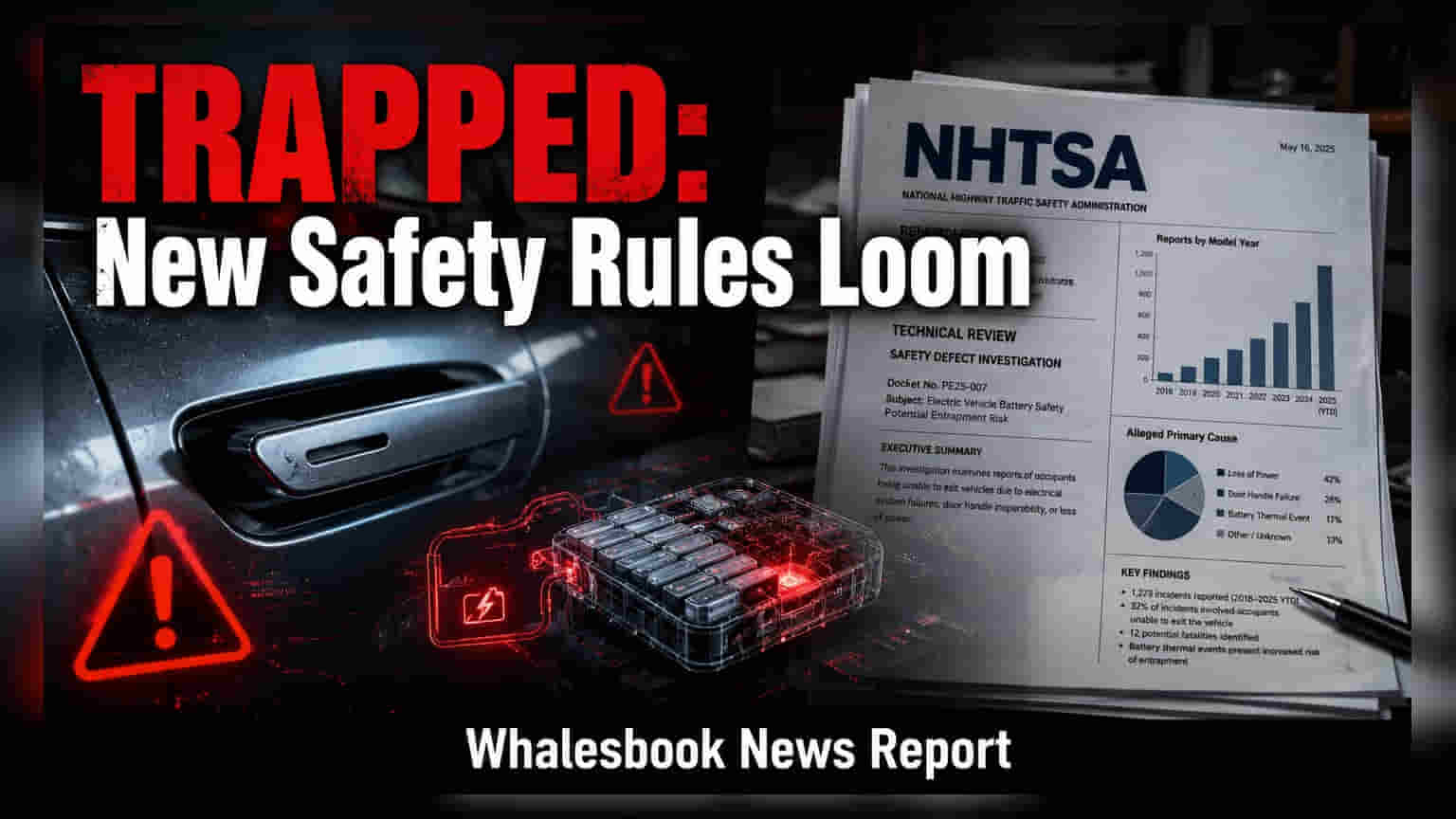
US auto safety regulators are launching a new rulemaking process to ensure vehicles can be exited safely during emergencies. This action follows concerns over electronic door handles in cars like those from Tesla, where occupants have struggled to open doors. The rules will apply broadly to help prevent issues where electronic systems fail to unlock during critical moments.
Detailed Coverage
The National Highway Traffic Safety Administration (NHTSA) in the United States has initiated a formal rulemaking process to set new safety standards for vehicle egress, or the ability of passengers to exit a vehicle during an emergency. This decision focuses on the design of flush, electronically operated door handles. While these handles are popular for their sleek look and aerodynamic benefits, regulators are concerned that their reliance on electronic systems can pose risks if the primary battery or power supply is compromised during an accident.
Moving Toward Industry-Wide Standards
Rather than launching a specific defect investigation into one manufacturer, the agency opted for a broader regulatory approach. This decision came after it reviewed a petition regarding the emergency mechanical release design in 2022 Tesla Model 3 vehicles. By pursuing rulemaking, the NHTSA aims to create consistent requirements for all automakers, ensuring that manual exit mechanisms are intuitive and reliable even when electronic locks are disabled. It is important to note that the initiation of a rulemaking process is a preliminary step and does not guarantee that final regulations will be implemented or how quickly they might take effect.
Historical Context and Safety Concerns
This regulatory focus follows previous scrutiny regarding door operations. Less than a year ago, the NHTSA began an investigation into Tesla door handles following multiple owner reports, including instances where occupants were trapped inside. The agency has noted that while vehicles are often equipped with interior manual releases, their effectiveness can be limited if the electronic system does not function as intended. Some investigations into post-crash incidents have highlighted that if the vehicle's battery system fails to provide sufficient voltage, occupants may face significant challenges in using the interior release mechanism.
Industry Adjustments to Design
Automakers are already responding to these evolving safety expectations. Tesla has previously indicated that it has been working on design improvements for its door handle systems. Similarly, other manufacturers are adjusting their interior layouts to enhance safety. For instance, Rivian has reported updates to its R2 SUV, where it has moved the manual release mechanism to a position designed to be more visible and easier for passengers to find in stressful situations. As the NHTSA continues its rulemaking process, investors and industry watchers will track the potential costs and design changes that major electric vehicle manufacturers may need to adopt to comply with these emerging safety benchmarks.