

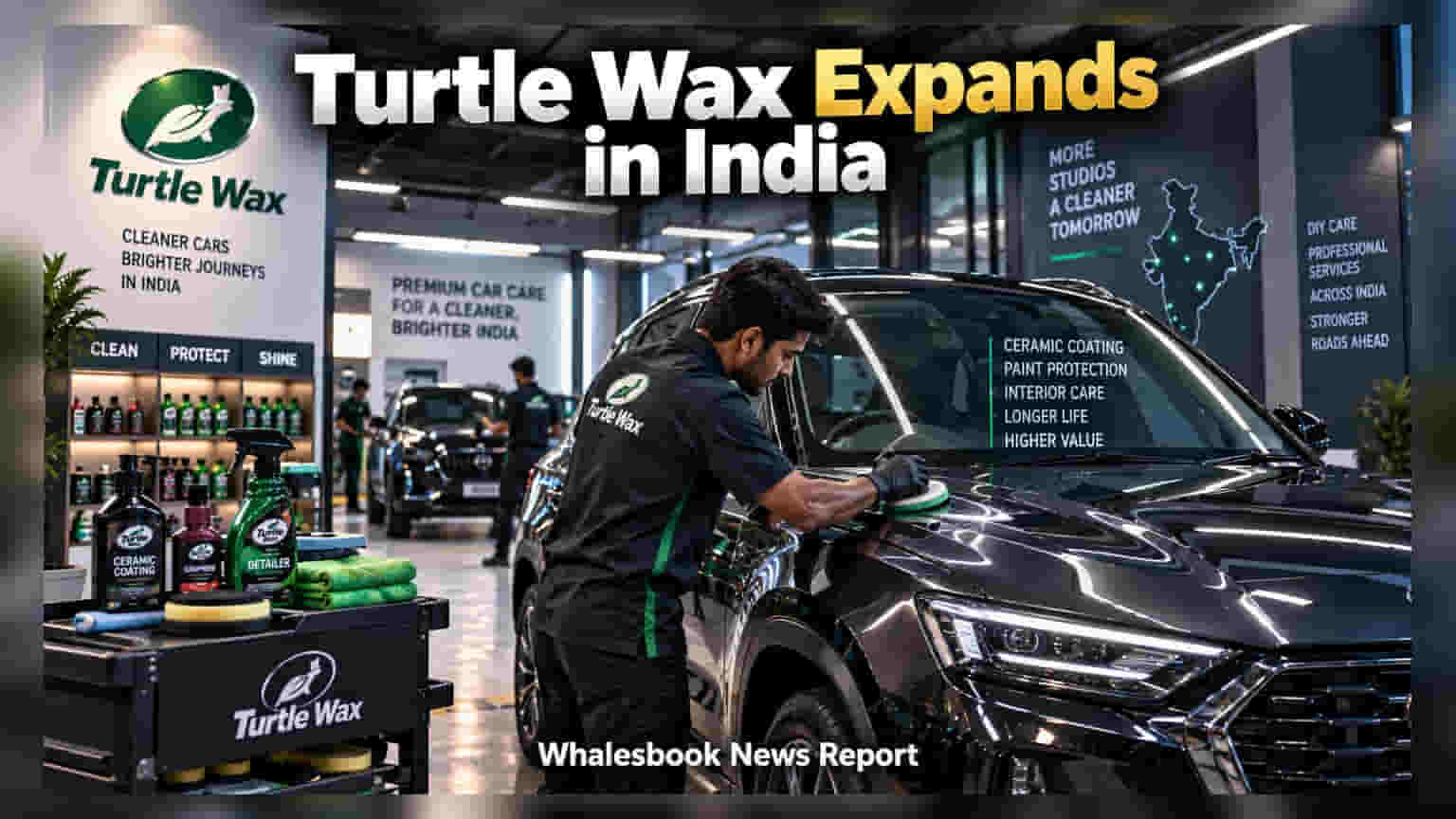
US-based Turtle Wax plans to add over 50 car care studios in India within a year, aiming to make the country its largest global market by 2031. The expansion highlights the rising demand for premium vehicle detailing services in India, offering insights into the growing organized car aftermarket sector.
Turtle Wax, the US-based car care product manufacturer, is significantly increasing its presence in India. The company currently operates 110 Car Care Studios across the country and aims to open more than 50 new locations in the next twelve months. This strategy is part of a longer-term goal to establish India as its largest global market by 2031.
To support this growth, the firm has shifted toward a localized manufacturing approach. By producing more products within India, the company aims to reduce its reliance on imports, which helps manage costs associated with tariffs and global supply chain disruptions. This localization is important for keeping premium products, such as ceramic and graphene coatings, affordable for the price-sensitive yet aspirational Indian consumer.
The company is targeting two types of customers: those who prefer to do the work themselves (DIY) and those who prefer professional services (Do-it-for-me or DIFM). The professional segment is served through the expanding network of Car Care Studios, while the DIY segment is supported by direct-to-consumer sales, boosted by increased digital and social media reach.
While Turtle Wax is a private entity and not listed on the Indian stock exchanges, its focus on the Indian market highlights a wider trend in the automotive aftermarket sector. India’s car care product market is valued at approximately $216.6 million for 2025 and is expected to grow at an annual rate of 4.8 percent through 2033. As car ownership increases and owners show greater interest in vehicle longevity and aesthetic maintenance, organized service chains are gaining importance over the traditional, fragmented workshop model.
For investors, the success of such models emphasizes the shift toward organized, branded services in the Indian auto-ancillary and car servicing space. However, this sector faces stiff competition from established local players and independent service providers who often compete on price. Companies in this space must also manage the costs of running physical centers while maintaining service quality.
Investors may monitor how quickly these new studios are rolled out and whether the company can sustain its growth in a highly competitive market. Future developments to track include the adoption rate of premium detailing services in smaller cities and the potential competitive response from other organized car care service chains in India.