

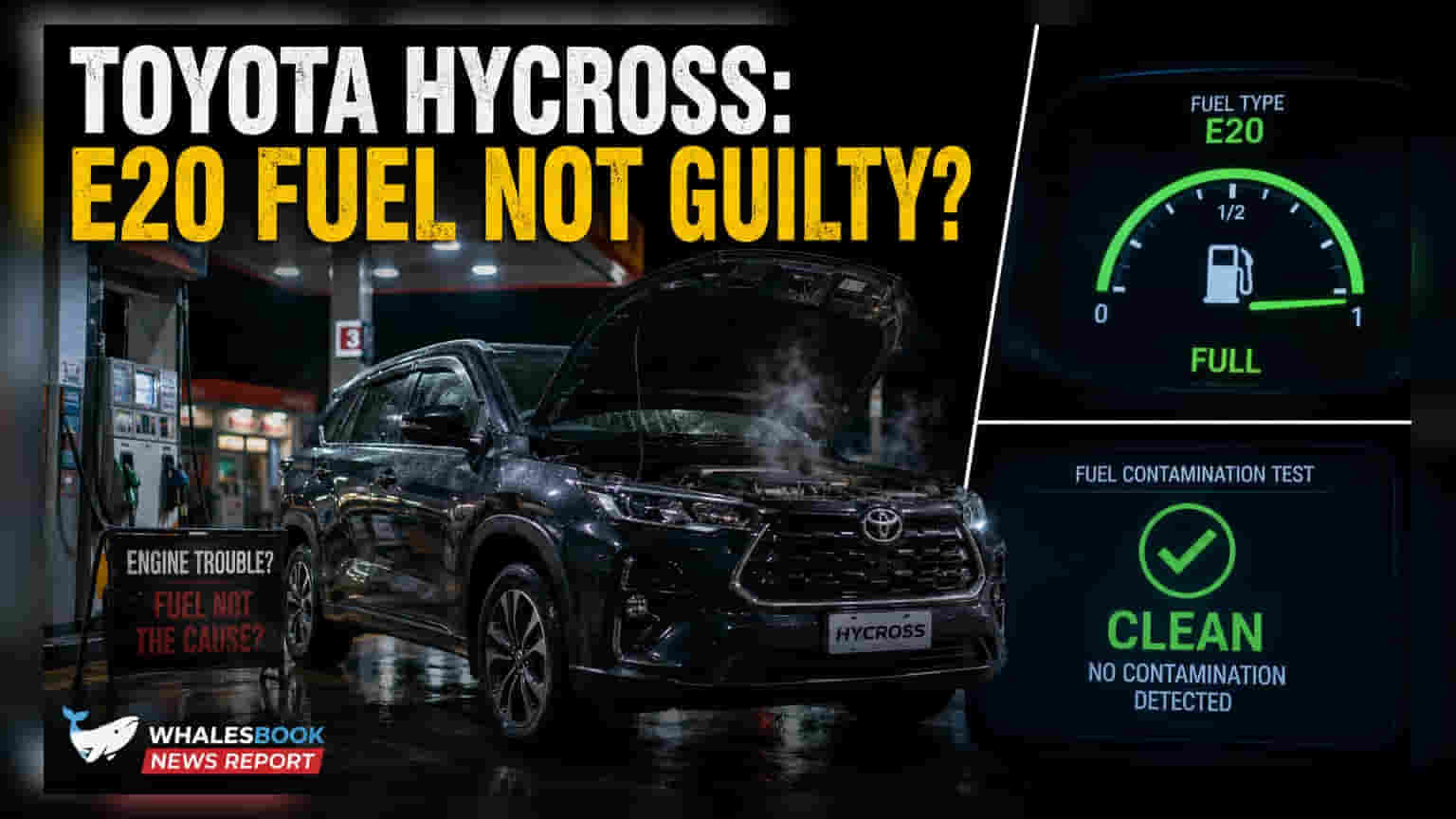
Toyota Kirloskar Motor has clarified that a recent malfunction in a Hycross vehicle was caused by contaminated fuel rather than E20 ethanol-blended petrol. The company confirmed its vehicles are fully certified for E20 use and that no component damage was found during inspection.
What Happened
Toyota Kirloskar Motor (TKM) has officially addressed reports concerning a malfunction in a Hycross vehicle. After a social media claim suggested that the use of E20 fuel—petrol blended with 20% ethanol—caused the vehicle to fail, the automaker conducted a technical inspection. The company concluded that the issue was not related to the E20 fuel blend itself but was instead caused by fuel contamination. TKM stated that the vehicle's fuel system remained undamaged throughout the incident.
Certification and Compatibility
To clear up concerns regarding ethanol-blended fuel, Toyota emphasized that the Hycross model is engineered, tested, and certified to operate on E20 fuel. As the Indian government continues to push for higher ethanol blending to reduce oil imports and emissions, auto manufacturers have been upgrading engines to support these fuels. This incident highlights the importance of fuel quality as the industry transitions to higher ethanol content.
Resolution and Maintenance
Following the inspection, Toyota technicians drained and cleaned the fuel tank and lines of the affected vehicle. After refilling the tank with standard E20 fuel, the company reported that the vehicle operated normally and was returned to the customer. This process indicates that the incident was an isolated mechanical issue rather than a systemic design flaw in the vehicle's fuel system.
Why Fuel Quality Matters
For vehicle owners, the distinction between engine compatibility and fuel purity is significant. While modern engines are calibrated for E20, their performance can still be affected by contaminants such as water, debris, or poor-quality additives present in the fuel at the time of purchase. Contaminated fuel can clog injectors or damage fuel pumps, regardless of the ethanol percentage. Toyota has advised customers to use only authorized and reputable fuel stations to avoid similar issues.
What Investors Should Track
For those following the automotive sector, this incident underscores the ongoing challenge of fuel infrastructure in India. As more vehicles are launched with E20 compatibility, investors should track whether automakers face increased warranty or service complaints related to fuel quality. The ability of manufacturers to quickly diagnose and resolve such issues without systemic recalls is a key monitorable for long-term brand trust and service efficiency. Investors may also observe if there are any regulatory updates regarding fuel quality standards as the government mandates higher ethanol blending across the country.