

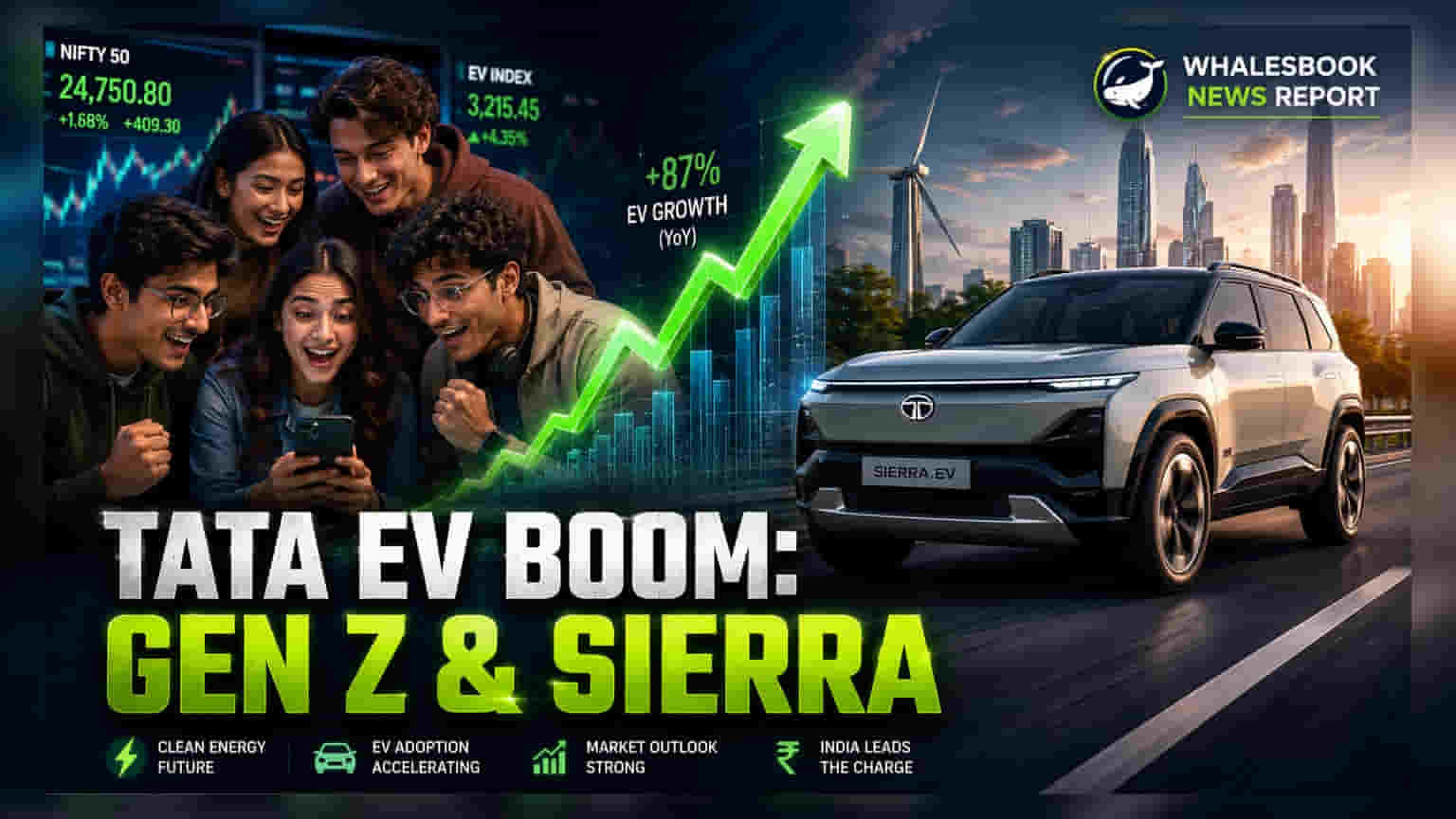
Tata Motors, which sold over 92,000 electric vehicles in FY26, is positioning the upcoming Sierra EV to capture the growing mid-SUV segment. The company aims to bridge the price gap with traditional fuel vehicles while targeting Gen Z buyers. This strategy is part of a broader goal to maintain leadership in the domestic EV space as consumer preferences shift toward modern technology and home-charging convenience.
Tata Motors Expands EV Portfolio for Mid-SUV Buyers
Following a record-breaking year in FY26 where electric vehicle (EV) sales crossed the 92,000-unit mark, Tata Motors is preparing to launch the Sierra EV to solidify its presence in the mid-SUV segment. This upcoming model aims to attract professional families and business owners in urban markets who prioritize both social status and vehicle functionality. With internal combustion engine (ICE) SUV market share in India projected to hit 60% by FY31, the company is banking on the Sierra EV to become a high-volume contributor to its portfolio.
Addressing Consumer Concerns on Value and Cost
A primary hurdle for EV adoption in India remains the uncertainty surrounding resale value. Tata Passenger Electric Mobility has indicated a strategic pivot in how customers should perceive these vehicles, comparing them to consumer electronics that offer high utility over their lifespan. To mitigate buyer concerns, the company is focusing on battery health programs and extended warranties, which are essential for building trust in the second-hand vehicle market. Tata is also advocating for policy support to improve financing options for used EVs, which could help lower the total cost of ownership for prospective buyers.
Strategic Shifts and Price Parity Goals
Geopolitical volatility in West Asia has indirectly supported EV interest, as rising concerns over fuel stability drive consumers toward home-charging alternatives. To capitalize on this, Tata is scaling its Battery-as-a-Service (BaaS) model—a financial arrangement that separates battery costs from the vehicle price to make EVs more affordable. Currently, Tata reports that the price gap between its automatic EVs and equivalent ICE automatic vehicles is approximately 20%. The company is working toward price parity in the premium and mid-SUV segments through models like the Harrier, Curvv, and the upcoming Sierra.
Targeting the Younger Demographic
Tata Motors is actively realigning its design and technology features to engage Gen Z buyers, a cohort whose representation in the automobile market is expected to reach 32% by 2030. By embedding advanced tech features and modern design into its upcoming lineup, the company hopes to secure early brand loyalty among this younger consumer base. As the company continues to spend on expanding its capacity and R&D, investors should monitor the successful commissioning of new production lines and the effective transition of the BaaS model across higher-end segments, which will be critical to maintaining profit margins amid competitive pricing strategies.