

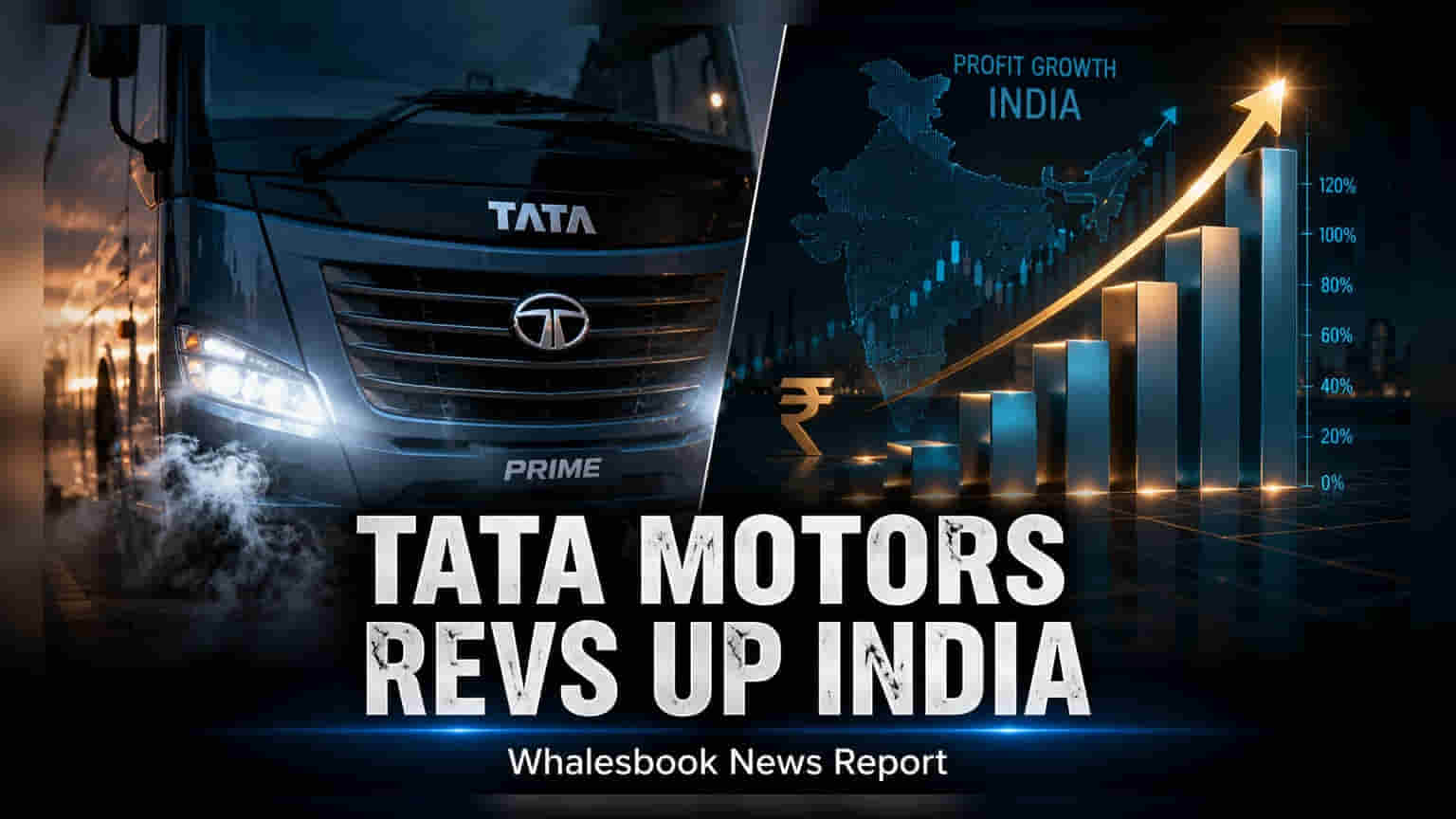
Tata Motors has launched its new generation Ultra Prime and Starbus Prime bus models in India to improve passenger comfort and operator efficiency. The company is simultaneously scaling its electric and CNG vehicle lineup to capture diverse transport segments. This expansion aims to strengthen its market position by leveraging an extensive nationwide service network.
Tata Motors has introduced its latest Ultra Prime and Starbus Prime bus ranges, marking a strategic effort to modernize its commercial passenger vehicle portfolio. These new models are designed with a focus on passenger safety, interior comfort, and fuel efficiency, targeting segments ranging from school and staff transport to intercity travel.
Diversifying the Powertrain Strategy
Beyond the new bus ranges, the company showcased a broad spectrum of mobility solutions to cater to changing transport needs. This includes a transition toward cleaner energy with models like the Ultra Skool 9/9 EV and Magic EV, alongside traditional powertrains like the LPO 1620 CNG. By offering both electric and CNG options, Tata Motors is attempting to provide cost-effective alternatives for operators facing rising fuel prices. This multi-fuel approach is consistent with the company's broader effort to lead the shift toward sustainable commercial transport in India.
Operational Support and Service Ecosystem
For commercial vehicle operators, the cost of ownership and vehicle uptime are critical factors. Tata Motors is supporting these new launches through its Sampoorna Seva 2.0, an integrated service platform that provides round-the-clock maintenance and parts support. The company currently manages an extensive network of over 4,600 sales and service touchpoints, which provides a significant infrastructure advantage over many smaller competitors. Additionally, the inclusion of digital fleet management tools allows operators to monitor vehicle performance in real time, which the company claims helps in reducing downtime and improving profit margins for transport businesses.
Sector Context and Investor Focus
The Indian commercial passenger vehicle sector remains competitive, with players like Ashok Leyland and Eicher Motors also vying for market share in the school and intercity bus segments. Tata Motors' focus on a comprehensive range—spanning last-mile connectivity to premium tourism coaches—is designed to defend its market share against these rivals. Investors may track how effectively the company converts these new product launches into sales volume, especially as the demand for electric public transport grows under various government initiatives. Key monitorables for the coming quarters will be the adoption rates of the new EV bus models, the impact of these launches on the company’s operating margins, and how the firm manages its capital spending as it scales its green mobility portfolio.