

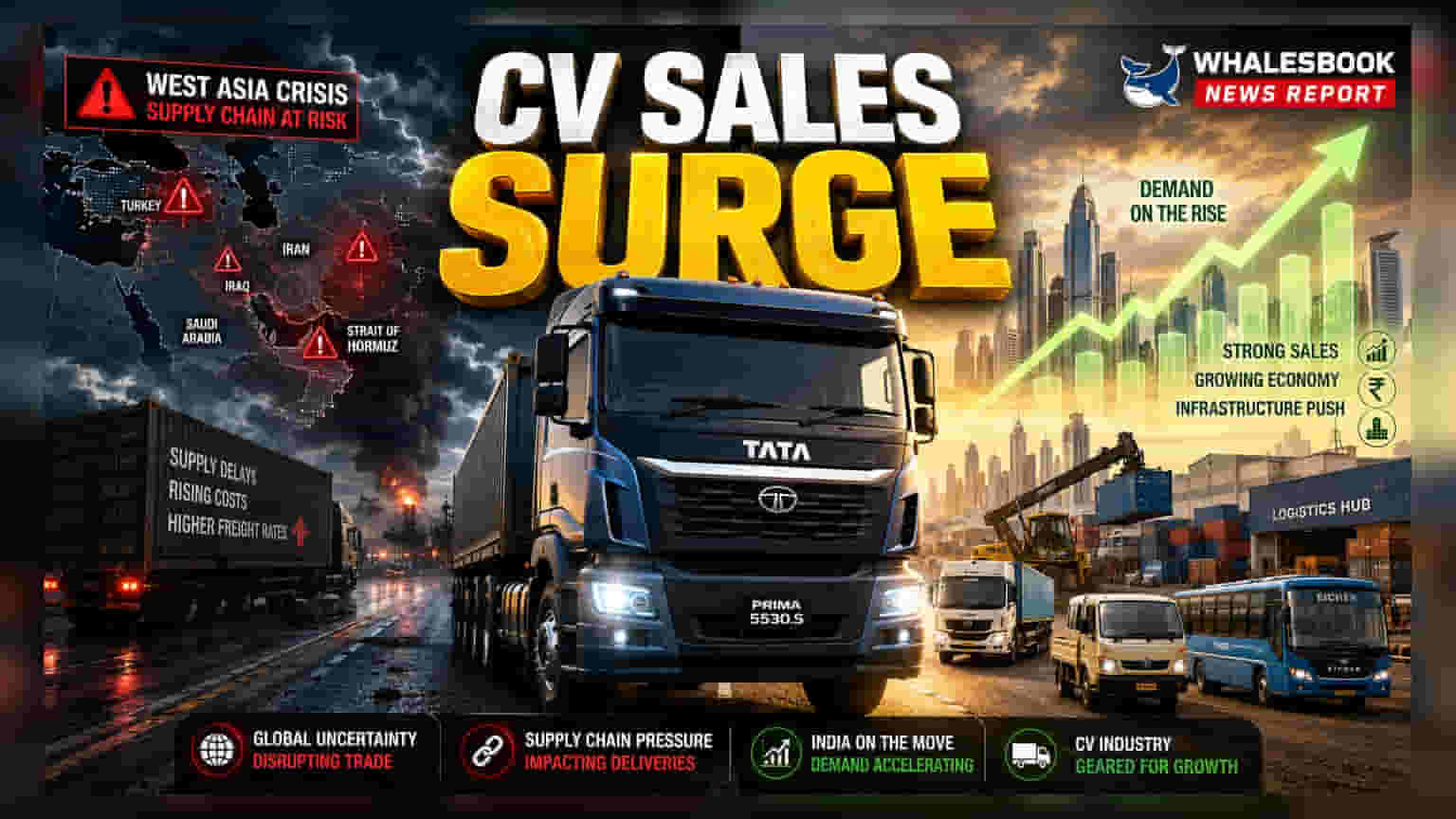
Indian commercial vehicle sales grew strongly in Q1 FY27, backed by infrastructure activity and e-commerce expansion. Tata Motors and Ashok Leyland led this trend with double-digit sales increases, successfully managing global economic uncertainties. Investors are now tracking if these volume gains will translate into better profit margins in the coming quarters.
What Happened
The Indian commercial vehicle (CV) industry started Fiscal Year 2027 on a strong note. Despite global economic uncertainty and fuel price volatility, domestic demand remained robust throughout the first quarter (April to June 2026). The sector saw healthy sales growth, primarily driven by steady freight movement across the country, ongoing infrastructure projects, and the expanding e-commerce sector. This data indicates that the domestic market is currently resilient enough to offset external pressures that typically threaten the auto sector.
The Drivers Of Demand
Several factors supported this demand in the first quarter. Increased activity in mining and infrastructure construction has created a steady need for heavy-duty trucks. Additionally, the agricultural sector has been a steady contributor, supporting rural demand. On the lighter side of the market, the rapid growth of e-commerce continues to fuel the need for smaller cargo-carrying vehicles for last-mile deliveries. These factors have combined to create a consistent flow of orders for manufacturers, even as global trade patterns faced some disruptions.
Performance Of Industry Leaders
Tata Motors and Ashok Leyland, which together control roughly three-fourths of the Indian commercial vehicle market, reported strong growth figures. Tata Motors recorded a 27% increase in sales compared to the same period last year. Its heavy commercial vehicle (HCV) division specifically saw growth of 22%. Ashok Leyland also performed well, with its heavy commercial vehicle sales rising 17% year-on-year. While Ashok Leyland saw a temporary dip in its bus segment, this was largely due to the irregular timing of large fleet orders from state transport authorities, which is common in the government business.
Margin And Financial Outlook
Financial analysts are looking closely at how this volume growth impacts the companies' bottom lines. When sales volumes rise, manufacturers often benefit from operating leverage, where fixed costs are spread over a higher number of vehicles, theoretically improving profit margins. After a period of margin pressure experienced between the second quarter of FY26 and the first quarter of FY27, the current environment of stabilizing commodity prices and fuel costs is expected to provide some relief, potentially allowing manufacturers to protect or improve their profitability.
Risks And Investor Monitorables
While the current outlook is positive, the sector remains sensitive to several risks. The commercial vehicle business is highly cyclical, meaning it relies heavily on the health of the broader economy. If infrastructure spending slows or if interest rates for financing trucks rise, demand could cool down quickly. Investors should continue to monitor three key factors: raw material price trends, which influence margins; interest rate decisions, as these affect the cost of buying vehicles; and monthly sales reports, which provide the most current pulse on demand. The ability of these companies to manage these costs while maintaining sales momentum will be the deciding factor for their financial performance in the coming quarters.