

TVS Motor Company emerged as the top two-wheeler manufacturer in August 2026, surpassing Hero MotoCorp in monthly dispatches. As the industry enters the peak festive season, firms are tightly managing inventory to balance strong wholesale numbers with uneven rural demand. Investors are focusing on how manufacturers handle regional inventory risks and potential inflationary pressures on rural buyers.
The competitive landscape for India’s two-wheeler manufacturers has shifted significantly as the industry prepares for the upcoming festive season. In August 2026, TVS Motor Company recorded the highest monthly dispatches, totaling 5,91,437 units. This move marks a notable change in volume leadership, pushing the company ahead of traditional market leaders during a period of high industry activity.
Meanwhile, Hero MotoCorp reported total dispatches of 5,68,398 units for August. While the company achieved a 2.65% year-on-year growth, its performance highlights distinct pressures in key segments. Data shows that Hero’s motorcycle dispatches saw a 1.5% decline, while exports faced a sharper downturn, dropping by 24.6%. This mix of performance across major players reflects a market that is increasingly sensitive to specific product segments and geographic performance.
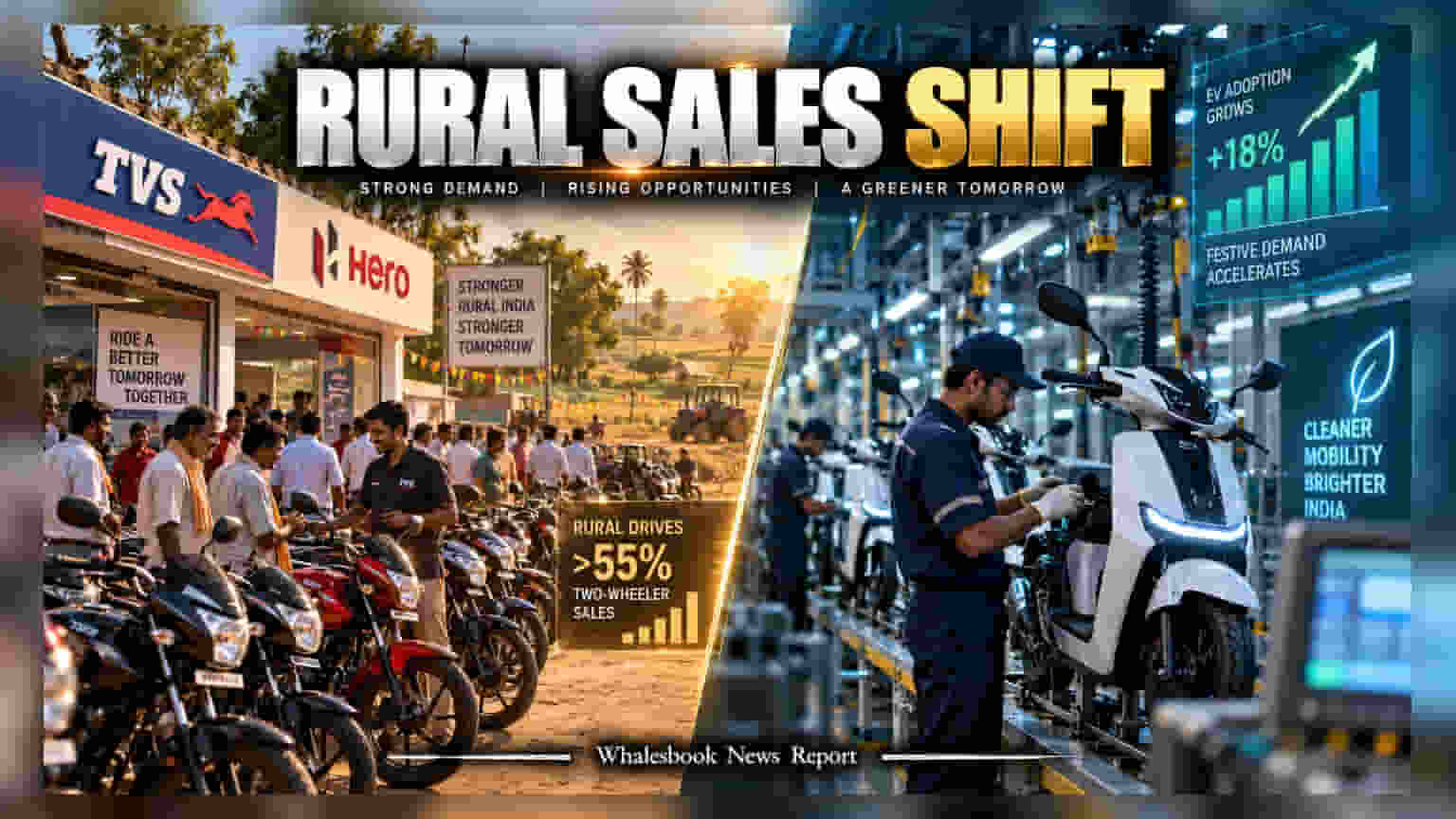
As manufacturers move into the festive quarter, the primary challenge is not just production volume, but inventory management. Industry-wide retail sales have shown resilience, with an estimated 18% to 20% year-on-year growth in August. However, maintaining the right stock levels at dealerships—particularly in rural markets that drive over 55% of total registrations—remains a complex task. If wholesale dispatches significantly outpace retail demand, companies risk carrying excess inventory, which can pressure working capital and profit margins.
This inventory challenge is compounded by macro-economic factors. Manufacturers are closely watching rural purchasing power, which remains vulnerable to risks like food inflation and inconsistent monsoon rainfall. These variables are particularly relevant for entry-level motorcycle segments, which depend heavily on agricultural income. Companies are now attempting to move away from aggregate national forecasting to more granular, hyper-local inventory planning to ensure they have the right models in the right regions.
The adoption of electric vehicles (EVs) adds another layer of precision required in the supply chain. While EV penetration is growing, it remains geographically concentrated in states like Maharashtra, Tamil Nadu, and Karnataka. Manufacturers must balance their shipments of traditional internal-combustion engines with these newer models to avoid overstocking in regions where EV infrastructure or demand may not yet match urban levels.
For investors, the next phase of performance will depend on whether companies can sustain their retail momentum while maintaining operational efficiency. The key monitorable in the coming months will be the quality of inventory at the dealer level. If retail growth stays strong through the festivals, it will validate the current dispatch strategies. Conversely, any buildup of unsold stock at the end of the festive cycle could signal margin pressure in subsequent quarters.