 Whalesbook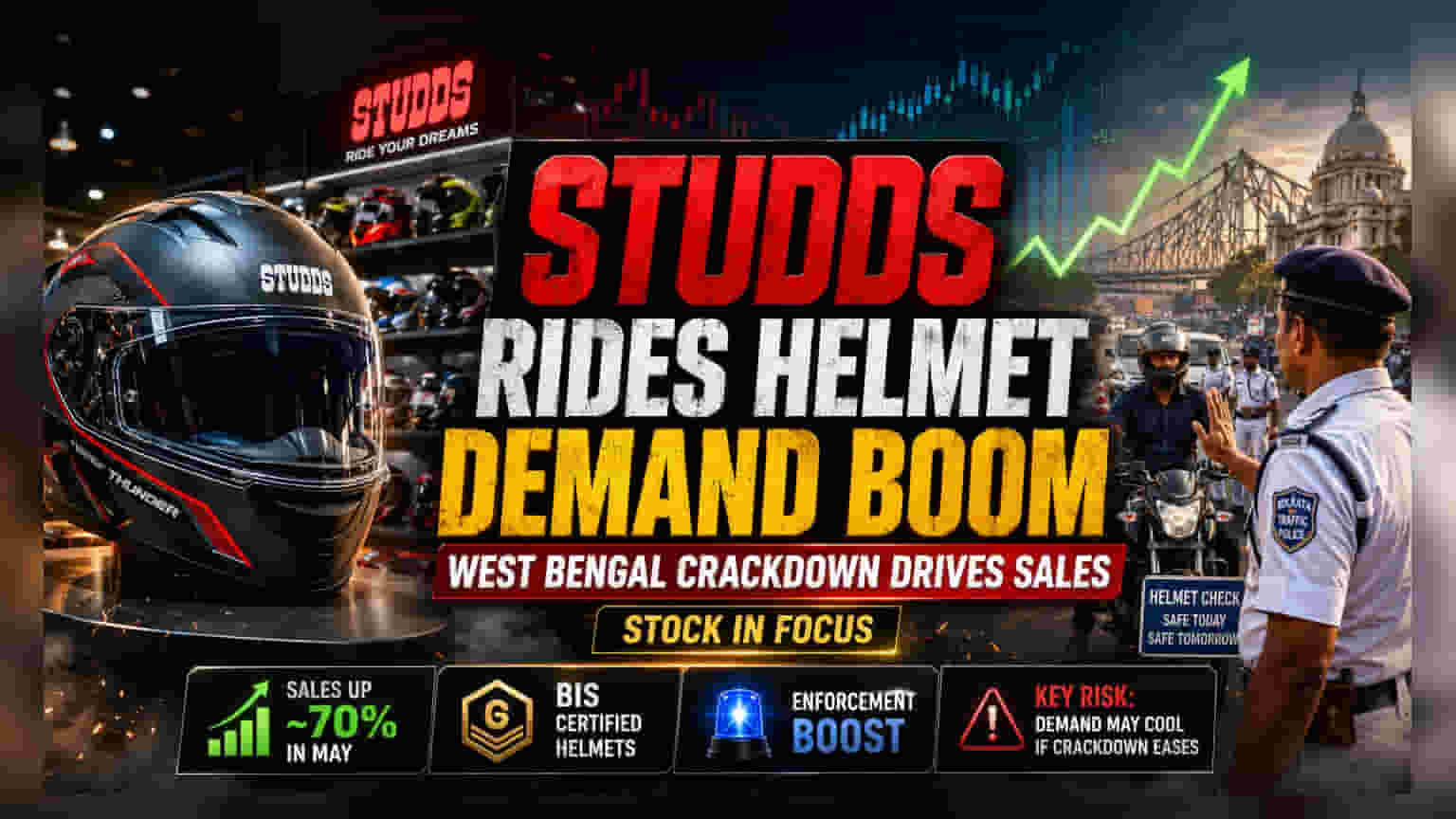


What Happened
Shares of Studds Accessories witnessed a strong rally in recent trading sessions, following reports of a significant spike in helmet demand across West Bengal. The surge in sales, which industry data estimates at approximately 70% in May, coincides with a intensified crackdown by local authorities on helmet-rule violations in the state. Traffic police in the region have ramped up prosecutions for riding without helmets, and this enforcement has directly translated into higher footfall at retail outlets selling branded, safety-certified gear.
Why This Matters for Investors
For investors, this news illustrates the impact of regulatory tailwinds on branded consumer goods. The helmet market in India has traditionally been fragmented, with a large share held by unorganized players selling low-cost, non-compliant products. Government initiatives, such as the mandatory BIS (Bureau of Indian Standards) certification, have been pushing the market toward organized players like Studds Accessories.
When state authorities enforce traffic safety rules, it forces consumers to purchase compliant helmets, creating an immediate, tangible boost for organized manufacturers. The fact that sales of children's helmets have also doubled suggests that safety awareness is deepening among families, potentially expanding the addressable market beyond individual two-wheeler riders.
The Shift in Market Demand
Historically, consumer behavior in price-sensitive markets like India has often favored cheaper, non-certified helmets. However, consistent police enforcement is acting as a catalyst to change this preference. Retailers in major cities like Kolkata, as well as Tier-II towns, have reported that the growth in sales is no longer just in premium segments but is spreading to broader, mid-range markets. This geographic spread into semi-urban and rural areas is a critical trend, as it expands the company's footprint beyond major metropolitan hubs.
Risks and Considerations
While the current sales momentum is positive, investors should be mindful of the nature of this demand. The primary driver here is regulatory enforcement, which can be cyclical.
One significant risk is that such demand spikes may depend on the consistency of police drives. If enforcement becomes lax over time, consumers may return to cheaper, uncertified alternatives, or delay replacement purchases. Additionally, the company faces competitive pressure from other organized players like Vega and numerous low-cost manufacturers. Maintaining profit margins while managing potential fluctuations in raw material costs—such as the price of high-grade plastics and specialized foams used in helmet manufacturing—remains a key operational challenge.
What Investors Should Track Next
Market participants will likely focus on whether this demand trend is a one-time event or if it signals a sustainable shift in consumer habits. Key monitorables for the coming quarters include whether similar strict enforcement policies are adopted by other state governments, which could act as a national growth driver. Furthermore, investors should watch for management commentary on volume growth in semi-urban markets and any updates on the company's ability to protect its profit margins amidst changing demand patterns and competitive pricing pressures.